
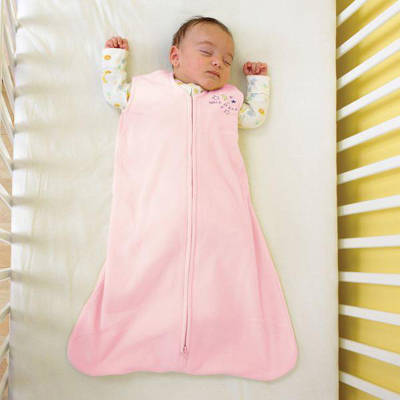
 October is SIDS Awareness Month in the U.S. and even if the Philippines is oceans apart from America, the issue of SIDS and the importance of safe sleep applies to everyone, no matter what country we’re from.
What is SIDS?
The Centers for Disease Control and Prevention in the U.S. define three different dangers that may cause the early deaths of young children:
“Sudden Unexpected Infant Death (SUID): The death of an infant that occurs suddenly and unexpectedly. After a case investigation, the cause of these deaths may be diagnosed as suffocation, asphyxia, entrapment, infection, ingestions, metabolic diseases, cardiac arrhythmias, trauma (accidental or non-accidental), or SIDS.
“Sudden Infant Death Syndrome (SIDS): The sudden death of an infant that cannot be explained after a thorough investigation is conducted, including a complete autopsy, examination of the death scene, and a review of the clinical history. SIDS is a type of SUID.
“Accidental Suffocation and Strangulation in Bed (ASSB) is also a type of sleep-related SUID. This includes infant deaths related to airway obstruction (asphyxia) in a sleeping environment caused by—
1. Suffocation by soft bedding — such as a pillow or waterbed mattress.
2. Overlay — another person overlaying or rolling on top of or against the infant.
3. Wedging or entrapment — wedging between two objects such as a mattress and a wall, bed frame, or furniture.
4. Strangulation — such as when an infant’s head and neck become caught between cribrailings.”
Related story: What is Sleep Regression?
The importance of safe sleep education
In the U.S. and other first-world countries, many families are benefiting from safe sleep education that is being pushed by the government. In fact, in the U.S., there are even laws that mandate their hospitals to educate new parents about safe sleep before they are discharged from the hospital. Sadly, here in the Philippines, there is still very little government support and a great lack of public education about safe sleep. Thus, safe sleep advocates hope to help increase Filipinos’ knowledge of SIDS prevention and safe sleep.
[previous|page|next]
How to reduce the risk of SIDS
Although no studies or research have proven the exact causes of SIDS yet, health care providers, researchers and safe sleep advocates such as Ives Lim-Esteban, the mompreneur behind Halo Philippines, suggest the following precautions to help reduce the risk of SIDS:
1. Place baby to sleep on his or her back at naptime and at night.
2. Make sure that your child’s crib or a play yard meets current safety standards (the site www.cpsc.gov has more details on this).
3. Make sure that you use a firm mattress that fits snugly and is covered with only a tight-fitting crib sheet.
4. Get rid of all soft bedding and toys from your baby’s sleep area (this includes loose blankets, bumpers, and pillows). The American Academy of Pediatrics recommends using a wearable blanket instead of loose blankets to keep your baby warm.
5. Breastfeed, if possible, but when finished, put your baby back to sleep in his or her separate safe sleep area alongside your bed. If your living situation does not allow for your baby to have a separate sleep area, remember to observe safe co-sleeping practices.
6. Never put your baby to sleep on any soft surface like adult beds, sofas, chairs, quilts, etc.
7. As much as possible, keep your baby’s room temperature cool at 20 to 22 degrees Celsius.
8. Do not dress your baby too warmly for sleep (or during any other time, for that matter, unless the environment calls for it).
9. Never smoke around your baby. Similarly, never expose your baby to second-hand smoke.
10. When your baby is awake, allow him to crawl around a safe place supervised to encourage the strengthening of his or her head and neck muscles.
When it comes to our children, we must do all that we can to spread the message of safety and good health — and that includes the message of safe sleep and SIDS awareness.
References:
http://www.cdc.gov/features/sidsawarenessmonth/
http://www.halophilippines.com
Image from Halo Philippines

Lorem ipsum dolor sit amet, consectetur adipisicing elit, sed do eiusmod
Lorem ipsum dolor sit amet, consectetur adipisicing elit, sed do eiusmod
