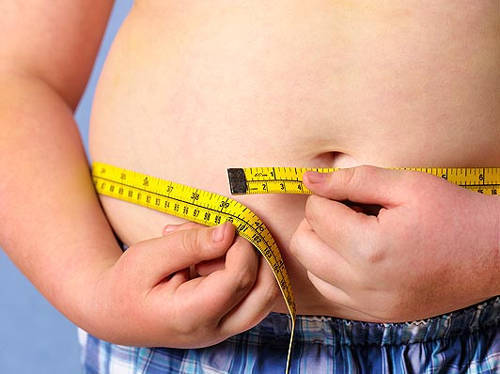
By 2030, the incidence of obesity will increase by over 300% (!) in developing countries because of our adoption of the West’s sedentary lifestyle and high-fat, high-carbohydrate diet, says an article published in the New England Journal of Medicine.
If you pause to think about it, you will realize that the population this study is referring to – the 2030 world population – is composed largely of the children of today. That’s our kids, at high risk for obesity.
So what, you may ask, is the big deal about obesity anyway?
Danger Ahead
A Harvard University study states that, next to tobacco, obesity is the top cause of death per year in the United States.
In other words, obesity kills. How?
1. Cancer.
In men, obesity increases the risk of colon and prostate cancer. In women, it increases the risk of cancer in the uterus, gall bladder, colon, and breast.
2. Diabetes.
Obesity is one of the biggest causes of type 2 diabetes. This disease, which used to appear only in adulthood, is now also often seen in children.
A person with uncontrolled diabetes faces a severely impeded lifestyle. If the diabetes remains uncontrolled, it eventually results in a severely shortened life span.
3. Heart disease.
Obese people are 10 times more prone to hardening of the arteries. They are also at higher risk for chest pain, heart attack, and stroke. All these can manifest even in early adulthood.
4. Respiratory problems.
The extra weight on the chest squeezes the lungs and causes difficulty in breathing – a potentially fatal condition when it occurs during sleep.
5. Psychosocial effects.
The fact is, obese people are still discriminated against, which can trigger or intensify depression. In worst case scenarios, this can lead to suicide. Others become targets of bullies, and in some cases, the bullying episodes become very violent.
Other effects of obesity include joint problems, metabolic syndrome, high blood pressure, abnormal menses, and infertility.
[previous|page|next]
Causes of Obesity
One way to see if your kids are at high risk for obesity is by looking at the risk factors around them. How many risk factors are present around your child?
1. Television.
The boob tube is practically an obesity factory, in so many ways.
First, when you’re watching television, you’re completely sedentary. Much of the time, even your mind is not working. You’re hardly burning any calories. Do that a few hours every day and it will be no surprise that you get fat.
Second, when we watch television, a lot of us like to eat at the same time. It’s not like using the computer, where you need to keep your fingers clean so you don’t end up with a sticky mouse and keyboard. With a television in front of you, it’s just too easy to keep shoveling food into your mouth. Before you know it, you’ve eaten far too much.
Third, there’s the TV commercials. All those yummy-looking (high-calorie) sandwiches can be yours if you just dial a certain five-digit number. Or how about all those refreshing (high-sugar) drinks – not only will they cool your body, they’ll also “bring excitement to your life!” After seeing all those food commercials on television, do you think your kids will want plain water with vegetables and rice for dinner? Don’t count on it.
2. Poor menu choices.
What do you have in your kitchen cupboards and refrigerator? Do you have fruits and veggies, low-fat milk, nuts, unsweetened cereal, and whole wheat bread? Or do you have cans of soda, bags of chips, hotdogs, ice cream, and sugar-coated corn flakes? What you have in your house is what your kids will eat when they are at home.
What about when they’re at school? It’s unrealistic to expect you to spy on what the school cafeteria serves. If that information is not provided to you by the school, play it safe by packing lunch for your kids and limiting their allowance so that, in case they do buy unhealthy food outside the house, they are at least limited by their budget.
(Related story: 5 Healthy Substitutes to Instant or Processed Food)
3. Activity-limiting environment.
It’s not just diet that causes obesity; it is also the lack of physical activity. And often, a child lacks exercise because the environment around the child discourages it. For instance, if you live in a house beside the highway, with no yard to speak of, you can’t really tell your child to play outside, can you?
We’re not saying you ought to move to another neighborhood (although if you’re still looking for a place to live, this should certainly be part of your list of considerations). What we’re saying is that you need to be aware of the reasons why your child is forced to be sedentary, then find creative ways to help your child be active, with the resources that you have. Find a nearby playground with good security. Buy a jump rope or a hula hoop for your child (id somebody say “Nintendo Wii”?).
(Related story: Your Child and the Benefits of Early Physical Fitness)
4. Disease and medication.
Some health disorders such as Cushing’s disease, or medications such as steroids, cause weight gain that can lead to obesity. If your child seems to be gaining weight uncontrollably, it is wise to consult a doctor to be sure that no drug or hidden illness is making your child obese.
5. Genes.
Certainly, genes play a role in increasing one’s risk for obesity. Of course, you cannot change your bloodlines – but if you know your child has a predisposition towards obesity because of his/her genes, you can be doubly vigilant about preventing obesity through lifestyle choices.
[previous|page|next]
Protect Your Child
Now that we know the risk factors, it is easier for us parents to protect our children from obesity and its adverse effects. Here are some ways to do that:
1. Breastfeed.
Obesity is very difficult to treat. Therefore, prevention is critical. And it is important to start as early as possible.
Give your child a head start against obesity by breastfeeding. Studies show that infants who have been breastfed for at least six months are up to 40% less likely to become obese. Infants that have been breastfed for any duration have at least 15% less chance for obesity compared to infants who were not breastfed at all.
2. Fill your kitchen with healthy food.
When the shelves are filled up with low-fat milk, fruits, and veggies, there will be less space for unhealthy sodas, donuts, and other fattening snacks.
Don’t forget to serve these healthy foods to your kids during mealtimes. And eat these healthy foods yourself! Remember, the best way to train your kids away from an obesity-prone lifestyle is through example.
3. Never use food as a reward.
Many people become obese because they associate food with comfort, so they eat every time they feel down in the dumps. Teach your children to comfort themselves by playing, exercising, or working in the garden, so they burn calories instead of load up on fat every time the blues come around.
4. Teach your kids to enjoy water.
In other words, keep them away from sweet drinks, not even fruit juices (teach them to eat their fruits instead). For optimum hydration and health, nothing is healthier and less fattening than water.
5. Give your kids time to play.
Don’t lock them in their room to do their homework all afternoon from Monday to Friday. Homework is important, but health is too. Give time for both. In any case, all that oxygen carried by the blood to the brain during active play helps put your child in a better mental state for studying.
(Related story: Study: Increased Physical Activity Improves Kids’ Grades)
6. Cut the TV time.
Since television is such a major factor in obesity, it would be great if you can remove it completely from your child’s activities. But if that is not feasible, at least limit the TV time to a maximum of two hours a day.
7. Get your child into sports.
Enrolling your child in a sports class forces your child to make time for physical activity. It also gives your child access to a place to play, if you live in an area where open spaces are limited. Third, it puts your child in close contact with people who are conscious about their physical health, so he or she can imbibe a healthy lifestyle through example (in addition to your own good example, of course).
(Related story: SP’s Summer Classes and Activities Directory for 2013)
Preventing obesity in our children is not easy – not by a long shot. It entails changes in our own lifestyle. It takes time, effort, and even money.
But if you consider the danger that you are protecting your child from, you will realize that the investment you make is well worth it. Remember: obesity kills. How much is too much when you’re protecting your child from a killer?
References:
“How to Prevent Obesity.” Stanford Hospital & Clinics. Accessed on March 12, 2013.
“The Obesity Prevention Source.” Harvard School of Public Health. Accessed on March 12, 2013.
Rogelio V. Tangco, MD. “Obesity and a Culture of Excess,” Philippine Association for the Study of Overweight and Obesity. Accessed on March 12, 2013.
Image from northtexaskids.com

Lorem ipsum dolor sit amet, consectetur adipisicing elit, sed do eiusmod
Lorem ipsum dolor sit amet, consectetur adipisicing elit, sed do eiusmod