
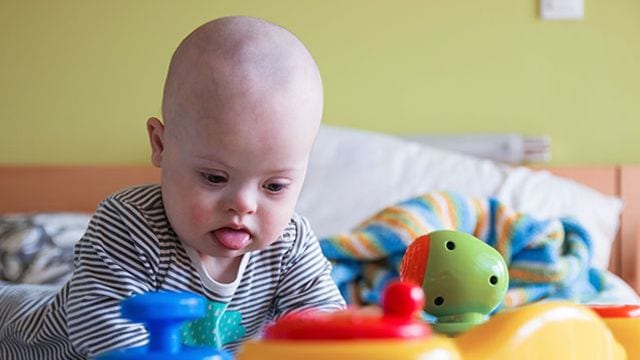
February is all about awareness of one of the most common developmental conditions that children in the Philippines face: Down Syndrome, also known as Trisomy 21 or DS.
Former president Gloria Macapagal-Arroyo signed this as Proclamation No. 157, also known as the “National Down Syndrome Consciousness Month.” Get to know what this proclamation is about and how it can help individuals with DS.
READ: Andrea Torres Is A Loving Ate To Brother With Down Syndrome And Autism
What is National DS Awareness Month: A Breakdown of the Law
Scope
Proclamation No. 157 requires the state to give utmost priority to the “underprivileged sick, elderly, disabled, women and children” as stated in Article XIII, Section ii of the Philippine Constitution.
Why It Matters
It’s important for three reasons: awareness about the condition, protection of children with DS, and the education of everyone, especially those who are not aware of the condition.
When it comes to awareness, the proclamation recognizes that children with this medical condition should have access to special care. This is not only limited to medications but also to the facilities that can help them become as independent as possible. At the same time, this special care should help them smoothly integrate into the social scene without discrimination.
Next to awareness is the education of the public regarding Down Syndrome. It helps remove the stigma of the condition being “contagious” or that children with this condition are bound to be fully dependent on their caregivers even as they transition through adulthood. Once the public gets clarity about this condition, it’s easier for acceptance to take place.
This leads to the next purpose of the Presidential Proclamation… When people are aware of Down Syndrome and they know more than what this condition is, there’s a better chance that children with DS will have better protection against violence, abuse, and public indifference.
As a result, acceptance and not just tolerance of the children, can help improve their overall experience “in the outside world.”
Goal
Given the premises above, our main goal should be to shower the children with DS with much-needed attention and love as they grow and get “introduced to society."
READ ALSO: 7 Remarkable People with Down Syndrome We Admire
How to “Celebrate” This Occasion Even After February
Stand up for their rights.
Aside from providing children with DS the support, attention, and education that they need, it’s also important to be their advocate. Everyone should become part of their support system, uplift their voices, and protect their rights.
Improve your awareness regarding their needs.
Families need to be assured that their children can get the right medical care and treatment as well as the access to education and social programs that will help them throughout their lifetime.
Make use of technology.
In this digital age, technology can be a great way to help people with DS. We can use tools like apps and online courses to teach them the life skills they need. We can also use social media and the internet to raise awareness and promote inclusion.
Lobby and support special advocacy groups.
Various organizations are doing their part in helping people with DS have a better quality of life. Government and non-government agencies, as well as advocacy groups, need more support in advocating for their rights and helping them find gainful employment.
Spread the word.
Share the knowledge and help spread it. Educate others about the condition and talk about it more. Encourage and inspire families and individuals with DS to live and celebrate life to the fullest.
National DS Awareness Month is a call to action for the public to help children with Down Syndrome and their families. This proclamation is a way to recognize and help the individuals with this condition and to remove the stigma attached to it. Let’s ensure that the said proclamation can be felt and acknowledged even after February by standing up for their rights, sharing and spreading awareness, ensuring proper care and provisions, and coming up with activities to help them catch up with developmental delays.
Together, let's make sure that their rights and needs are met and their lives are celebrated and respected.
What other parents are reading

Lorem ipsum dolor sit amet, consectetur adipisicing elit, sed do eiusmod
Lorem ipsum dolor sit amet, consectetur adipisicing elit, sed do eiusmod
