“I realized there could be a generation na baka hindi na talaga marunong mag-Tagalog, nakakalungkot,” says Joei Revilleza, author of the book How To Teach Tagalog To English-Speaking Kids.
In an interview with Smart Parenting, Joei, homeschooling mom to two daughters, said, “Initially the inspiration for the book are my friends abroad. Because their kids are growing up in a different country, their first language is English. They are having a hard time teaching Tagalog to their kids.”
Later, she realized that teaching Tagalog to English-speaking kids is not only a struggle for families abroad but also a challenge for families in the Philippines. Joei experienced this with her two daughters as well. “Even if I’m a Filipino/Tagalog as a Second Language language teacher, I still missed golden opportunities to teach my kids our native language,” she shared.
“But it’s not too late,” Joei added. “Even if you didn’t teach Tagalog early, or already introduced English as your kid’s first language, its’ okay and it’s not too late.”
“How To Teach Tagalog To English-Speaking Kids”
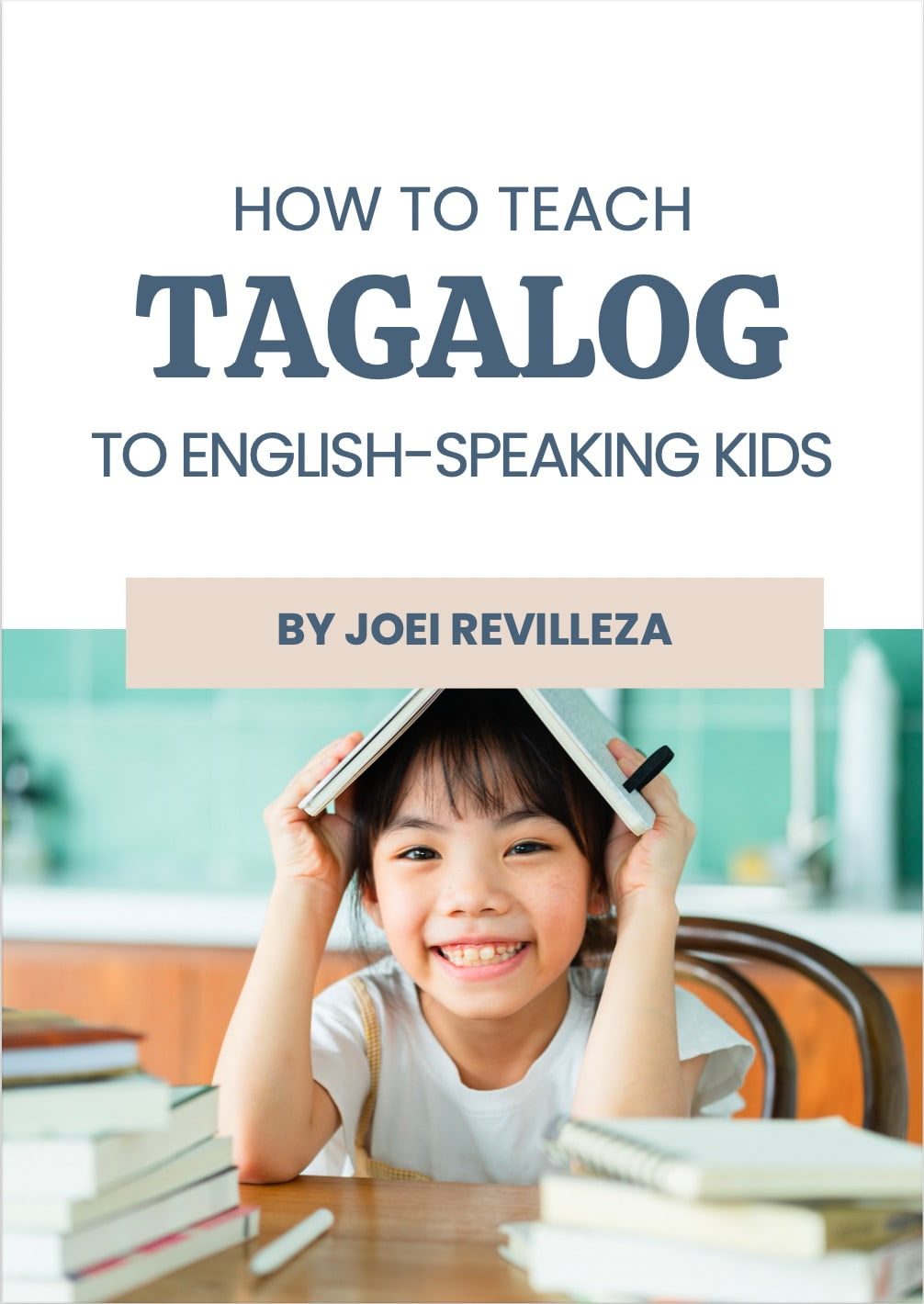
“It is a parent’s guide,” Joei described her book. Aside from Joei’s friends and batchmates who shared their struggles with teaching Tagalog, she realized that the world we know from childhood is different from the world our kids live in now. Teaching Tagalog is more than just knowing simple translations; it’s about understanding the kid’s language journey.
“It’s okay to teach English as our child’s first language,” Joei continued. “Since most of the subjects are in English, as well as other educational resources, I think knowing English is an advantage.” Kids today are exposed to English TV shows, commands in mobile gadgets, and so on. The world our kids live in is already immersed in the English language.
“Our generation (millennials) are what we call in Linguistics ‘sequential bilinguals,’ we learned two languages from the get-go - Tagalog and English. But for our kids now, it’s not the same anymore,” she further explained.
How To Teach Tagalog To English-Speaking Kids includes expert advice from linguists and language educators, life-giving activities, interactive ways to get kids’ attention, and practical tips to make the learning journey fulfilling for parents and children. It is also designed to fit well into parents’ and kids’ schedules, so learning won’t be overwhelming. Another special feature of the book is its Exclusive Level Assessment, a personalized guide to help navigate the Tagalog learning journey. This assessment gives parents a clear understanding of their child’s current language skills. Whether kids are just starting out or already advanced, the book is designed to cater to each pace and level.
Reason Beyond Academics
Joei understands the need to learn Tagalog for academic reasons. But more than that, she experienced the struggle of teaching her English-speaking daughters Tagalog.
“Kids should have a reason beyond academics,” Joei shared. The child’s Tagalog learning journey should not be motivated by merely understanding a Filipino subject, or fulfilling school requirements. “The journey should be inspiring for the kids. Parents should teach the kids to enjoy Tagalog, and the Filipino culture as well. Hindi lang siya language.”
“We should teach our kids, ‘Why do I have to do that?’, and we can only do it by also immersing them with their Filipino roots,” she added.
Coming from her own experience, Joei learned the hard way about the consequences of a language barrier. “Ilonggo ang Dad ko but we grew up in Manila. Hindi ako natuto mag-Ilonggo, so I can’t really connect to my Lola na hindi masyadong marunong mag-Tagalog. She passed away and I realized the heavy effect of a language barrier. I saw the possibility of this happening to my kids,” she shared.
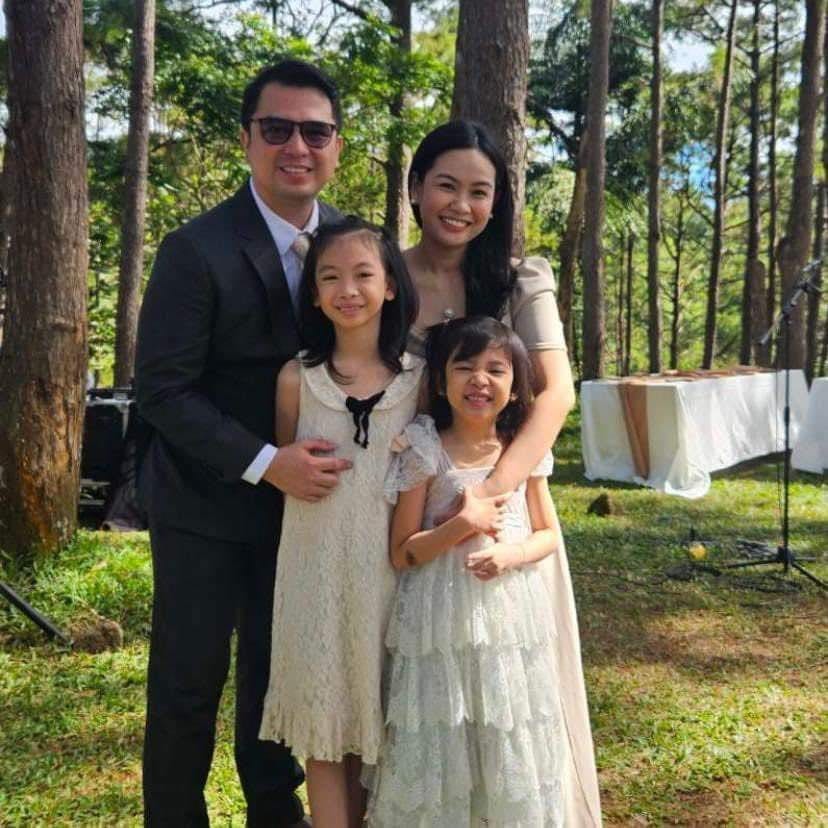
“With my first daughter, I was really an anxious mom. I read and devoured most parenting books trying to get everything right. May isa kong nakuha sa isang book, ‘How to Talk so Kids will Listen & Listen so Kids will Talk.' That’s how I talked to my daughter, using English phrases. Even if Tagalog kami mag-usap ng asawa ko, I talked to her in those English phrases,” she recalled.
“When she was 5 years old, I realized na hindi niya maintindihan ang simple conversations naming mag-asawa. Nagkukwentuhan kami about our childhood, pero hindi naiintindihan ng anak namin. Noon ko naisip na hindi ito pwede, una, nasa Pilipinas tayo. Pangalawa, she also need to learn who we are, our Filipino roots,” Joei added. Naturally, her second daughter also learned English as her first language.
Joei also recalled receiving comments such as “Anjan na yung inglisera,” from neighbors. Relatives would shy away from her kids once they knew they were English-speaking, “Lumalayo yung mga pinsan, ayaw makipag-laro dahil hindi magkaintindihan,” she shared. These further motivated Joei to teach her kids Tagalog and the Filipino culture.
How to Start your Child’s Tagalog Journey
Joei’s first reminder in starting a child’s Tagalog learning journey is, “Make it memorable and meaningful. Take off the pressure from the kids.”
She also emphasized that speaking Tagalog is not the only success in this journey, “There are different levels of learning Tagalog. For my eldest child who is 10 years old, she can understand and comprehend but she’s still not confident in conversing. Children will have different learning paces and that’s okay. Comprehension and understanding without speaking is okay.”
She shared some practical tips for teaching Tagalog: “Start with the smallest things. Example, when outside, start to point out things, ‘Jeepney iyon,’ ‘Blue ito,’. Start with ‘Ito, iyon, iyan.’ Eventually move to pictures, ‘Si Daddy ito, si mommy iyon,” Then gradually move to ‘Ako, ikaw, tayo.’ We need to understand that kids learning Tagalog is like us learning a different language, such as Korean or Japanese. It’s really hard at first.”
“Be gentle with them,” Joei emphasized. “If we are not gentle, they might shy away and label Tagalog as ‘difficult’. Use things that they want to get their interest. Teaching ‘ito, iyon, iyan’ will make them move and point, so they like that.”
“Taglish is okay, too. For some kasi they label Taglish as not helpful. But it’s a bridge that can help them,” she added.
She also reminds parents that exposure is not enough, “Some think that exposing kids to other Tagalog-speaking kids will do the trick, but sometimes it’s not. We have to be intentional with them and in teaching them. We call it Intentional Immersion. Talk to them in Tagalog, use the language at home. Show them how to appreciate Filipino culture in general such as Filipino food, Filipino heroes, and all.”
One of Joei’s favorite activities from her book is the “Family Interview Project.” After learning Tagalog and Filipino culture, kids will be tasked to interview a family member or relative. The interview’s goal is to know them more, understand their story and roots, and converse well in Tagalog. It’s like a culminating activity for what Joei wants to achieve - teaching Tagalog and knowing Filipino roots.
How To Teach Tagalog To English-Speaking Kids is available for purchase in EBook form. Joei also wrote other books Living Filipino and 5 Mistakes Parents Make When Teaching Tagalog (And How to Avoid Them).
Joei has extensive professional experience in Linguistics, from teaching Tagalog to English-speaking students, both Filipino and foreign, to working as a translator. She earned her BA Linguistics from the University of the Philippines Diliman and her Masters Degree in Language and Literacy Education from UP Open University. She is a homeschooling mom to her two daughters and teaches other moms how to homeschool through Teacher Mom Academy PH.
Read here for more tips in raising a bilingual child.
What other parents are reading

Lorem ipsum dolor sit amet, consectetur adipisicing elit, sed do eiusmod
Lorem ipsum dolor sit amet, consectetur adipisicing elit, sed do eiusmod