One Day at a Time: Life with a Child Who Has Cerebral Palsy

by Em Cruz
Published on Jun 14, 2025
“Noong una, nagpre-prepare lang kami to raise our child.”
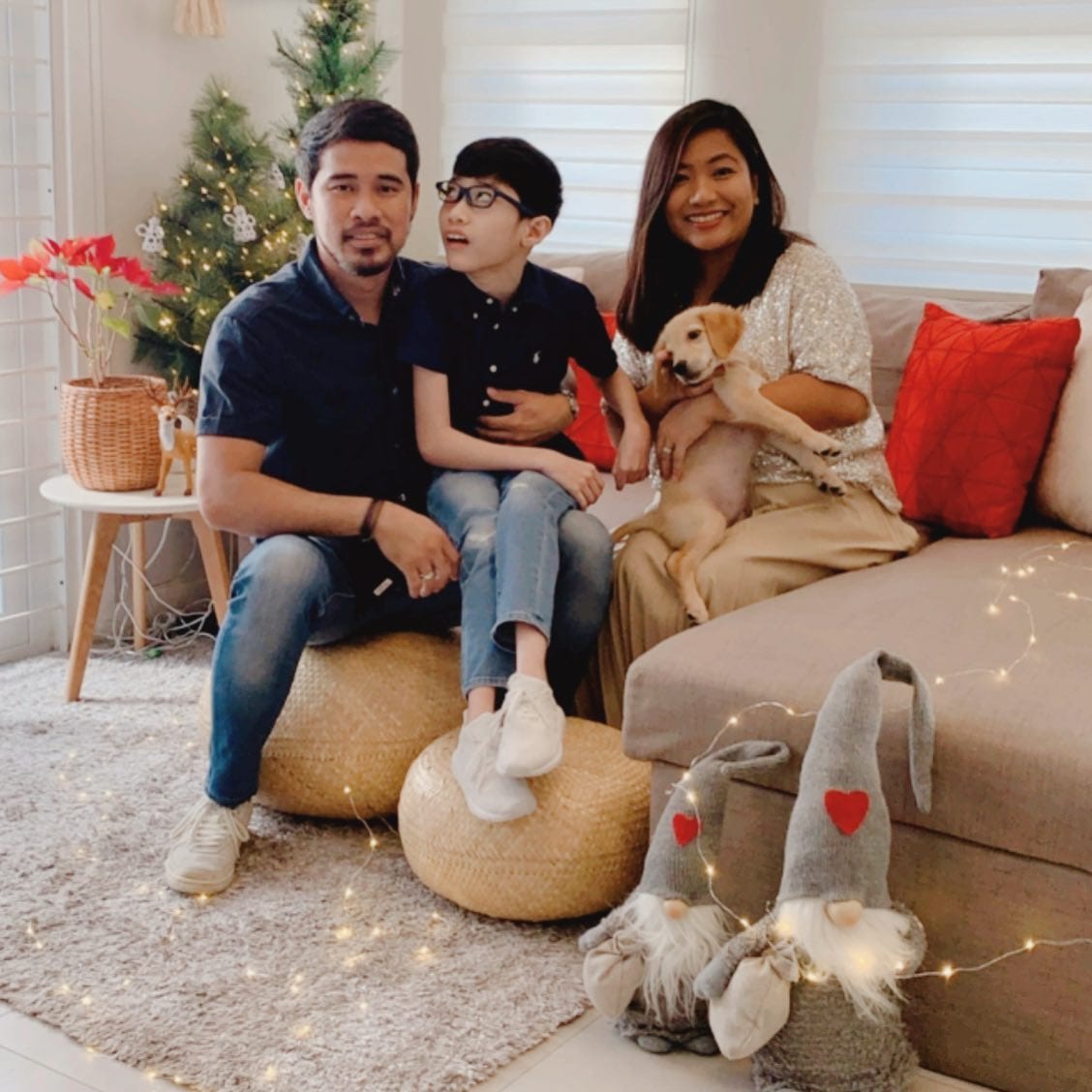
Like many young, first-time parents, Teddy and Dee Garcia remember feeling excited and hopeful as they awaited the arrival of their first child. But things took a different path. Before their son Elijah turned one, he was diagnosed with cerebral palsy.
According to the Cleveland Clinic, cerebral palsy is a neurological condition affecting muscle tone, posture, and movement caused by brain damage during fetal development or early infancy. In the Philippines, about 2 in every 1,000 live births are affected, with approximately 40,000 individuals living with the condition.
Seventeen years later, Teddy and Dee are still learning but also thriving.
“Isa siyang miracle baby”
“Isa siyang miracle baby,” Teddy and Dee told Smart Parenting. “Elijah stayed in the NICU for three months kasi nagkaroon ng complications at birth.”
They were warned of possible complications early on. “The infection got into his brain, so may epekto talaga yun sa kanya. So we were kind of expecting it, pero hindi namin alam that time how it would manifest, kung ano yung magiging condition niya.”
Signs appeared before Elijah turned one. “We noticed meron siyang uncoordinated arm movements. Then, hindi siya nag-dedevelop as we had hoped,” they said. “Hindi siya nag-reach for his toys. He cannot support himself while sitting. Hindi niya na-reach ibang milestones in his first year. So that’s when we decided to have him checked.”
They also recalled his early seizures. “When he was six months old, may seizure episodes na pala siya. At first, akala namin kung ano lang. Tapos dumadalas and mas halata na. Parang may movements siya na paulit-ulit, nagse-seizure na pala siya that time.”
“He was diagnosed when he was eight months old. We were devastated. Kasi syempre, we didn’t know how to deal with or navigate it, and we were very young,” Dee said.
“Hindi kami familiar with the condition. Hindi namin alam what to do,” the couple further shared. “What would life be like for him? What would our life be? How can we raise him properly with his condition?”
“Yung fact na first time magka-anak, first time na magka-apo ng parents namin, syempre challenging na with a normal child. Parang doble pa yung challenge kapag meron kang anak na katulad ni Elijah.”
My Child Has Hydrocephalus, Cerebral Palsy, and Global Development Delay: How It Happened
Read hereFocusing on what he can do
Teddy and Dee didn’t linger in despair. “When we learned that he had cerebral palsy, parang andun na kami agad sa acceptance stage,” Dee said. “There was no point in feeling remorseful or resentful kasi we felt we have to learn na agad to live with it. There’s no cure for cerebral palsy. You just have to live with it and learn how to improve yung life ng anak mo.”
They shifted their focus: “Kailangan namin isipin ano yung mga kayang gawin at ma-experience ni Elijah.”
The Garcias found their silver lining to the pandemic. Pre-COVID, Elijah stayed with Dee’s sister and a caregiver while Teddy and Dee worked. Working from home allowed them more time with him. “Working from home, yun yung talagang nag-spend kami ng time with him kasi nasa bahay kami lahat. Nag-iba routine namin,” Teddy said.
Today, mornings are their sacred time. “Kami ni Elijah, talagang nagbe-breakfast kami together, kakain kami ng rice,” Teddy said. “Yun 'yung naging time namin ni Elijah na mag-kwentuhan.”
Dee added, “After breakfast naman is his morning routine—we watch videos, listen to music, I read books to him. Ang favorite part niya is music. He really, really loves music, and it played a big role in his development and growth. Parang 'yun yung naging way para matuto siya mag-salita, mag-bilang. Marami siyang natutunan because of music.”
“Malaking bagay ang routine for Elijah para he knows ano yung gagawin niya after,” the couple said. “After his morning routine, mag-nap siya, then lunch, play, activity, or YouTube time with his caregiver. Then meryenda, dinner, and bedtime.”
“When we go to therapy, we feel kind of normal”
Elijah goes to a specialized therapy center in Ortigas. Dee accompanies Elijah to a Bobath therapy center weekly. The Bobath approach, also known as neurodevelopmental treatment (NDT), is a rehabilitation method used to improve movement and motor control in individuals with neurological conditions like stroke, cerebral palsy, and brain injury. The approach focuses on facilitating normal movement and minimizing abnormal movements to enhance function and participation in daily activities.
“Specialized 'yung approach nila,” Dee explained. “Mga motor movements talaga yung focus nila. Meron din physical therapists and occupational therapists. Ang goal nila is to help them with movement. Kasi ang main concern with cerebral palsy, yung uncontrolled movements. Limited din yung function. So the center specializes in muscle tone and movement. Meron silang different hands-on approach in positioning the body para to make the brain realize na ganito siya dapat. Ang goal nila is for the kids to sit unsupported, kung hindi nakaka-upo, or to walk with support, kung hindi nakakalakad.”
The therapy center became more than just a place for physical progress—it became a community. “Marami kaming na-meet na kids with the same condition and their parents. Habang nagti-therapy yung kids, yung mga moms and caregivers exchange stories and experiences,” she said.
“When we go to therapy, we feel kind of normal, na we’re not alone. Kasi, we share the same stories, the same experiences. And we share tips and resources din, napaka-importante. Like sinong doctor sa ganito? Or yung mga gamit na kailangan nila to support them, like wheelchairs or strollers na minsan mahirap hanapin,” Dee explained.
“It’s also reassuring for us parents to see other kids with the same condition. Like si Elijah, siya yung mas verbal ng konti doon, so kapag nag-greet siya ng ‘Good morning,’ sasabihin ng ibang parents, ‘Buti pa siya nakakapagsalita.’ Kami din naman, when we see other kids, we also say, ‘Ang galing niya nakaka-walk o nakaka-sit na siya.’ It’s very reassuring for us parents to see yung development ng kids namin and other kids as well, kasi nakikita mo na kanya-kanya sila ng nagagawa” she said.
“May hope ako na, okay kaya din gawin ni Elijah yan, or si other kid, kaya din niya gawin yung nagagawa ni Elijah ngayon. It’s a good community to belong in,” Dee emphasized.

Saab Magalona Doesn’t 'Need Your Pity' Because Her Son Has Special Needs, 'He's Our Pride And Joy'
Read here“It takes a village—and we’re lucky to have a big one”
Elijah’s extended family plays a huge role. “Swerte namin sa family. It takes a village to raise a child, and we’re so blessed to have a very big village and support system,” Dee said.
Their extended family is familiar and sensitive to Elijah’s needs, “Priority si Elijah, kaya mas madali din sa amin kapag kasama sila.” Even Elijah’s younger cousins are sensitive to his needs, “Elijah is sensitive sa sounds, hindi niya kaya yung sobrang maingay, iiyak talaga siya. Alam na yun ng mga cousins niya, so if malapit sila to him, they modulate their voices and even their activities or games.”
“Sa mga bata sa family, na-explain na sa kanila yung condition ni Kuya Elijah,” Dee explained. “Why he can’t walk, why he can’t speak properly, why he’s so sensitive to noise and sound. Mas nagiging sensitive din sa ibang kids, and they can apply what they learned about him and his condition to other kids. Sometimes, they try to include Elijah when they play.”

Even in public, the kids step up. “In church, when other kids ask, ‘Bakit ganon yung pinsan mo?’ They explain he has a condition, and explain it to the others so they’ll understand. And it’s very heartwarming kasi at a very young age, they try to understand and get others to understand ano yung condition niya,” Dee said.
At home, they’re especially thankful for Ate Eva, Elijah’s caregiver of 10 years. “She takes care of Elijah very, very well. Hindi naging madali to look for a caregiver who is patient and understanding, especially if hindi related.”
“Ako na yung mommy, mahirap pa din para sa akin,” Dee emphasized. “Ang main challenge with a cerebral palsy child is he can’t do daily living activities by himself. You always have to support him, help him feed himself, and clean himself. Lahat talaga. He needs 24-7 support.”
“We can take care of him kapag andito kami, but of course, we’re also working,” Teddy said. “We have to work to support him and his needs, and yung needs niya, syempre iba din. More than a normal kid needs, because he has maintenance medicines, checkups, therapy, yung milk na iniinom niya. All those can add up. So hindi din talaga kami pwedeng mawalan or mag-stop sa work.”
“Our family is very generous in helping us to provide for Elijah, especially 'yung mga experiences na gusto din naman namin na ma-experience niya, like yung pamamasyal sa labas and even traveling,” the couple said.

“Kailangan may escape plan”
Going out or traveling might be normal for other families,but for Teddy and Dee, it requires meticulous planning. “Syempre bahay talaga yung comfort zone namin and ni Elijah. So big challenge for us every time we go out,” Teddy said.
“Elijah is very sensitive to sounds, or noise,” he explained. “Any sudden noise or kapag masyadong malakas, he doesn’t like it. Kapag madami siyang naririnig, sabay-sabay na nagsasalita, or even loud voices. Madali siyang magulat. He feels unsafe. He like music, pero kapag very loud na, nararamdaman niya 'yun.”
“So isa 'yun sa mga factors na we have to consider kapag kasama siya. Kasi at home, it’s a controlled environment. Pero sa labas, hindi mo na alam anong ma-eexperience mo. Maraming factors na pwedeng ma-encounter,” Teddy said.
“Bago kami lumabas ng bahay, before namin puntahan, we check kung saan kami pupunta just to make sure na meron kaming Plan B or escape plan in case ma-overwhelm or ma-overstimulate siya. Syempre, kahit na gusto namin na ma-experience niya 'yun, gusto din namin na comfortable siya doing it,” Teddy added. “We want it to be a good experience for him.”
“We try to look for places na he’ll enjoy, where he can experience normal things, like maglaro sa park. That’s challenging, kasi there aren’t many options dito sa atin,” Dee added. “Ang wish ko is, while there are a lot of play areas for normal kids, magkaroon din ng play areas that cater to kids with special needs—those that can cater to their different conditions and needs.”
“We’re grateful din na our family and friends really understand him and his needs. Tinatanong din kasi namin talaga before kami pumunta, and sometimes sila na mismo magsasabi na parang mukhang hindi nga kaya ni Elijah sa place,” Teddy and Dee shared. “And we’re moved when they say, ‘Okay, meron room dun sa venue, pwede si Elijah doon, malayo sa sound.’ Yung when they accommodate Elijah.”
“Yun yung wish ko for every parent, mas mapapadali if someone will help you,” Dee emphasized.
.jpg)
UP Manila's VR Game Enhances Therapy for Kids with Cerebral Palsy
Read here“If you want to say yes, give Mommy a kiss”
Elijah’s first words were magical for Teddy and Dee, “He said his first word when he was around four or five years old. For four years, ang communication lang namin was kami yung magsasalita. Then tinuruan namin siya na ‘If you want to say okay, if you want to say yes, give mommy a kiss.’”
“Now, he can say yes, he can say no, he can say what he likes. Pero even now kapag na-excite siya, ang una din niyang gagawin is mag-kiss, kasi yun yung una niyang natutunan,” Dee explains.
Finding ways to communicate is a testament to the family’s grit in coping with Elijah’s condition. “With this condition, kailangan mong maging resourceful. You have to find unique ways to do things with him, like communicating,” Teddy said.
These days, the couple shared that Elijah was able to learn counting in English, Spanish, and Nihongo. “Parang kaya pala na parang hindi man siya nag-aaral, pero merong mga na-re-retain na information sa kanya. Yun yung pinaka-progress nya,” Dee shared.
When asked how they were able to accomplish it, they explained, “We try to incorporate it sa daily life. Kung pupunta kami ng therapy, naririnig niya yung Waze sa car, turning left. Doon siya natututo. So we taught him the concept of directions din.”
“Until now, kinikilig ako kapag tinatawag niya akong Papi,” Teddy said. “Eh may cousins siya, so naririnig niya na Tito Papi, kaya tawag niya sa akin, Tito Papi.”
“Ang tawag niya sa akin, babe,” Dee shared. “Kasi tawag niya [Teddy] sa akin, babe, so ginagaya ni Elijah.”
“Swerte ako na anak ko siya”
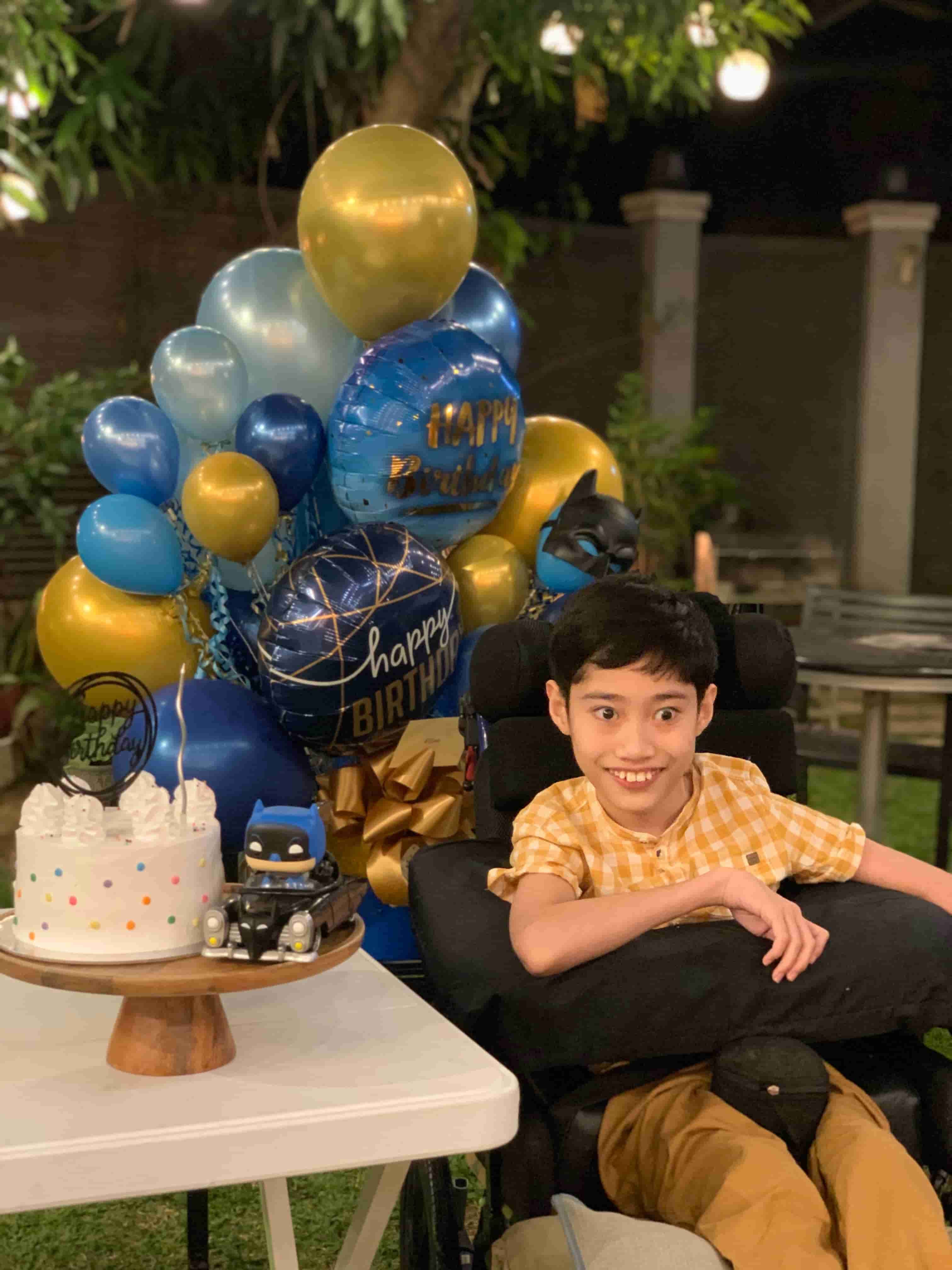
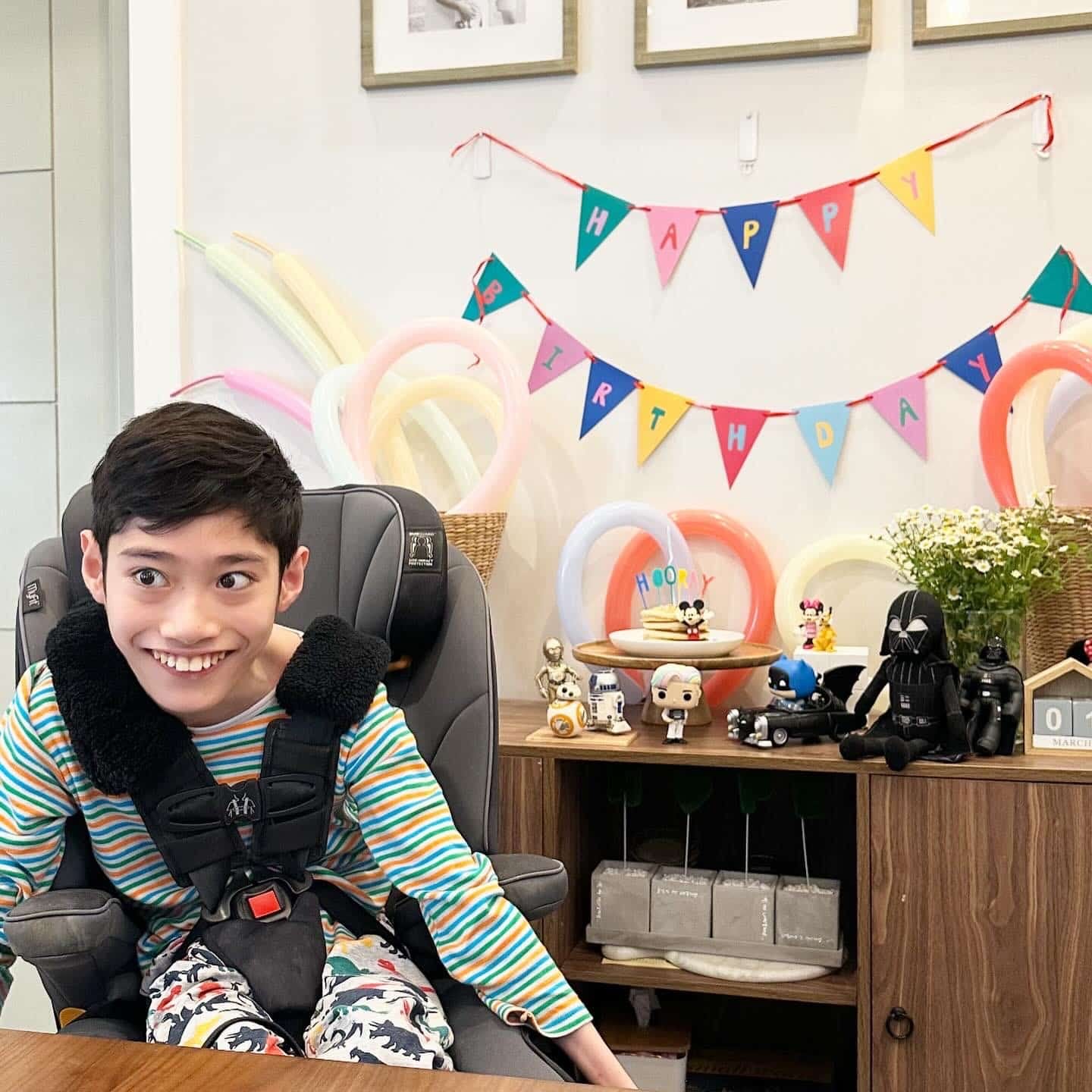
Teddy and Dee celebrate Elijah every chance, especially on his birthdays. They acknowledge that Elijah will not enjoy the ruckus of typical birthday parties, but they have their tradition of setting up something special at home for his birthday. “Pag-gising niya, may something na na-prepare kami for him. From Elmo to Mickey Mouse, Batman, Star Wars. The last two medyo matagal niya nagustuhan,” the couple said.
“Ngayon, gusto niya pang-big boys na talaga. So doon namin narealize na, malaki na talaga si Elijah,” Dee expressed. “Noong nag-one year old siya, hindi ko ma-imagine na lalaki siya, na he will grow up to be this smart and amazing little man, na he will touch so many lives kasi yun ang personality niya ngayon. Nung four years old siya, hindi siya marunong magsalita, iyakin lang. Pero ngayon, he’s very friendly and jolly.”
Teddy, who works as a Multimedia Content Creator, takes photos and videos every chance. “For 17 years na I’ve taken his photo, itong last yung parang naging extra special for me,” he said. “Napansin ko na sobrang binata na niya.”
Seeing Elijah and his progress throughout the years led the couple to one important realization: “It’s going to be hard, it’s going to be difficult, but it will be okay. It will get better. Hindi lang ganon kabilis yung progress,” Teddy and Dee said. “We all have different directions, iba lang yung sa amin.”
.jpg)
Elijah celebrating his 11th birthday | Photos courtesy of Teddy and Dee Garcia
.jpg)
Elijah celebrating his 12th birthday | Photos courtesy of Teddy and Dee Garcia
.jpg)
Elijah celebrating his 13th birthday | Photos courtesy of Teddy and Dee Garcia
Photos courtesy of Teddy and Dee Garcia
Photos courtesy of Teddy and Dee Garcia
photos to expand
“Like when he was able to sit, kahit may support, nakakaupo siya, or when he’s able to hold things,” Dee explained. “For some, sobrang normal yun, hindi mapapansin ng parent with a healthy child. Pero for us, it’s a big thing na may na-achieve siya.”
“Malaking bagay yun sa amin, and we celebrate yung mga maliliit na bagay na yun,” Teddy added.
For the couple, one thing remains clear, they are lucky to meet and have Elijah in their lives. “Wala akong kilala na tao na parang hindi naka-commit ng sin, or mali sa buhay,” Dee explained. “Parang iniisip ko, si Elijah lang yata yun. Hindi siya magsisinungaling. Hindi siya nananakit ng ibang tao. He’s very pure of heart.”
“Ang swerte ko kasi na-meet ko siya, na anak ko siya,” Teddy added.
“One day at a time”
Like all parents, they worry about Elijah’s future. “We don’t have the resources for long-term care like in other countries. Gusto ko ako mag-aalaga. Pero paano pag matanda na kami?” Dee said.
Teddy's mindset is simple: “I try to stay positive. Every day is another day. One day at a time.”
“We were so full of worry about his future, about our future. Pero when we learned to live one day at a time, mas na-enjoy namin yung time namin with him.”
Ultimately, raising Elijah isn’t about comparing to anyone else’s path. It’s about choosing love, building routine, embracing help, and celebrating every single win—no matter how small.
That’s not just surviving. That’s raising a life.

'I Felt Helpless': Mom Finds Hope For Son's cerebral palsy Through An Organization's Funding
Read hereEm is a section editor at Smart Parenting (smartparenting.com.ph). A mother of two school-aged children and happily married for 15 years, she draws on her background in Public Relations and Digital Marketing to create meaningful content.
Read more stories about