
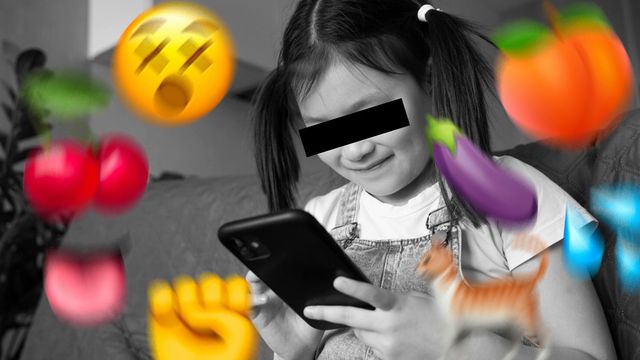
Ever wonder if your child is engaging in conversations with predators online?
A children's rights non-government organization has uncovered a deeply concerning trend that needs urgent attention, especially among parents.
How online predators are using emojis to victimize kids
Bahay Tuluyan released a short video that delves into a new strategy by online predators to victimize children. You'll never guess what their tactics involve these days: harmless emojis like eggplant, peach, and water droplets.
The video, which was published on Facebook in January this year, aims to empower parents, guardians, and educators to be at the forefront of teaching our kids about online safety and be more vigilant about their online interactions.
“Did you know that there is a very high probability that your kid has talked to or is talking to an online predator and you’re not aware of it?” said Catherine Scerri, Executive Director of Bahay Tuluyan in a statement.
“Every day, around 500,000 predators try to befriend kids online via social media and gaming sites,” Scerri adds. “They pretend to be kids and use emojis as a way to get close to our children and abuse them; get images of their private parts or even get them to perform sexual acts. This is why we came up with this campaign. We want parents to be aware of this very real danger so that they may take necessary actions to prevent or properly respond to it.”
READ ALSO: 15 Apps At Games Na Maaaring Gamitin Ng Mga Online Sexual Predators
In the video, which features sensitive images, one segment depicts a child who, after experiencing bullying, finds comfort and refuge in an eggplant emoji.
Another scene illustrates how a seemingly harmless livestream can become a means for predators to connect with vulnerable children.
While emojis were created to make communicating with friends and family online a lot more fun, these icons have been given different meanings through time. Bahay Tuluyan explains, the eggplant emoji is now used to refer to the male genitalia, the peach is now usually used to refer to buttocks, corn as a substitute for porn, and sweat drops can now be used to express orgasm.
The video was created in partnership with multi-awarded communications agency, TBWA\ Santiago Mangada Puno.
Warning signs that parents should watch out for in their kids
In an interview with Smart Parenting, Scerri shared warning signs that parents can watch out for in their kids, particularly when they seem unusual or a change in behavior.
These include:
- Being secretive about their online behavior
- Wanting to significantly increase the amount of time they spend online
- Switching tabs or closing screens when a parent or adult is nearby
- Using sexual language that they would not be expected to know
- Being emotionally volatile
- Having unexpected/unexplained gifts or money
"At Bahay Tuluyan we tell parents that if you see these signs, the best way to move forward is to observe and take things calmly, trying to gather as much information as you can. It’s very important that you do not get angry with your kids, because that can lead to much more complicated and bigger problems. Be kind. Be patient. But take action. Try to find out who they are talking to, what they are talking about, and what other materials they are viewing," she said.
How can parents talk to their kids about their online activities
Scerri shared that based on her experience, the best approach for parents to talk to their kids about their online activities is to approach things as if you are their friend. "They need to see that you are on their side. Talk regularly and openly. Be positive and try not to overreact if they share things that surprise or worry you. Look for a way to discuss the dangers of interacting with strangers online and remind your kids that people online don’t always tell the truth."
She added, "Educate them about respecting privacy—their own and other people’s. Remind them about how images and information we post online are difficult to ever completely remove and that everything we do leaves a digital footprint that they might not want to be there in 5, 10 or 20 years. Have open and regular conversations with your kids about what is sensible to post online and remind them that just because others are doing it, doesn’t mean it is sensible!"
She also reminds parents how important it is to make children understand the risks online without scaring them. "The important risks that children should be aware of are that things they might see that could be upsetting, graphic or cruel. They should know that they might come into contact with people who are not trustworthy. Kids need to know that their conduct online is important—that they should not act ways that could hurt themselves or others. Finally, there are risks if they sign up for things that they don’t understand, that they could get scammed or have their personal data accessed."
Our duty as parents, Scerri emphasizes, is to look for ways for them to be able to navigate the online world safely.
What should a parent do if their child is being victimized online
1. Reassure their kids that they are not in trouble.
Avoid judgment and blame. Remember, your child is the victim here.
2. Speak calmly.
Respect your kid’s confidentiality but do not promise to keep this information a secret.
3. The authorities will need details to take action.
Take screenshots, record conversations, and save all information that could be used as evidence. Report everything to the Women and Children Protection Center (WCPC) hotline: (0961) 613-5477.
PH is a Hotspot for Child Abuse Online
According to a report by Sunstar, in 2022, roughly 1 in every 100 children were trafficked to produce sexual exploitation material (CSEM) for profit, based on the Scale of Harm prevalence study by International Justice Mission (IJM) and the University of Nottingham Rights Lab.
In a recent update, Executive Director Undersecretary Angelo Tapales of the Council for the Welfare of Children (CWC) disclosed that within the same year, they documented 18,513 instances of violations related to child abuse, rape, and acts of lasciviousness as outlined in Republic Act 7610.
Sexual offenses against children, whether conducted online or offline, constitute a profoundly grave crime. In the Philippines, individuals convicted of such acts can receive a sentence of life imprisonment and a fine amounting to no less than five million pesos (PhP5,000,000.00).
More from sp

Lorem ipsum dolor sit amet, consectetur adipisicing elit, sed do eiusmod
Lorem ipsum dolor sit amet, consectetur adipisicing elit, sed do eiusmod
