
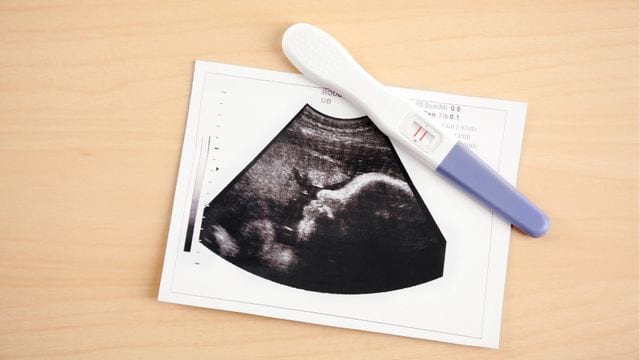
Pregnancy may be a time of joy and hope for many mothers, but it also comes with doubts and fears about their child's future. For expectant moms with a family history of autism or other developmental conditions, it's normal to worry about how their genetics or other factors that might influence their baby's health and development.
To help shed light on these concerns, the Smart Parenting Village Live episode for April focused on Autism Awareness. Dr. Ma. Isabel O. Quilendrino, a developmental and behavioral pediatrician and member of the Smart Parenting Board of Experts addressed common questions about pregnancy and autism.
Here's a breakdown of the facts she shared, including what experts know so far about autism risk factors, what expecting moms can do, and why awareness is key.
Pregnancy and Autism: Risks, Realities, and What You Can Do
1. What is autism?
Dr. Isa Quilendrino (Dr. IQ): It is essential to understand that autism is not a disease or illness. It simply means that the brain works differently; some would say it’s wired differently compared to other people. Autism is something a person is born with; it’s not something that develops later on.
Signs of autism can be noted as early as infancy. Sometimes parents recognize the signs only in hindsight. In some cases, individuals may not recognize traits or atypical patterns until later in life, even when they are already in the workforce. This tells us that autism is a lifelong condition.
However, being lifelong doesn't mean living with constant challenges or impairments. Some challenges may persist, but certain traits and unique quirks associated with autism will also remain.
It’s also essential to understand the term Autism Spectrum Disorder (ASD). Whereas autism used to be divided into categories, it is now considered a broad spectrum. This means that every individual with autism is different. Individuals with autism may exhibit varying levels of intelligence, face various challenges, and possess unique strengths. They also require different levels of support.
2. My brother has autism. Is it possible for my child to have autism?
Dr. IQ: That’s a common question and a valid concern. While no one knows for sure what causes autism, several risk factors have been identified. It is essential to note that risk factors are not necessarily causes. They are conditions that studies have shown to be associated with higher chances of autism.
One of the risk factors is genetics. Having a sibling or parent with autism increases the likelihood of having a child with autism. Certain genetic conditions, such as Fragile X Syndrome, also raise the risk and can be confirmed through genetic testing.
Aside from genetics, there are also environmental risk factors, particularly those related to the mother's health during pregnancy. Experts have noted a slight increase in risk if complications arise during delivery. These include premature birth and prenatal exposure to hazardous substances.
A recent finding suggests that BPA (Bisphenol A)—a chemical banned in certain plastic food containers—is a risk factor. Although many children's toys are now BPA-free, other sources such as some clothing still contain BPA. A study measured BPA levels in the maternal placenta and found that children with high exposure had six times the risk of developing autism.
Therefore, we should not be overly concerned with genetics alone, as we cannot change that. However, there are environmental risk factors. We can't avoid everything because we don't know everything, but we should focus on what we can control or minimize.
Autism is present at birth; it is not something acquired after birth. The risk factors are already present during the mother's pregnancy.
3. What can expecting mothers do to reduce risk?
Dr. IQ: There are maternal health factors within a mother’s control that may reduce the risk of autism, including:
- Managing blood sugar levels. Uncontrolled blood sugar during pregnancy is a known risk factor.
- Ensuring adequate vitamin D. Low maternal vitamin D levels have been linked to a higher risk of autism. OB-GYNs often check this and supplement accordingly. Vitamin D can also be absorbed naturally through diet and sunlight exposure.
- Attending regular prenatal checkups. These can help prevent or detect complications such as infection or premature delivery, which may increase risk.
- Maintaining a healthy lifestyle. Balanced nutrition, good sleep, and minimizing exposure to harmful substances all contribute to a healthier pregnancy.
In fact, even years before pregnancy, it's important for women to be in good reproductive health to prepare for motherhood.
4. Can my health or lifestyle during pregnancy affect my baby’s risk of Autism?
Dr. IQ: Yes, maternal health and environmental exposures play a significant role in increasing (or decreasing) risk. However, it's also true that many mothers of children with autism cannot recall any clear risk factors. This shows just how complex autism is, and that it’s not always preventable.
There are many theories about the origins of autism, from scientific to evolutionary. Parents are encouraged to read, explore, and understand, but not to dwell in fear.
Try not to worry too much. Instead, take care of your health, pray, and stay calm. Autism does not discriminate, but remember that it is also not a death sentence. What matters is that you’re doing your part to have a healthy pregnancy.
Read what you can do if you see a mom and a child with Autism struggling here.
You can also watch the full SPV Live here:
More from sp
More from sp

Lorem ipsum dolor sit amet, consectetur adipisicing elit, sed do eiusmod
Lorem ipsum dolor sit amet, consectetur adipisicing elit, sed do eiusmod
