
Products recommended on our websites are independently selected by editors. If you buy something through our links, Summit may earn an affiliate commission at no extra cost to you.
Child car seats are in demand now that Republic Act No. 11229 or the Child Safety in Motor Vehicles Act was announced for implementation in early February 2021. And while penalties and fines have been deferred for now, parents face another problem: Choosing the right car seat that matches their budget and the needs of their kids.
Yes, child car seats are not exactly cheap, but think of it as an investment in your child’s future. In the Philippines, more than 600 children die from road crashes each year, according to the World Health Organization. It is the second leading cause of death among kids under age 17, according to the Department of Health.
If you already have a car seat even before the law passed, you can still use it provided it meets certain requirements (read here). There are also specific circumstances where your child may be exempted (read here).
Will the government issue a list of approved car seat brands?
According to the law’s Implementing Rules and Regulations (IRR), “all manufacturers, importers, distributors, and sellers of child restraint systems, are required to secure from the DTI-BPS a PS Mark License or ICC Certificate prior to the marketing, sale, and distribution of their products.”
Approved car seats that comply with safety standards must have a PS Mark or ICC sticker. (Read more about it here.) According to the Department of Trade and Industry, only one importer has been given DTI certification while the others are still being processed.
According to Jenna Sy, official distributor of baby brand Aprica, they are in the process of applying for ICC stickers. “The ICC sticker serves as an assurance that the imported products consumers are buying comply with the quality and safety standards set by the government,” she explains.
Type of child car seats you can buy for your kids
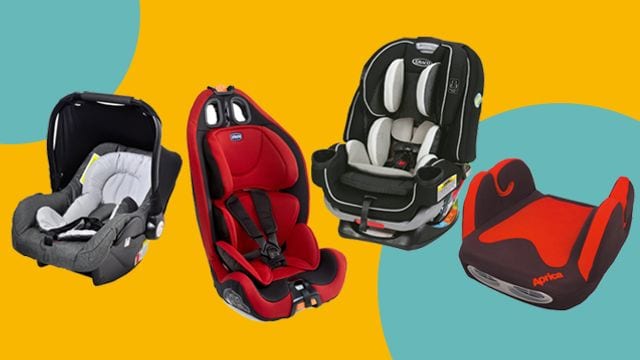
For first-time users, here’s a guide to the four kinds of child seats your little ones can use — it will vary according to your child’s height, weight, age, and needs. We hope this can help you weigh your options and find the right fit for your family.
Rear-facing
The American Academy of Pediatrics (AAP) recommends that all infants ride rear-facing up to 2 years of age or until they have reached the weight and height recommendation of their car seat manufacturer.
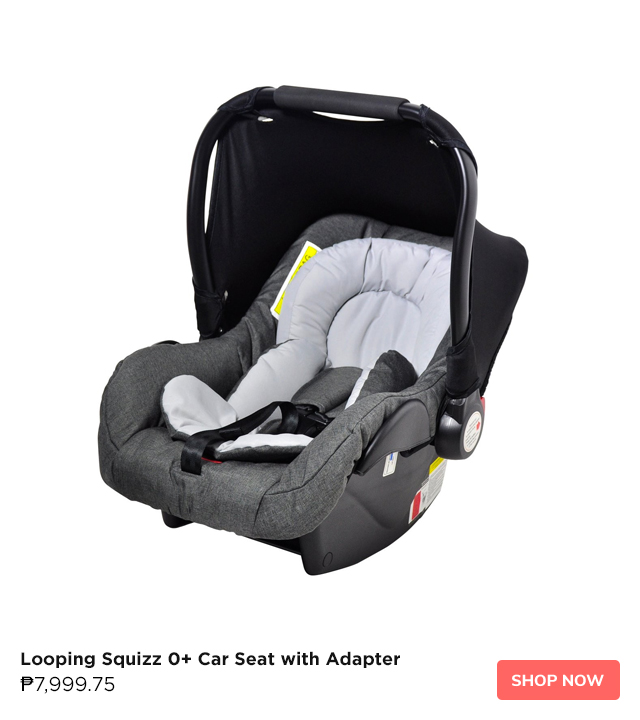
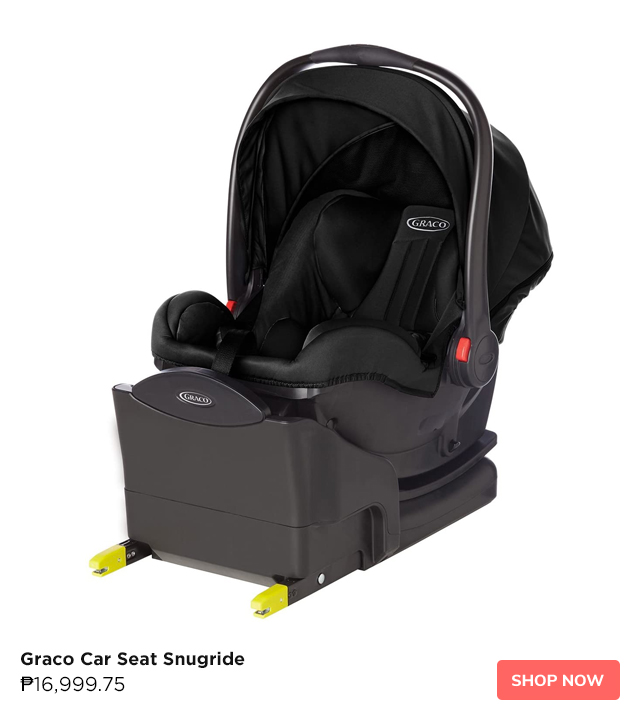
Rear-facing-only seats are typically used for infants zero to 15 months, with a height of 2 ft 8 inches and below, and weight 0-13kg, according to Buckle Up Kids PH, the social media campaign of the Philippine Road Safety Coalition.
These are small with carrying handles and usually come with a base that can be left in the car. Some options may be inserted directly into a stroller.
Forward-facing
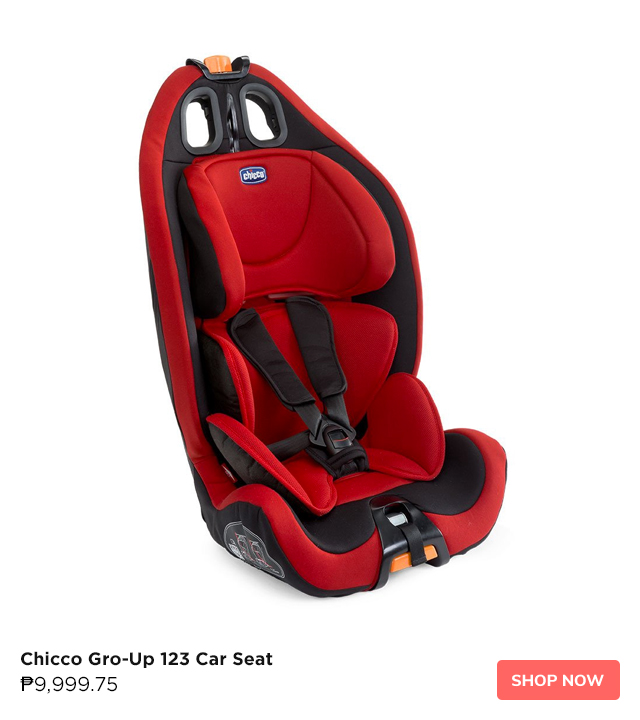
Forward-facing car seats are for children who have outgrown their rear-facing weight or height limit. It is typically recommended for children 15 months to 4 years of age, with a height of 2 ft 3 inches to 4 feet 4 inches, and who weigh between 9 to 36kg, according to Buckle Up Kids PH.
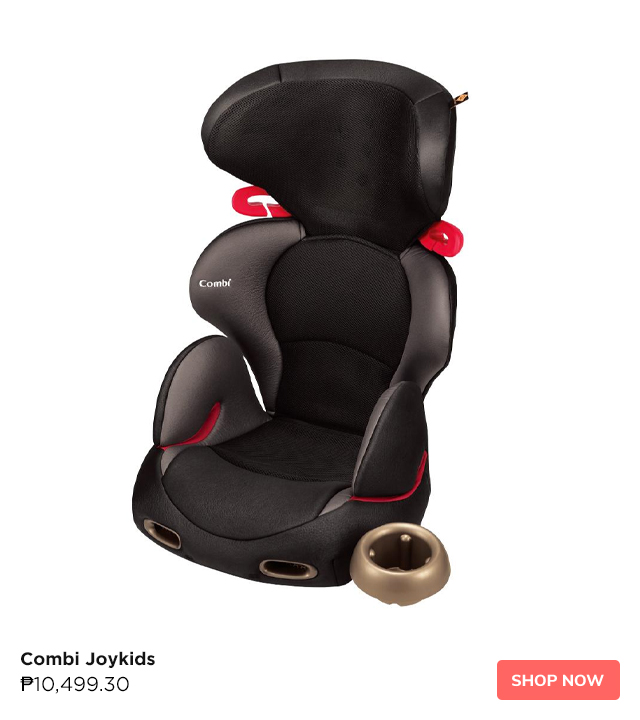
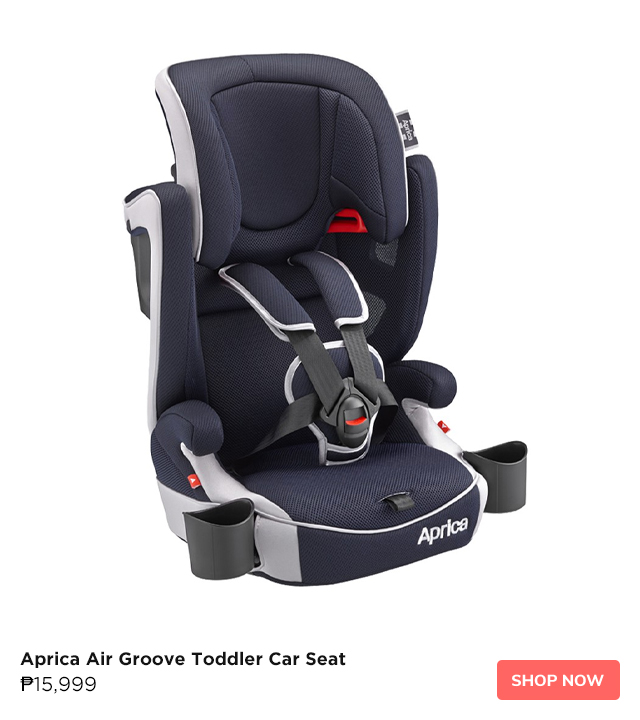
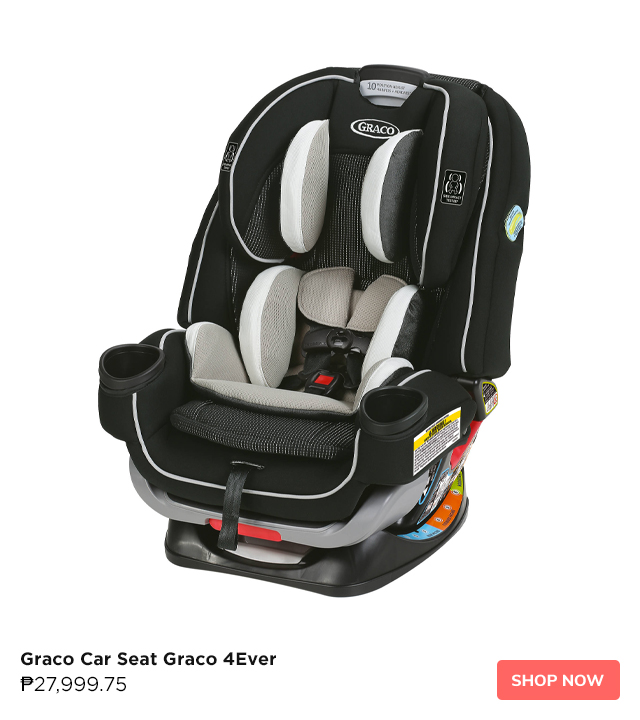
Convertible
If you have the budget, you might like the convertible car seat since it grows with your child. Some are fit for newborns to preschoolers while there are options that hold kids up to 12 years old. Keep in mind that this can be more expensive compared to other options.
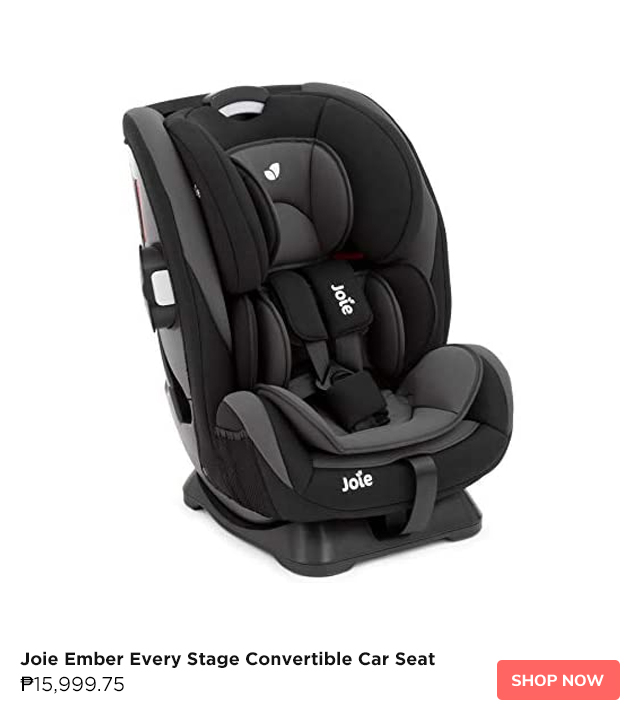
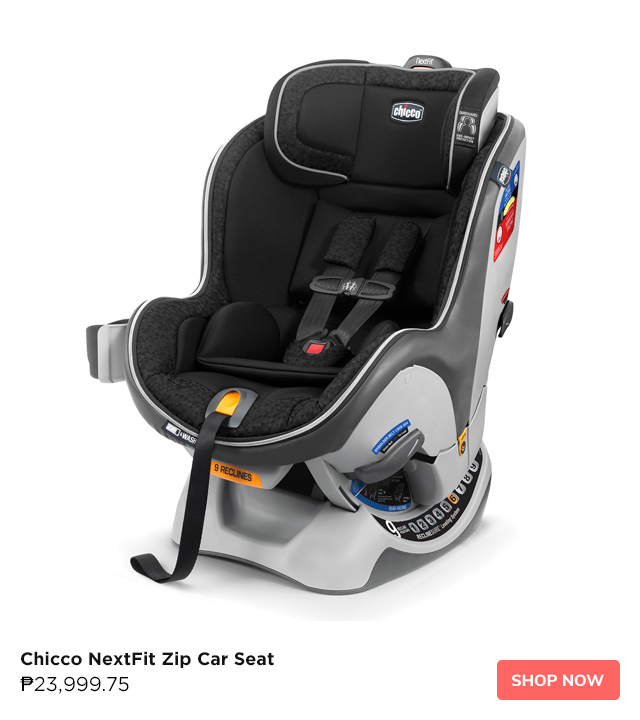
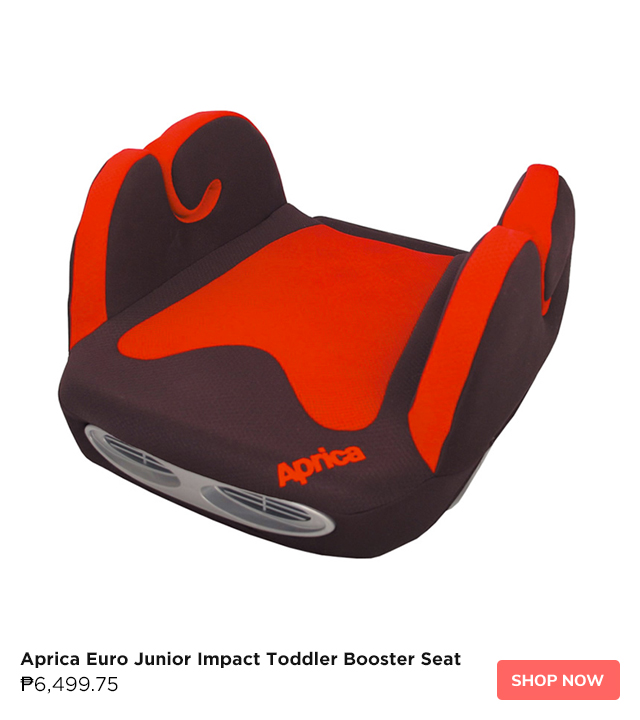
Booster
If you have an older child between 4 to 12 years old and you don’t foresee your family welcoming a newborn any time soon, a booster seat might be more economical. It is meant for children who are 4 ft to 4 ft and 11 inches tall and who weigh 15 to 36 kg.
Car seats are non-negotiable for the safety of your child in a moving vehicle. Click here to read why.
Editor's note: Links are updated regularly and as much as possible, but note that products can run out of stock, discounts can expire, and listed prices can change without prior notice.
What other parents are reading

Lorem ipsum dolor sit amet, consectetur adipisicing elit, sed do eiusmod
Lorem ipsum dolor sit amet, consectetur adipisicing elit, sed do eiusmod
