

After Taal Volcano’s eruption last night, January 12, 2020, ashfall is being experienced throughout Batangas, Cavite, Laguna, Metro Manila, and even parts of Rizal. While the ashfall today is not as extreme as it was yesterday, volcanic ash still lingers in the air, which is why it's important to wear protective masks when outside, particularly for those who reside near Taal Volcano.
The P3 mask
The most ideal masks to get are the P1, P2, and P3 masks, also known as dust masks, often used in construction or when doing DIY projects at home. These masks are made to protect you from breathing in particles, and you can find them in construction shops.
What other parents are reading
The N95 mask
The P3 mask is harder to come by in your everyday pharmacy, so for the common civilian, the N95 mask is the ideal. These masks are made to protect individuals from bacteria and viruses, but they can also block 95 percent of very small particles. The N95 mask only works if it’s fit tightly against your skin so there are no gaps for air to enter your nose and mouth. It’s not designed for people with facial hair and for small children.
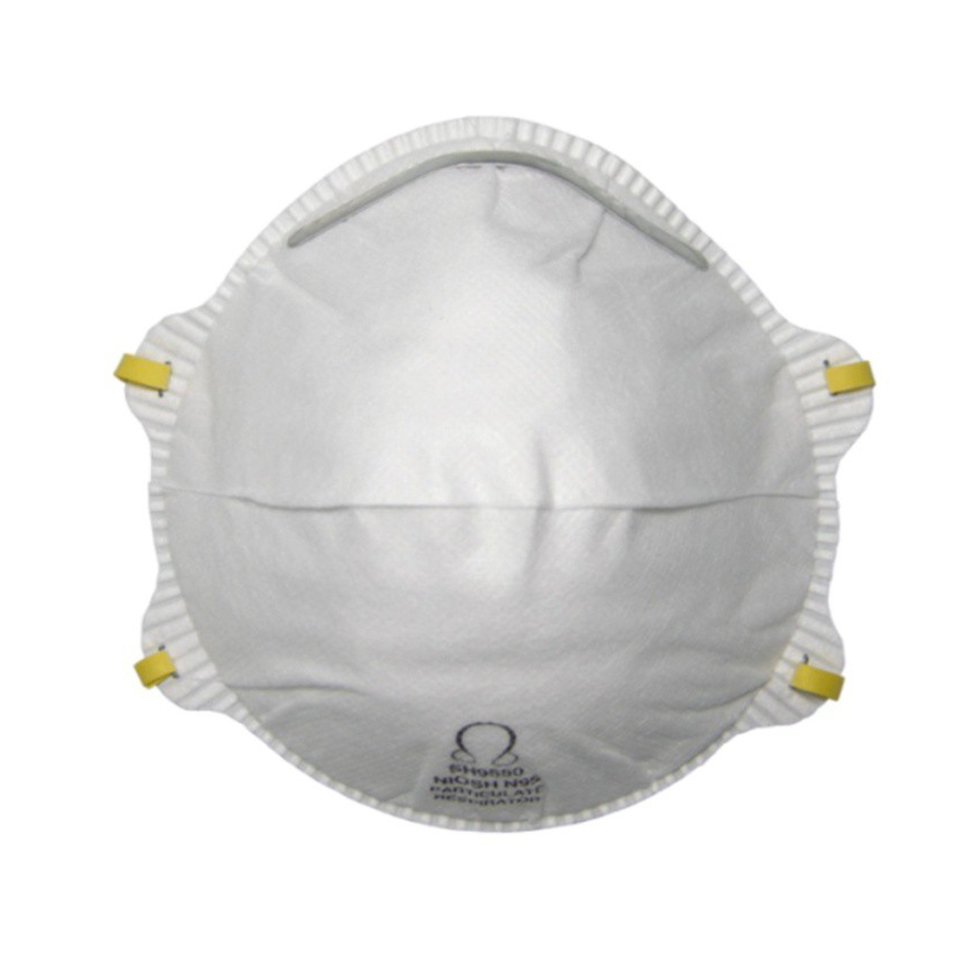
The N95 mask is reusable as long as it’s not clogged by particles and dirt. And because you can reuse them to an extent, we ask you do not hoard or stock up on N95 masks when others are also in need of them.
What other parents are reading
The surgical mask
If the N95 is sold out at your nearest Watsons, Mercury Drug, and local pharmacy, this is what you can do with a surgical mask, which is not enough alone to stop you from breathing in ashfall. This mask was designed to protect the user from liquids and solids — not gas or small particles. It does nothing when faced with ashfall. However, if you place three layers of surgical masks on your mouth and nose, you increase your protection from ashfall and small particles by 75 to 90 percent.
Wet cloth or towel
When surgical masks are also out of stock in stores near you, here’s the backup’s backup plan. The Philippine Institute of Volcanology and Seismology (Phivolcs) recommends using a wet cloth or towel to cover your nose and mouth to avoid breathing in volcanic ash.
This story originally appeared on Esquiremag.ph.
*Minor edits have been made by the SmartParenting.com.ph editors.
What other parents are reading

Lorem ipsum dolor sit amet, consectetur adipisicing elit, sed do eiusmod
Lorem ipsum dolor sit amet, consectetur adipisicing elit, sed do eiusmod
