
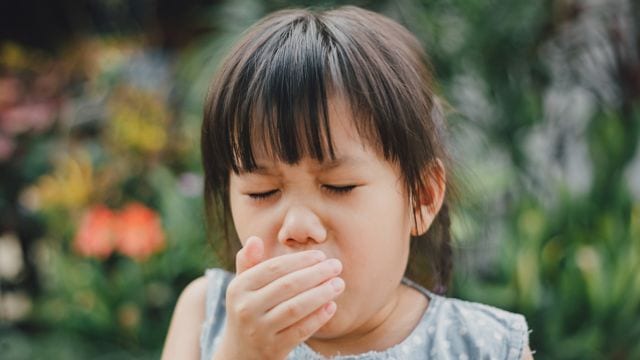
With the World Health Organization officially declaring the end of the public health emergency caused by COVID-19, it is now safe to assume that the general public feels secure enough to go about their regular activities without the restrictions that were endured over the past three years. For most parents, this means catching up on activities they were unable to enjoy with their children, such as visiting play/activity areas, going on vacations, or watching movies, and strolling in malls.
However, health experts are reminding parents to remain vigilant to ensure their children’s safety in the post-pandemic era. Here’s why:
Possible increase in infectious diseases
GSK recently conducted a media briefing featuring pediatric infectious disease and vaccine experts, Dr. Anna Ong-Lim and Dr. Maria Rosario Capeding, discussing the potential rise in infectious disease cases now that the country has returned to normalcy, particularly focusing on pneumonia.

Dr. Ong-Lim shared that during the pandemic, the number of pneumonia cases decreased due to the public health precautions implemented for COVID-19. However, this does not imply that we should become complacent when dealing with the disease. She and Dr. Capeding caution that a combination of factors, including reduced vigilance in preventive measures and increased population mobility, could contribute to pneumonia cases, particularly among the unvaccinated population of young children below 5 years old.
Why parents should be concerned about childhood pneumonia
Childhood pneumonia is an infectious disease that manifests with lung-related symptoms in children, leading to breathing complications. These complications may further lead to lung abscess, sepsis, bacteremia or bacteria in the bloodstream, respiratory failure, and death.
According to Dr. Capeding, pneumonia has remained the primary cause of hospital admissions and death among young children in the Philippines since the 1990s. In 2022 alone, pneumonia claimed the lives of 60,500 Filipino children, a majority of whom were below 5 years old, making it the leading cause of child mortality in the country. On a global scale, pneumonia accounted for 14% of deaths in children under 5 years old, killing 740,180 children in 2019.
While pneumonia can affect individuals of all ages, infants and children aged 2 years or younger face a higher risk due to their developing immune systems.
What causes pneumonia
Pneumonia can be caused by several infectious agents, including viruses, bacteria, and fungi. The most prevalent causes of pneumonia include:
- Streptococcus pneumoniae, which is the primary cause of bacterial pneumonia in children. Among the 90 known serotypes, 32 were identified in the country as of 2018. Consequently, this places 11 million Filipino infants and children within the age group most susceptible to the disease at risk.
- Haemophilus influenzae type b (Hib), the second most common cause of bacterial pneumonia.
- Respiratory syncytial virus, the leading viral cause of pneumonia.
- Other common viruses that cause cold, flu, and other respiratory infections, such as adenovirus, rhinovirus, influenza (flu), and parainfluenza virus.
These viruses and bacteria that cause pneumonia are contagious and spread through sneezing, coughing, and contact with contaminated surfaces.
What are the factors that increase a child’s risk in contracting or developing pneumonia
Health conditions, such as:
Pre-existing illnesses or compromised immune systems, can heighten children’s susceptibility to pneumonia. This includes children suffering from malnutrition or undernourishment (including infants not exclusively breastfed) and those with infections like HIV or measles.
Environmental factors can also escalate pneumonia risk:
This can include indoor air pollution caused by cooking and heating with biomass fuels (such as wood or dung), crowded homes, and exposure to secondhand smoke from parents or relatives sharing the same household.
What are the red flags that parents should watch out for
Given that several viral or bacterial infections can lead to secondary pneumonia, parents should be alert to any of these symptoms, which could indicate a progression to pneumonia:
- Fever
- Cough
- Chills
- Fast breathing
- Breathing with grunting or wheezing sounds
- Labored breathing
- Vomiting
- Chest pain
- Abdominal pain
- Reduced activity levels
- Loss of appetite (in older kids) or poor feeding (in infants)
If you notice any of these symptoms or a combination thereof in your children, it is advisable to consult your pediatrician promptly. Healthcare professionals will assess their breathing patterns, vital signs, listen to the lungs, and even order a chest X-ray to confirm the diagnosis.
What can parents do
Apart from staying informed and being watchful for pneumonia symptoms, Dr. Ong-Lim and Dr. Capeding strongly advocate for vaccination. They concur that eradicating pneumonia in the country is an impractical goal due to its multifactorial causes. However, one way parents can contribute to reducing the incidence and protecting their young children is by ensuring they stay current with their vaccinations.
Dr. Ong-Lim shared that during the pandemic, the number of “zero-dose” children - those who have not received any vaccinations - increased by 2 million since 2020. Additionally, the Philippines ranks fourth among the top 20 countries with the highest number of zero-dose children.

Dr. Ong-Lim emphasized, “We are blessed to have come through the pandemic. We are in the better normal. But with this change, vaccine preventable diseases from the past are waiting for the opportunity to infect everyone, particularly children who were not able to get vaccinated due to the restrictions.”
She then urges parents, particularly those with young children, to do the following ASAP:
- Review your child’s vaccination records with your trusted pediatrician to identify missed vaccines and schedule catch-up doses.
- Ensure your child receives all Department of Health-recommended vaccines at the appropriate ages, including the pneumococcal conjugate vaccine (PCV). This will safeguard your child against infections that could potentially lead to pneumonia, such as measles, Hib, and whooping cough (pertussis).
Finally, Dr. Capeding stresses that beyond the practices adopted during the pandemic, such as mask-wearing and social distancing, vaccinations continue to be the primary preventive measure against prevalent respiratory illnesses, including pneumonia.
So do not forget to schedule a checkup with your pediatrician, check those vaccine records, and schedule catch up shots, mamas. This way, we can ensure that our children are well-protected against pneumonia and other vaccine-preventable diseases.
What other parents are reading

Lorem ipsum dolor sit amet, consectetur adipisicing elit, sed do eiusmod
Lorem ipsum dolor sit amet, consectetur adipisicing elit, sed do eiusmod
