
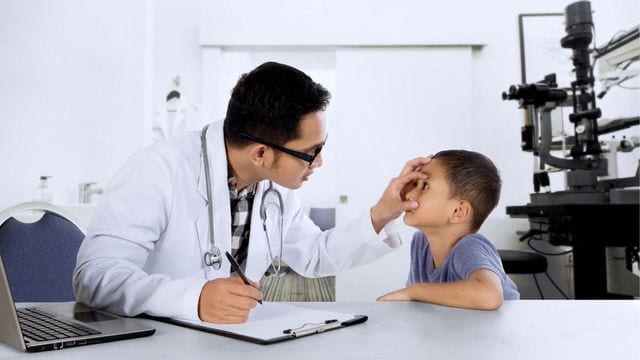
We all know that spending too much time on screens can lead to eye strain, headaches, and disrupted sleep. We also know that children today spend more time indoors and use digital devices for school and entertainment. What we may not have realized, however, is the growing evidence linking excessive screen time to myopia, or nearsightedness, in children. A recent study has raised concerns, suggesting that prolonged screen exposure could contribute to the rise of myopia rates.
ALSO READ: Is Too Much Screen Time Ruining Our Kids' Eyesight? 9 Questions A Techie Dad Asked An Eye Doctor
New Study Links Increased Screen Time to Rising Myopia Rates
A systematic review published in JAMA Network Open found that every extra hour of screen time per day increases the risk of myopia by 21%, with the risk growing as more time is spent on digital devices.
Researchers from South Korea and Ireland analyzed over 45 studies involving 335,524 participants. These studies all examined the connection between risk for myopia and the use of digital devices, such as smartphones, tablets, game consoles, computers, and television.
They found that the risk of myopia increased with one to four hours of daily screen time and continued to rise with more hours. Experts suggest limiting screen time to under one hour per day to help prevent the condition.
This review builds on previous findings highlighting the rising rates of myopia among children. In 2023, more than a third of kids worldwide were nearsighted, and this proportion is expected to increase to nearly 40% by 2050, according to new research.
What is Myopia?
Also known as short-sightedness, myopia is a condition in which distant objects appear blurry while close objects remain clear. It usually begins between the ages of 6 and 14 and worsens until the early 20s. Genetics and environmental factors play a role in the development of myopia, especially those related to how the eye grows and elongates.
Why Are Myopia Rates on the Rise?
One factor contributing to the rise in myopia is the significant increase in time spent indoors and on screens. A 2021 study in The Lancet found that near-vision activities, such as using smartphones, computers, or reading, raise the likelihood of myopia, with digital screen time being a particularly significant risk factor. The COVID-19 pandemic exacerbated this issue, as children spent more time on screens for school and entertainment.
Experts point to the addictive nature of social media and digital devices, which encourage prolonged screen use, further contributing to the rise in myopia. Apps and games are designed to engage children and keep them hooked, which doesn't help when it comes to reducing screen time for better eye health.
It's a growing concern. So, what can parents do to help prevent myopia from affecting their children?
How Can Parents Protect Their Child's Vision?
While you can't control every factor, there are several steps you can take to help reduce the risk of myopia or prevent it from worsening:
Limit Screen Time
You can start by following the American Academy of Pediatrics' recommendation that children limit their screen time to two hours daily. This can help manage screen exposure and reduce the risk of myopia.
Be Mindful of Screen Use
Ensure devices are positioned at least 20 to 28 inches away from your child's eyes. Encourage the use of the 20/20/20 rule: Every 20 minutes, look at something 20 feet away for 20 seconds. Be involved in your child's screen time and use parental controls to monitor their activity. It also helps if you model good screen habits by limiting your own screen use.
Encourage Outdoor Time
Studies have consistently shown that spending time outdoors can protect against myopia, especially during childhood. That's why it's important to encourage children to exercise their eyes by focusing on objects far away while outdoors.
Regular Eye Checkups
Schedule routine eye exams with a pediatrician or ophthalmologist to monitor your child's eye health. Myopia can be managed with eyeglasses or contact lenses. Experts recommend regular eye screenings for children, beginning at birth and continuing through childhood.
With myopia on the rise and digital devices contributing to its development, it's more important than ever for parents to manage screen time and protect their children's vision.
Click here for more information about how your child's eyesight develops in their first year.
More from sp

Lorem ipsum dolor sit amet, consectetur adipisicing elit, sed do eiusmod
Lorem ipsum dolor sit amet, consectetur adipisicing elit, sed do eiusmod
