
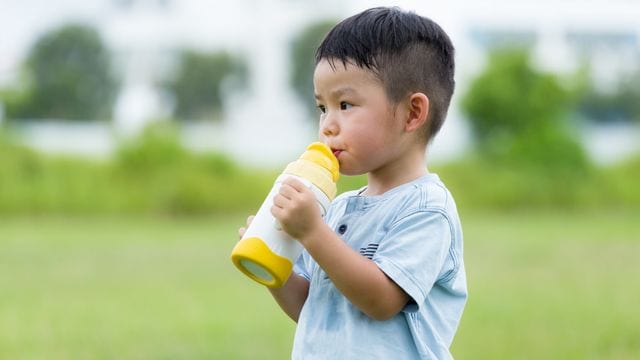
Buying cheap water bottles for your child might seem like a good choice, but it’s worth reconsidering—an advocacy group revealed that some bottles sold locally contain high levels of lead.
Ecowaste Coalition found alarming levels of lead in reusable water bottles and tumblers sold online and in stores across Metro Manila and nearby areas.
After purchasing samples priced between P145 and P289 from July to October 2024, the group tested the products and discovered that half contained high levels of lead in their exterior coatings. Even more concerning that most of these bottles are marketed for children, who are vulnerable to the harmful effects of lead.
ALSO READ: How Much Water Should You Drink a Day? Water Intake Chart
Ecowaste reported that 15 of the 30 steel water bottles they tested exceeded the government’s limit of 90 parts per million (ppm) of lead. Worse, 10 of these bottles had lead concentrations above 10,000 ppm, and one exceeded 100,000 ppm. These levels are far beyond what’s considered safe for anyone.
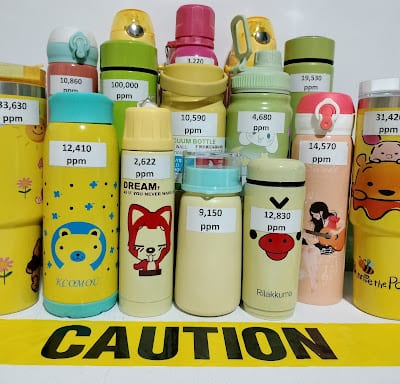
Meanwhile, the other 15 samples were lead-free, showing that manufacturers of non-branded water bottles can produce products without toxic substances. However, the inconsistency in safety standards across these products needs to be addressed.
The Hidden Dangers of Lead
Lead is a toxic metal that poses severe health risks, especially for children. As Ecowaste emphasized, the lead-containing paint on water bottles can deteriorate over time, making it easier for the toxic substance to enter a child's system.
Repeated exposure to lead can lead to severe health issues. According to the United Nations Children's Fund (UNICEF), lead exposure accounts for nearly 1.5% of global deaths annually, a figure comparable to deaths caused by HIV/AIDS and higher than those from malaria.
Ecowaste also highlighted the long-term consequences of lead exposure on children’s health. "Lead affects a child's developing brain, causing decreased intelligence, behavioral disorders, and learning problems which can reduce potential earnings in adulthood. It also affects almost every organ in a child’s body, including the heart, lungs, and kidneys," UNICEF said.
Given these risks, it's alarming that none of the tested products carried any warnings about potential lead hazards.
Ecowaste's Call for Compliance
Ecowaste Coalition is urging manufacturers and retailers to adhere to the country's lead paint standards, particularly for reusable water bottles and tumblers. They’re also calling for better enforcement of these standards by the government to ensure that products on the market are safe for public use.
The advocacy group also encourages consumers to be vigilant when purchasing water bottles, especially for children. "While reusable stainless steel water bottles are helpful in decreasing the consumption of single-use plastic water bottles, their manufacturers must comply with the country’s lead paint standard and other applicable standards," Ecowaste said.
One solution proposed by the group is for manufacturers to mark their products as "lead-free" or "lead-safe." Additionally, they should provide clear labeling, including information about the manufacturer or distributor, making it easier for consumers to trace and verify the safety of the products they buy.
What to Look for in a Kids' Water Bottle
As a parent, ensuring your child has a safe water bottle is essential. With the variety of products available, it’s easy to get overwhelmed by claims of advanced features and stylish designs. But what should you prioritize when choosing a water bottle for your little one? Here are a few key factors to keep in mind:
Material
Stainless steel and plastic are the most common materials for kids’ water bottles. Stainless steel is known for being durable, food-safe, and often comes with double-walled insulation, keeping drinks cold or hot for extended periods. Plastic bottles are lightweight, usually transparent, and often more manageable for toddlers to use independently. Whatever you choose, ensure that it’s free of lead and other harmful chemicals like Bisphenol A (BPA), Bisphenol S (BPS), and Bisphenol F (BPF).
Size
When it comes to size, consider your child's age and the weight they can comfortably hold. Bottles range from as small as 10 ounces to over 16 ounces, and while it may seem like a minor difference, it can significantly affect a toddler's ease of use. Make sure the bottle fits well in your child's hands and food container, and isn’t too heavy to carry around.
Ease of Use and Cleaning
Your child should be able to open and close the bottle on their own. Simple designs are often better for younger kids, who may struggle with complex covers or parts. Additionally, think about cleaning. Bottles with fewer parts are easier to clean daily, which is crucial to maintaining hygiene.
Drinking Spout
There are various drinking spouts available. For toddlers, a straw-style spout is often the easiest to manage, while older children might prefer twist-off caps or spoutless designs. Choose the one that best suits your child’s age and how they’ll be using the bottle.
How to Choose Safe Water Bottles
With Ecowaste’s findings in mind, it’s more important than ever to choose water bottles that are safe and lead-free. Here are a few tips to guide you:
- Look for third-party certifications verifying the product is lead-free or lead-safe.
- Choose brands that are transparent about their manufacturing process and materials.
- Avoid products that don’t have proper labeling or contact details for the manufacturer.
- Look for brands that have positive reviews from other parents or consumer safety organizations.
By making informed choices and advocating for better regulation, we can protect our children from harmful toxins like lead and ensure they stay hydrated and healthy.
Click here for tips on how to get your child to drink more water.
More from sp

Lorem ipsum dolor sit amet, consectetur adipisicing elit, sed do eiusmod
Lorem ipsum dolor sit amet, consectetur adipisicing elit, sed do eiusmod
