
When it comes to staying hydrated, nothing beats good ol' water. It's accessible, calorie-free, and packed with a ton of benefits. Water helps replenish fluids lost through metabolism, sweating, breathing, and waste removal, while also keeping your skin healthy, joints lubricated, and digestion on track.
Optimal hydration is crucial for all of us, as it accounts for about 60% of an adult's body weight. And although the body signals us to drink fluids when we are thirsty or consume beverages to help with the stomach's digestion, experts say it is best to drink based on our body's needs and not on how much we think we should drink.
READ ALSO: 5 Genius Ways to Get Your Child to Drink More Water
How much water should you actually drink?
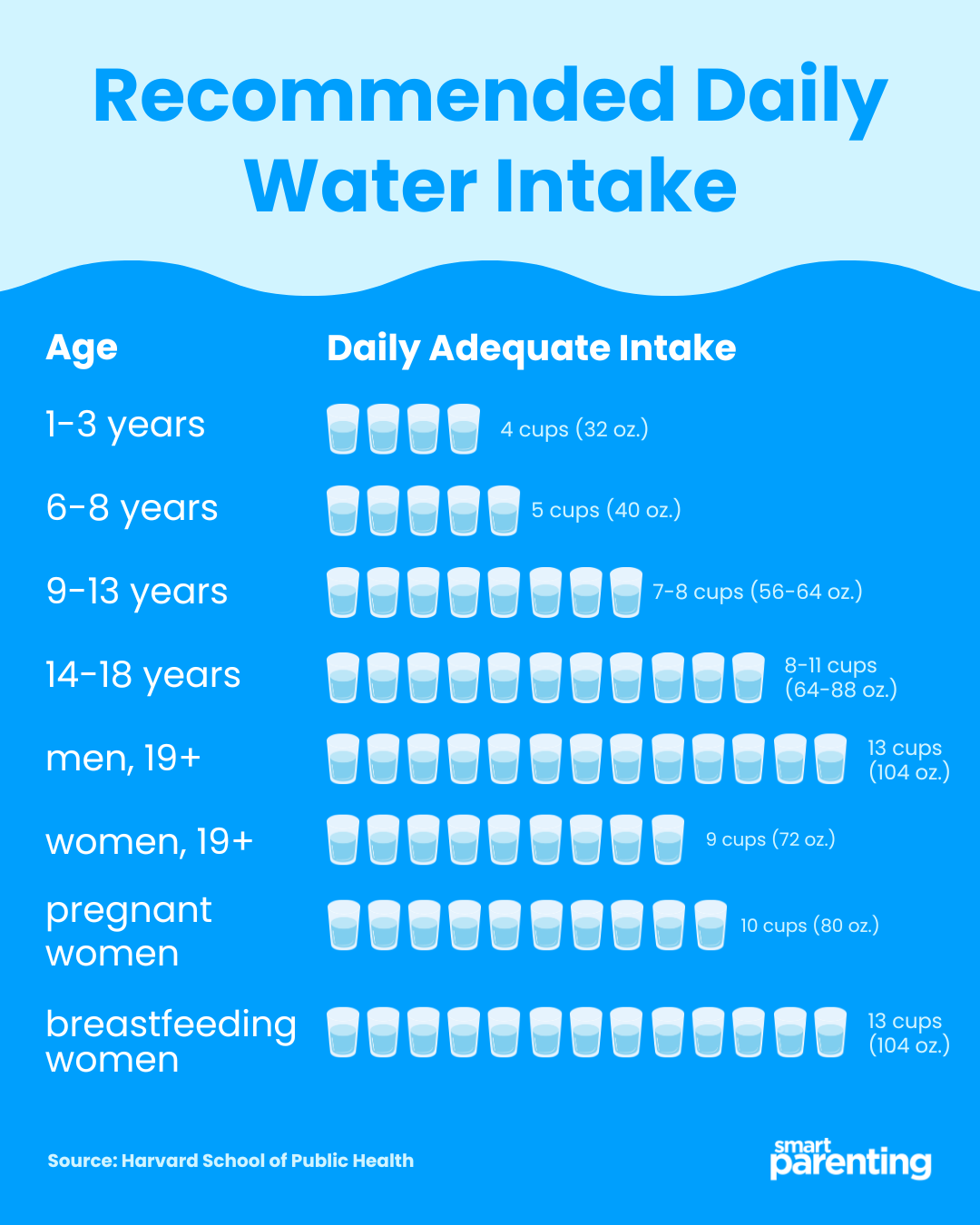
An age-old saying is to aim for "8 glasses a day," but this may not be appropriate for every person. The National Academy of Medicine recommends a daily fluid intake of 13 cups for men and 9 cups for women, with 1 cup equal to 8 ounces. However, the amount of water required may vary for people who are physically active or exposed to hot climates like us Filipinos. It may also vary for people with smaller body sizes.
Although it is ideal to follow, the recommended amount is a general guide and not a daily target. Drinking less than the recommended amount will not necessarily compromise one's health, as each person's fluid needs vary.
Below is the recommended amount of water intake based on age group, according to National Academy of Medicine:
Listening to our body's needs
Fever, exercise, exposure to extreme temperature climates, and excessive loss of body fluids will increase fluid needs, said Harvard School of Public Health. One of the ways to estimate hydration status is based on the volume and color of one's urine. A darker urine color indicates more concentrated urine, which contains less water. That said, the color of urine can also be affected by foods, medications, and vitamin supplements. Smaller volumes of urine may indicate dehydration, especially if the color is darker.
Hydrating with other drinks
Alcohol
Alcohol can suppress anti-diuretic hormone, a fluid-regulating hormone that signals the kidneys to reduce urination and reabsorb water back into the body. Without it, the body flushes out water more easily. Consuming more than a couple of drinks within a short time can increase the risk of dehydration, especially if taken on an empty stomach. To prevent this, one should take alcohol with food and sips of water.
Coffee and Tea
Meanwhile, caffeine has long been thought to have a diuretic effect that could potentially lead to dehydration. However, research does not fully support this. The Institute of Medicine has cited in a study that caffeine-containing beverages do not significantly increase 24-hour urinary output, but will not necessary lead to dehydration. Therefore, caffeinated beverages including coffee and tea can contribute to total daily water intake.
Signs of dehydration
Thirst is a good indicator of fluid needs in a healthy body, though it's not always the case. The body's regulation of fluid intake and thirst declines as we age, so older people don't feel thirsty until they're dehydrated.
According to Mayo Clinic, inadequate fluid intake can cause dehydration, which can lead to fatigue, confusion, short-term memory loss, mood changes, and other negative symptoms. This is especially relevant for older adults, athletes, people who are ill, and infants who may not have an adequate sense of thirst to replete their fluid needs. It is important to stay hydrated by drinking water throughout the day, and not solely relying on thirst or other measures to determine fluid needs.
Accessibility to safe drinking water
The Sustainable Development Goal target 6.1 aims for universal and equitable access to safe and affordable drinking water. The target is monitored with the indicator of "safely managed drinking water services." It means drinking water from an improved water source located on the premises, available when needed, and free from fecal and priority chemical contamination.
In 2022, the World Health Organization (WHO) reported that around 6 billion people had access to safely managed drinking water services. Unfortunately, 2.2 billion people still don't have the same privilege. While progress has been made, there are still noticeable gaps, especially between rural and urban areas, as well as in lower-income communities.
WHO also cited that water and poor sanitation are linked to the transmission of diseases like cholera, diarrhea, dysentery, hepatitis A, typhoid, and polio. Absent, inadequate, or poorly managed water and sanitation services expose individuals to preventable health risks, especially in healthcare facilities where patients and staff are at additional risk of infection and disease due to a lack of sanitation.
In addition to improving the management of water resources to contribute to poverty reduction or economic growth, it is crucial to prioritize efforts to enhance water for sanitation and hygiene in healthcare facilities, as this will greatly benefit public health.
Here are ways to stay refreshed with your family amidst the extreme heat.
More from sp

Lorem ipsum dolor sit amet, consectetur adipisicing elit, sed do eiusmod
Lorem ipsum dolor sit amet, consectetur adipisicing elit, sed do eiusmod
