

Early childhood is critical for brain development. Between ages one and three, a child's brain forms over a million neural connections every second, shaping how they think, feel, and learn. For parents, supporting this growth starts with play and proper nutrition.
At the "Raising Fast Learners" Similac Gain School playshop on May 31 at ActiveFun in BGC, Abbott brought together experts and parents to explore simple, science-backed ways to support brain development during early childhood.

"The brain's neural connections are strengthened by consistent, positive daily experiences, responsive caregiving, and proper nutrition. This makes early childhood a vital window for shaping long-term learning potential," said Dr. Josie Eusebio, developmental and behavioral pediatrician.
"Play builds intelligence, emotional regulation, and social skills. Sadly, many children today are glued to screens, missing out on these critical experiences. So, even just a few minutes of quality play each day can make a huge difference," added Dr. Eusebio.
That's why, together with Similac ambassadors Jennylyn Mercado and Dennis Trillo and their daughter Dylan, the workshop set aside time and space for kids and their parents to take part in fun, hands-on activities. These included building blocks and tracing exercises that help stimulate cognitive development.
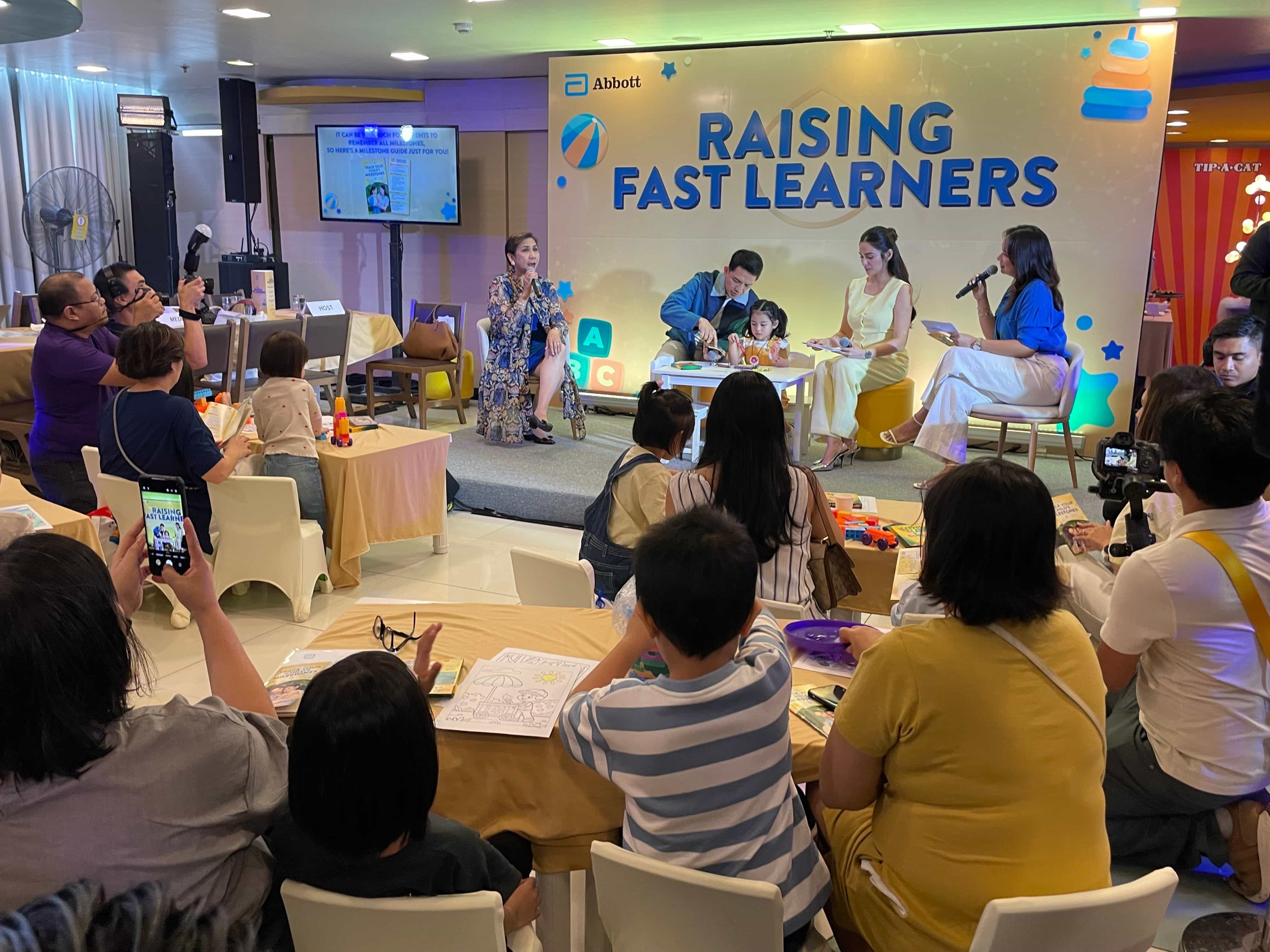
"Brain growth in early childhood is rapid, and what parents do during this stage matters," reminded Dr. Eusebio. "Simple activities like tracing, sensory play, and asking thougthful questions help build the essential skills that support faster learning."
Why Gangliosides Matter in Brain Development
Dr. Eusebio explained that brain development in toddlers happens through three main processes: neurogenesis (creation of brain cells), synaptogenesis (formation of connections), and myelination (improving communication between brain cells). These are the building blocks for learning and memory.
Gangliosides are natural lipids found in the brain that play a key role in forming strong connections between brain cells. These connections are essential for memory, focus, and learning. When children get enough gangliosides through their diet, their brains can build these connections more quickly, helping them learn faster.
During the playshop, experts highlighted how gangliosides can make a difference when included in a child's diet.
"Nutrition with added gangliosides has been identified to help improve IQ scores in young children," said Dr. Jose Rodolfo Dimaano Jr., medical director for Abbott's nutrition business in Asia Pacific.
Dr. Dimaano Jr. explained that gangliosides naturally occur in foods like fish and dairy products. Other good sources include egg yolks and meats such as beef, pork, and chicken, all of which help support brain cell connections and cognitive development.

More Ways Parents Can Support Brain Development
Parents can support their child's brain development in many ways beyond play and nutrition. One of the most effective methods is through daily interactions that encourage curiosity and communication.
Talking, reading, and singing help build language skills and strengthen the brain's neural connections. During the event, Dennis shared that Dylan became a fast learner of speaking because she engaged with adults frequently from an early age.
Another important factor is limiting screen time. When kids spend too much time in front of screens, they miss out on hands-on play and real-world exploration, which are crucial for brain growth. Experts suggest focusing on interactive activities that spark imagination and develop problem-solving skills to encourage active learning.
Finally, practice responsive caregiving. When parents notice and respond consistently to their child's needs, it creates a sense of safety that directly strengthens brain development. These strong emotional bonds also help build neural pathways that support confidence, emotional regulation, and learning.
While it's natural for you to always observe how your child grows, avoid comparing their milestones to others. Every child develops at their own pace, and what really matters is the consistent love and support you give.
Click here for baby games that boost brain development.
More from sp

Lorem ipsum dolor sit amet, consectetur adipisicing elit, sed do eiusmod
Lorem ipsum dolor sit amet, consectetur adipisicing elit, sed do eiusmod
