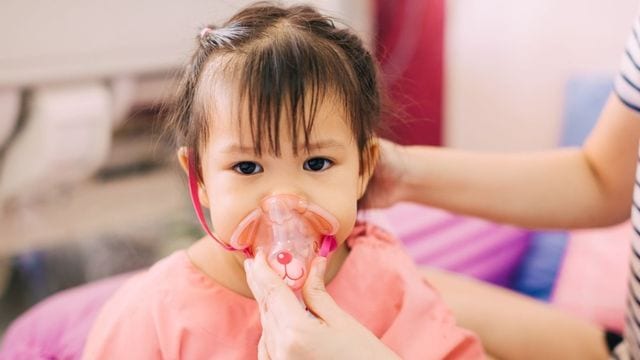
Tuberculosis (TB) in Filipino children is a real concern. To address this, Doctors Without Borders (MSF), the Manila Health Department (MHD), and the University of the Philippines Manila (UP Manila) have teamed up to implement a new, shorter treatment, as reported by this news article. This approach reduces the treatment time from six months to four months.
ALSO READ: Hindi Namamana Ang Tuberculosis, Pero Naipapasa Ang Sakit Sa Ganitong Paraan
Shorter TB Treatment for Children
Children with non-severe TB can complete their treatment in four months and be considered cured, following the World Health Organization (WHO) guidelines and the Department of Health (DOH). Previously, children had to undergo a six-month treatment course, but studies have shown that the shorter regimen is just as effective.
The new guidelines are being rolled out in Tondo, Manila, with MSF working closely with the MHD. As part of the implementation, doctors and TB nurses from 15 health centers in the area were trained on the latest practices, including chest X-ray interpretation, TB screening, and the new treatment protocols. This training ensures that healthcare workers can deliver the best care possible to young patients.
The new treatment regimen, recommended for patients aged three months to 16 years with non-severe drug-susceptible TB, is known as 2HRZE/2HR. It involves a two-month initial phase using four TB drugs, followed by a two-month maintenance phase using just two drugs.
Joining a growing number of countries implementing the WHO's updated guidelines, the Philippines makes a significant move in the global effort against TB. With the reduction in treatment time, these new guidelines aim to simplify the process, offering better and faster recovery outcomes for children affected by TB.
Tuberculosis in Children
According to the Centers for Disease Control and Prevention (CDC), tuberculosis is an infection caused by Mycobacterium tuberculosis that primarily affects the lungs. However, it can also spread to other body parts like the brain, kidneys, or spine. Not everyone infected with TB germs develops illness, resulting in latent TB (inactive TB) and active TB disease.
Inactive TB (Latent TB) occurs when TB germs remain in the body without causing illness. Children with latent TB do not feel sick, have no symptoms, and cannot spread the disease. However, medication can prevent them from developing active TB disease.
Active TB Disease: When the immune system can't stop the TB germs from growing, they become active. Active TB disease makes children sick and can spread to others. Children, especially those under five, are more likely to develop severe forms of TB, like TB meningitis or miliary TB.
TB spreads through the air when an infected person coughs, speaks, or sings. Children who breathe in the germs may get infected, though they are less likely to spread TB themselves.
The BCG vaccine, given in TB-endemic countries, protects children from severe TB forms like TB meningitis, though it may cause false positives in TB tests.
Treatment is critical for TB management in children, and completing the full course of medication is necessary to ensure recovery and prevent drug resistance.
Click here to learn more about TB in children.
More from sp

Lorem ipsum dolor sit amet, consectetur adipisicing elit, sed do eiusmod
Lorem ipsum dolor sit amet, consectetur adipisicing elit, sed do eiusmod