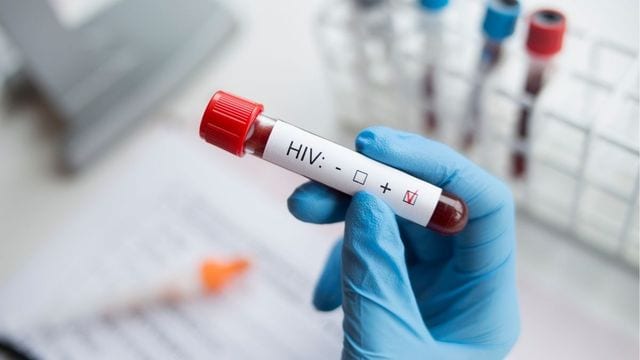
Department of Health (DOH) Secretary Ted Herbosa has raised the alarm over the rapid increase in HIV cases in the Philippines, now considered the fastest-rising in the world. Currently, the country is recording 57 new cases every day.
ALSO READ: Why Our Kids Need the Sex Talk: HIV Affects the Youth Aged 15 to 24
"Fifty-seven new cases a day. 500 percent increase ito. Tayo ang pinakamataas sa numero ng new cases of HIV sa buong mundo. Iyon ang nakakaalarma," shared the Health Secretary in a radio interview on Sunday, June 1.
While the DOH has launched programs to curb the spread, Herbosa said the situation needs stronger national action. He even called on President Ferdinand Marcos Jr. to declare a national public health emergency focused on HIV.
"May mga programa kami na inumpisahan. Ako nga ay nanghihingi ng request sa Presidente na mag-issue rin ng national public health emergency diyan sa problema ng HIV, hindi sa Mpox. Sa HIV tayo may problema," he said.
What's especially alarming for parents is the rising number of HIV cases among younger adolescents, some of whom are just entering their early teens.
"Mayroon tayong 12-year-old, nagse-sex na siya, sa Palawan, positive. Ang bata. Before that 15 'yung pinakabata," said Herbosa.
Despite the alarming rise in numbers, Herbosa reminded the public that HIV is no longer a death sentence, as long as people get tested and treated early.
"Ang HIV ngayon nagagamot na, basta ma-test ka at mabigyan ka ng tinatawag na anti retroviral," he said.
According to DOH data, 5,101 confirmed HIV-positive individuals were reported to the One HIV/AIDS & STI Information System (OHASIS) from January to March 2025. Of these cases, 1,122 individuals were already in an advanced stage of HIV infection at the time of diagnosis, which is signifcantly higher than the previous year.
Of the newly reported confirmed HIV-cases this period, 95% were males while 5% were females. Among the youth, 30 were under 15 years old at the time of diagnosis, and 1,686 were aged 15 to 24.
In the first quarter of this year, 4,899 people got HIV through sexual contact — 3,645 through male-male sex, 705 through male-male/female sex, and 549 through male-female sex. The data doesn't indicate if all sexual contact was consensual. Another 12 got HIV from sharing infected needles, 17 from mother-to-child transmission, and 173 had no information on how they got the virus.
What Is HIV?
Human Immunodeficiency Virus (HIV) attacks the body's immune system. When left untreated, HIV can progress to Acquired Immunodeficiency Syndrome (AIDS), the most advanced stage of the infection.
According to the World Health Organization (WHO), HIV targets white blood cells, weakening the immune system and making the body more vulnerable to illnesses like tuberculosis, infections, and certain cancers.
The virus spreads through body fluids such as blood, breast milk, semen, and vaginal fluids, but not through casual contact like kissing, hugging, or sharing food. It can also be transmitted from mother to child.
HIV can be prevented and treated with antiretroviral therapy (ART), which helps people live longer, healthier lives.
What Parents Can Do
Parents play a crucial role in protecting their children from HIV. Start open and age-appropriate conversations about sexual health early, encourage regular health check-ups and HIV testing, and create a supportive environment where your children feel safe to ask questions. Staying informed and connecting with community resources can help you guide your children toward healthy choices.
Click here for more tips on how to start sex education, with guidance from an expert.
More from sp

Lorem ipsum dolor sit amet, consectetur adipisicing elit, sed do eiusmod
Lorem ipsum dolor sit amet, consectetur adipisicing elit, sed do eiusmod