The World Health Organization (WHO) declared the ongoing mpox outbreak in Africa a global health emergency on Wednesday, August 14.
This decision comes amid rising concerns over a more dangerous strain of the virus, known as clade Ib, which has now spread to new countries in Africa that were previously unaffected, namely Burundi, Kenya, Rwanda, and Uganda.
Since the start of the year, over 17,000 mpox cases and more than 500 deaths have been reported across 13 African countries, as per Africa Centers for Disease Control and Prevention. The Democratic Republic of Congo has seen the majority of cases, with over 14,000 reported this month alone.
ALSO READ: First Human Case of B Virus Reported in Hong Kong
What is Mpox?
Mpox, previously known as monkeypox, is a viral disease that can spread between people and from infected mammals. It can be transmitted through close contact such as touching, kissing, or sexual activity, as well as through contaminated items like sheets, clothing, and needles.
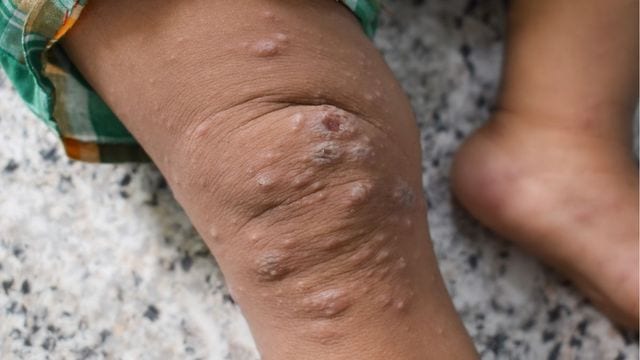
The symptoms for mpox include skin rash or mucosal lesions, accompanied by fever, headache, muscle aches, back pain, low energy, and swollen lymph nodes, cites WHO.
Those typically at higher risk of more severe symptoms include people who are pregnant, children and persons that are immunocompromised, including people with untreated and advanced HIV disease.
Originally confined to Central and West Africa, mpox spread to Europe and North America in 2022. That same year, the Philippines reported its first-ever case of mpox. WHO also declared it a global health emergency—the highest level of alert under international health law—in July 2022 but lifted the status in May 2023.
Mpox has two main genetic clades: I and II. Clade II was responsible for the 2022 outbreak, but the more severe clade Ib is now causing concern. WHO Director-General Tedros Adhanom Ghebreyesus explained that the situation involves multiple outbreaks with different clades and varying transmission patterns.
Vaccines against mpox are MVA-BN, LC16, and OrthopoxVac. Developed from smallpox vaccines, these mpox vaccines are approved for prevention. However, vaccination is recommended only for those at high risk, such as close contacts of infected individuals. Mass vaccination is not currently advised says WHO.
How to Prevent Mpox in Your Household
There are no new cases of mpox in the Philippines at present, but to help protect your family from potential infection, follow these preventive measures:
Avoid close contact
Limit physical contact with individuals showing symptoms of mpox or with animals that may be infected.
Maintain good hygiene
Regularly wash your hands with soap and water, and avoid touching your face, especially if your hands are not clean. Generally, a good hand hygiene is crucial in preventing the spread of infectious diseases.
Disinfect contaminated items
Always clean and disinfect shared items like bedding, clothing, and utensils. Ensure they are properly laundered to eliminate potential virus contaminants.
Seek medical advice
If you or your child develop symptoms such as a rash or fever, consult a healthcare provider promptly for diagnosis and treatment. Early medical intervention is key to managing and containing the disease.
Moreover, several diseases, including chickenpox, smallpox, and shingles, share symptoms with mpox. So, accurate diagnosis and treatment require consulting a healthcare provider.
Follow the link to learn how to determine if your child's rash might be a sign of mpox.
What other parents are reading

Lorem ipsum dolor sit amet, consectetur adipisicing elit, sed do eiusmod
Lorem ipsum dolor sit amet, consectetur adipisicing elit, sed do eiusmod