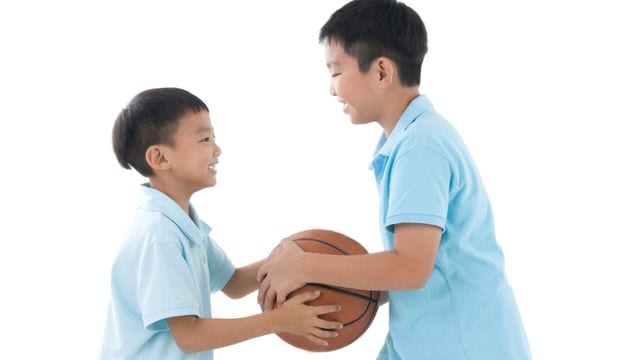
Juliana Gomez, Yohan Agoncillo, Scarlett Kramer, Kiel Sotto–aside from having celebrity parents, these kids also have another thing in common: they are multi-awarded young athletes. Their involvement in sports has not only brought them recognition but also contributed significantly to their overall being.
In today’s world, where screens dominate much of children’s free time, engaging in physical activity is more crucial than ever. Ample physical activity is always included in the things we have to do to minimize our risks for certain illnesses. So it’s no surprise that parents increasingly recognize the value of involving their children in sports, not only to keep them active but also to impart lifelong skills and benefits.
Key benefits of children participating in sports
1. Better physical health
According to the 2021 Expanded National Nutrition Survey (ENNS) conducted by the Department of Science and Technology-Food and Nutrition Research Institute, 3.9% of Filipino children aged 0 to 5 years old are obese, and 26.7% of children under 5 years old are stunted. Additionally, a study by the University of the Philippines Diliman College of Kinetics, in collaboration with the Active Healthy Kids Global Alliance (AKHGA) and supported by Sun Life Philippines, reported that the country received a failing grade on children’s physical activity levels. The failing grade means that the country has a long way to go in promoting and implementing overall physical activity for children and teens.
Participating in sports is a good way to get kids up and moving. Regular physical activity through sports helps children burn calories, boosts cardiovascular health, improves metabolism, and enhances strength and mobility. Moreover, studies have shown that active children sleep better and longer, which is crucial for their development and overall well-being.
2. Better mental health
We have always heard that “exercise releases endorphins,” and endorphins, often referred to as “happy hormones,” play a crucial role in relieving pain, reducing stress, and enhancing our overall sense of well-being. Additionally, exercise increases serotonin, which helps regulate moods and promote feelings of happiness and calm. Engaging in sports can, therefore, have a profound impact on children’s mental health, improving their mood and reducing symptoms of anxiety and depression.
Moreover, the social aspects of sports, such as participating in team activities and achieving shared goals, can significantly boost children’s self-esteem and confidence. A study conducted in Australia further affirmed the benefits of sports participation in children’s long-term mental health. According to Associate Professor Asad Khan from University of Queensland’s School of Health and Rehabilitation, “Consistent participation in sports from childhood is associated with better mental wellbeing amongst adolescents. Our research looked at the benefits of team sports such as football, cricket, or netball, and individual sports like karate, tennis, or gymnastics.”
“We found there was a positive impact on mental health regardless of the type of sport, however, children who played in a team experienced greater benefit. This could be due to the social aspects involved such as being surrounded by supportive peers, opportunities to form friendships, and working towards a collaborative goal.”
3. Better friendships and social connections
This then leads to another benefit: sports also provide a unique platform for children to build social skills and establish strong friendships and connections. Participation in youth sports can bring kids with similar interests together, allowing them to work together towards common objectives. This environment teaches them the importance of teamwork, healthy competition, and good sportsmanship. It also encourages empathy, as they learn to consider the perspectives and feelings of their teammates and opponents.
The friendships and social connections formed through sports can be long-lasting, providing a support network that extends beyond the playing field.
4. Better academic performance
While some parents may worry that participation in sports might negatively affect their children’s school performance, research shows the opposite. In a study published in the Journal of Physical Activity and Health, researchers found that “continued sports participation during school years was linked to lower absenteeism, better attention and memory, higher NAPLAN and end-of-year school scores, and higher odds of studying at university.” NAPLAN stands for the National Assessment Program-Literacy and Numeracy, an ongoing national assessment program in Australia.
The discipline, time management, and goal-setting skills developed through sports often translate into better study habits and academic success.
5. Learn important life skills
Participating in sports provides children with invaluable life skills that extend beyond physical health and social interactions. Some life skills they can develop as they participate in sports activities, include:
- Teamwork and collaboration: Working with others towards a common goal.
- Resilience and perseverance: Overcoming challenges and setbacks.
- Discipline and time management: Balancing their responsibilities at home, school, and team.
- Leadership and communication: Effectively communicating their ideas.
- Sportsmanship and fair play: Respecting their coaches, opponents, and officials.
- Goal setting and motivation: Working to continuously improve themselves.
At the same time, children can learn life skills from sports, such as:
- Self-confidence and self-esteem: Children learn to overcome challenges, improve skills, and receiving recognition for their hard work and contribute to their overall well-being.
- Decision-making and problem-solving: Children learn to assess situation, make informed choices, and adapt strategies.
- Adaptability and flexibility: Children learn to think and adapt quickly, in response to the fast-paced situations in sports activities.
- Conflict resolution and negotiation skills: Children will learn how to respond to conflicts, whether it’s with an opposing team or within their own.
- Time management and priority setting: Sports requires children to balance their time effectively and identify their priorities.
- Empathy and inclusion: Participation in sports allows children to be exposed to other kids who might have different backgrounds and abilities, which then teaches them understanding, respect, and empathy.
- Stress management and emotional regulation: Sports often involve high-pressure situations, and exposure to such teaches children how to handle stress, manage their emotions, and still perform to the best of their abilities.
- Accountability and responsibility: Through sports, children learn that their actions can impact not only themselves, but other people, such as their team as well.
- Adaptability to change: Children can learn to adapt quickly to new circumstances and different game strategies.
Ultimately, the benefits children can get from sports encompass their physical, mental, and social well-being. Whether it’s the joy of scoring that point, the relationships built, or life lessons learned along the way, sports can help shape kids into well-rounded, healthy, and happy individuals.
Read here for secrets only outdoorsy kids know.
What other parents are reading

Lorem ipsum dolor sit amet, consectetur adipisicing elit, sed do eiusmod
Lorem ipsum dolor sit amet, consectetur adipisicing elit, sed do eiusmod