
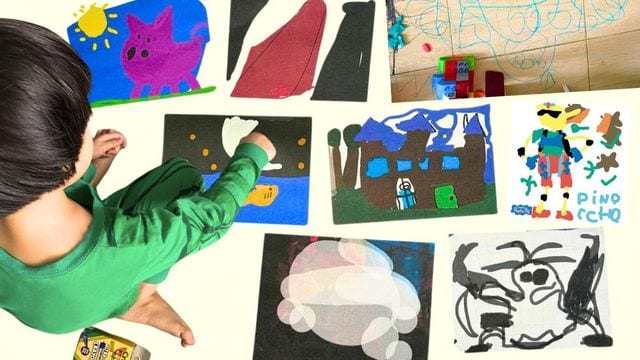
My son is one of the 1 in 100 children worldwide diagnosed with autism spectrum disorder (ASD), a condition that affects brain development in ways that are as diverse as the children who live with it. Some autistic children speak early, others take time. Some excel academically, others struggle in ways that standardized tests will never understand. Some need lifelong support, while others navigate the world independently. But like any story on parenting, no two journeys are the same, and yet, at its core, every path needs understanding, respect, and love.
My son learns on his own timeline. Some things like having simple social skills come slowly, requiring patience and repetition. But his exceptional vocabulary and ability to memorize all world capitals and currencies at age five, or identifying what is patella (and dozens of other bones) at age two, appear as if from nowhere, the dazzling burst of knowledge reminding me that his mind is working in ways I may never fully grasp.
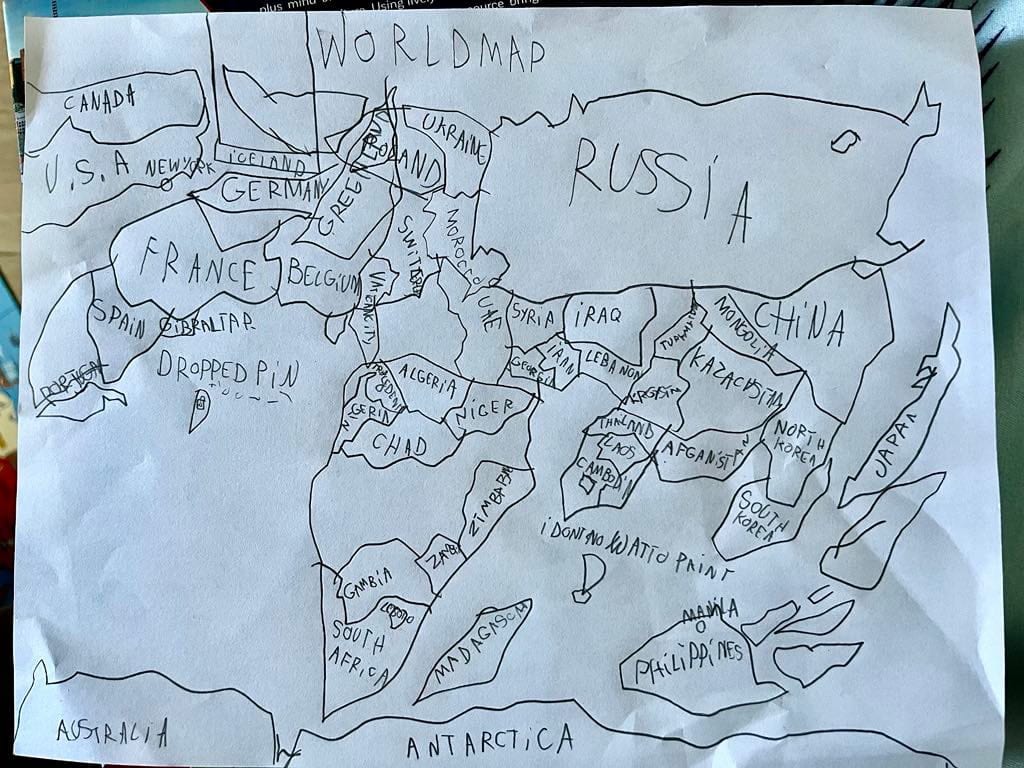
Seeing him grow into a young, smart seven-year-old feels like watching the world unfold through a kaleidoscope—beautiful, intricate, unpredictable. When he is sad, he cries like it’s the end of the world. When he is happy, he beams like he has won the lottery. I look at having a child on a spectrum as having any other neurodivergent child. It feels like standing at the edge of a vast ocean, knowing that the tide will shift but never quite certain when or how. That, simply, is parenting.
And yet, I won’t say it’s harder. Or easier. I won’t say the victories are sweeter or the struggles heavier. Because parenting isn’t something to be weighed and measured, as if love could be quantified, as if one journey could ever be held up against another for comparison.
'I don’t ask for admiration. I don’t ask for pity. I ask only for what every parent wants—for our children to be loved, to be understood, and to be given the space to grow into exactly who they are meant to be.'
At the heart of it all, my son is simply a child. When he is scared, I comfort him (and sometimes I still fail him). When he can’t find the words, or is talking too much to calm himself, I hold his hand. When the world feels too loud, too fast, too much—I slow it down with him. Because isn’t that what every child needs? A hand to hold, a voice to reassure, a love that does not waver. Neurotypical or neurodivergent, all children seek the same things: to be understood, to be safe, to be loved for exactly who they are, to allow them to thrive to the fullest of their potential.
He sees the world differently, yes, but doesn’t every child? His thoughts are vivid and unfiltered, sometimes leaping ahead of mine, sometimes trailing behind, winding their way through paths I never considered. When something fascinates him, I can almost hear the gears in his mind turning, a silent orchestra of connections and curiosity. His reasoning can be extreme, black and white, unwavering in its logic, but what child doesn’t see the world in bold strokes before time softens the edges?
What I do know is this—love is universal. Respect is universal. The need to be seen, heard, valued—that is universal. My son deserves these things, not because he is autistic, but because he is himself. Because every child, regardless of how their mind works, deserves to be met with kindness.
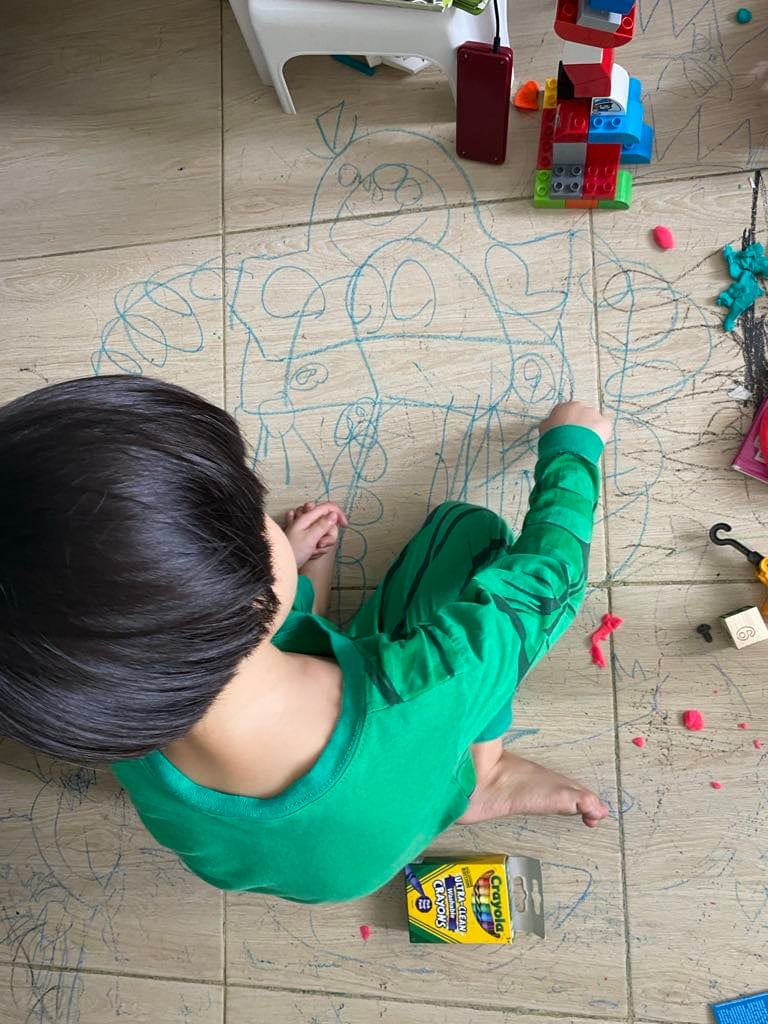
Yes, we will continue to advocate for inclusion. But not the kind that turns into a label, that separates rather than integrates. True inclusion isn’t about placing him in a space and calling it fair—it’s about making sure that space sees him, values him, needs him, just as much as anyone else in the room.
So today, on World Autism Day (or any other day, for that matter), I don’t ask for admiration. I don’t ask for pity. I ask only for what every parent wants—for our children to be loved, to be understood, and to be given the space to grow into exactly who they are meant to be.
And, (with apologies to Max Ehrmann) my son is a child of the universe, no less than the trees and the stars; he has a right to be here. His mind may work differently, his path may not look like everyone else’s, but he is not less, not separate, not incomplete. Whether or not the world always understands him, whether or not the road ahead is clear, know this: he is unfolding exactly as he should. He is loved, he is enough, and he belongs.
Tiffany Reyes is a mom to a seven-year-old boy who has been diagnosed with autism spectrum disorder (ASD). She and her husband have one child.
Join Smart Parenting Village to connect with other parents raising neurodiverse children and find support.
More from sp

Lorem ipsum dolor sit amet, consectetur adipisicing elit, sed do eiusmod
Lorem ipsum dolor sit amet, consectetur adipisicing elit, sed do eiusmod
