Nag-Bus Mag-isa: How This Mom Balances Safety and Independence
"For us, true protection is teaching our children how to navigate the world before the world teaches them otherwise."
Published on Jul 10, 2026
As Filipino parents, our worries for our children seem to grow every day. Hardly a day goes by without heartbreaking news involving children. It's easy to want to keep them in a safe bubble, shielding them from even the slightest danger.
So when a video of a four-year-old boy riding public transportation on his own went viral, the internet, and netizens' collective parenting instincts, immediately went into overdrive.
“Possible ba talaga?”
“Hala kaya na niya mag isa?”
“Buti walang nangyaring masama sa kanya!”
“Nasaan ang parents niya?”
Needless to say, the video was polarizing.
While many expressed amazement, others believed the adventure was downright irresponsible.
The boy’s parents were scrutinized, called out, and subjected to public judgment.
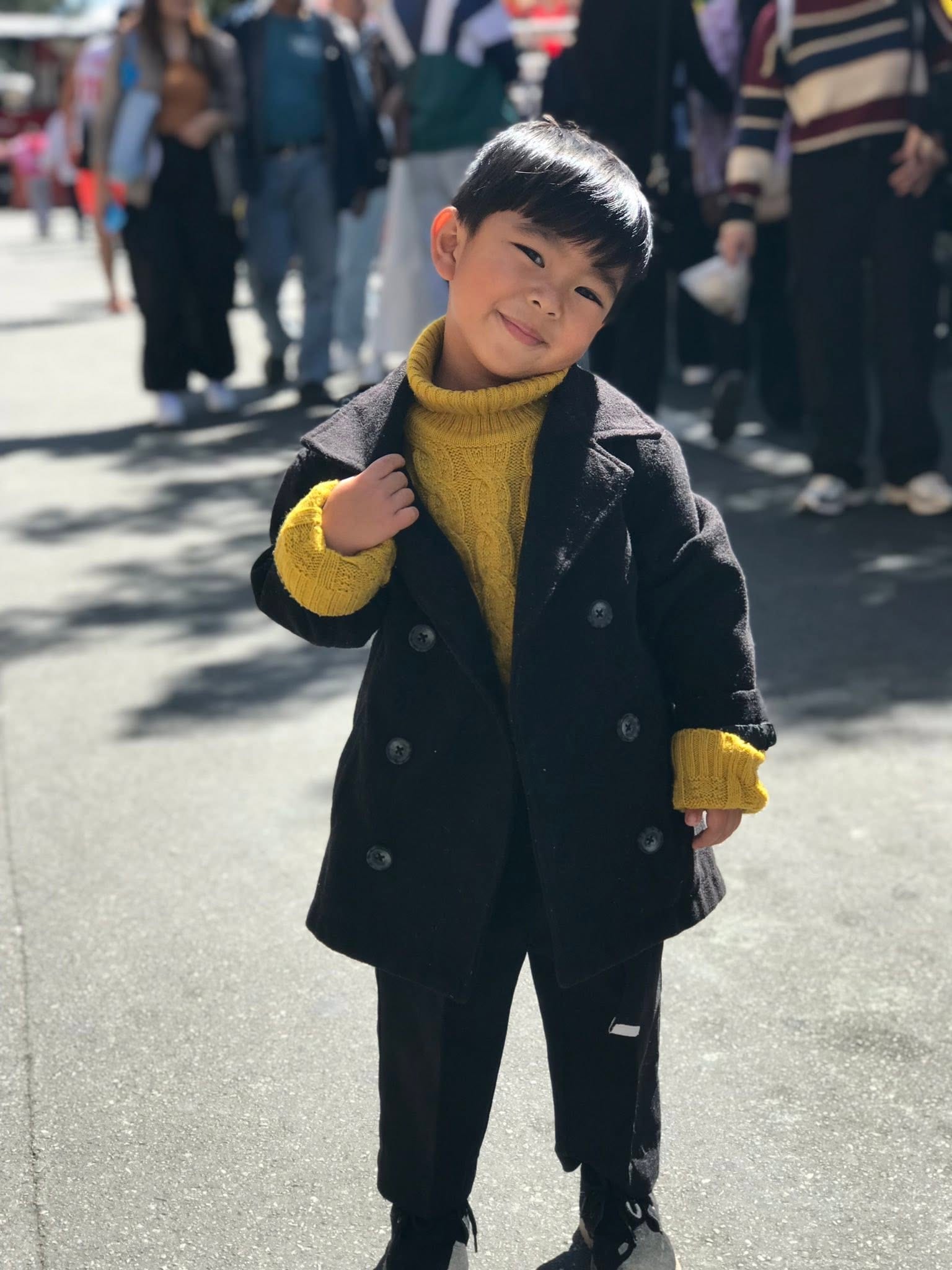
In a world that rarely encourages this kind of independence, one question remained: What would drive a parent to let their child ride the bus alone?
In an interview with Smart Parenting, Mommy Alyzza Dacayanan shared the real story behind this bold parenting choice.
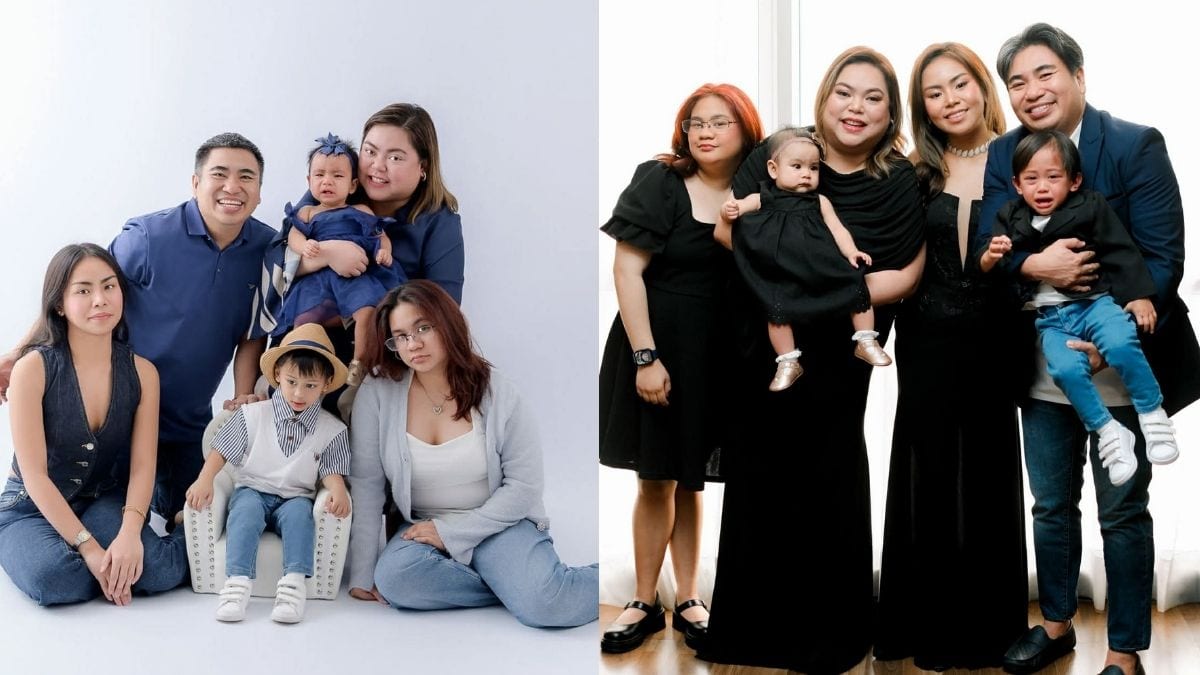
Mom of Four and Illo's Founder Shares Secret: Be Present
Read hereWhy A Little Boy’s Independence Sparked a National Conversation
It started as a simple video meant for family group chats to show off their little one’s growing independence. But when Alyzza posted the clip of her son, fondly called Tamtam, riding a jeepney/e-bus on his own, the internet's reaction caught the family completely off guard.
Within just two days, the video had racked up millions of views, thousands of comments, and countless online discussions.
Today, the video has surpassed 17 million views, turning a lighthearted family moment into a nationwide parenting debate. While many cheered, others questioned whether the setup was safe.
"The mixed reactions were intense," Alyzza admits, reflecting on the flood of comments that filled her notifications. "I think many people were triggered by the original caption where I jokingly said, 'Let him ride the jeep alone.' It was not meant to be taken seriously, but when the video reached millions, it was a different story."
For those living outside of Baguio, the sight of a young child commuting alone was shocking. But for the local community, Tamtam’s jeepney ride was entirely possible.
"I understand why people were confused," Alyzza explains. "But here in Baguio, this kind of arrangement is fairly common. It’s really safe here. We can trust that our kids will be looked after. People who aren't from here don't always understand the context of our daily life."
Dealing With Online Judgment
As the criticism mounted, Alyzza felt the sting of being judged as a mother.
"At first, it stung. People were asking, 'How could you just let him go?' But as parents, we would never put our child in harm's way."
Far from being a reckless decision, Tamtam’s jeepney ride was the result of months of careful, structured planning.
The training was intentional and gradual. In the beginning, the goal was simply to build his confidence and navigation skills. During his first attempts at independence, his grandmother was there to oversee him from a distance. She would coordinate with the parents of his classmates to ensure he was heading in the right direction, all while quietly following him from a distance (without Tamtam knowing).
To Tamtam, he was doing things on his own. In reality, his lola was discreetly keeping an eye on him to ensure his safety.
The foundation of Tamtam’s independence was also built through simple, everyday errands rather than big risks.
"We didn’t just let him go one day out of the blue," Alyzza explains. "We started small like asking him to run simple errands to the store near our house. At first, he was hesitant, but we kept encouraging him. Once he got the knack of those small tasks, his confidence grew. He went from being scared to being the one asking, 'Mama, what do I need to buy?'"
"We don't believe in using gadgets as a babysitter," Alyzza shares. "We wanted to raise him to be capable.'"
When it came time to try the commute, the process was carefully supervised. They mapped out the route, ensuring it passed by several family businesses where relatives could keep an eye on him.
“That specific ride was actually unexpected," she clarifies. "His dad was supposed to pick him up on his motorcycle, but he forgot his helmet. So he had him hop on the jeep instead while Dad followed closely behind on his motorcycle the entire time, keeping his eyes on him. We were waiting at his stop to meet him. It was a learning experience for him, and honestly, he was so excited. When we asked him if he wanted to try riding the jeep alone, he shouted, 'Yes!' He was so proud of himself for doing it."
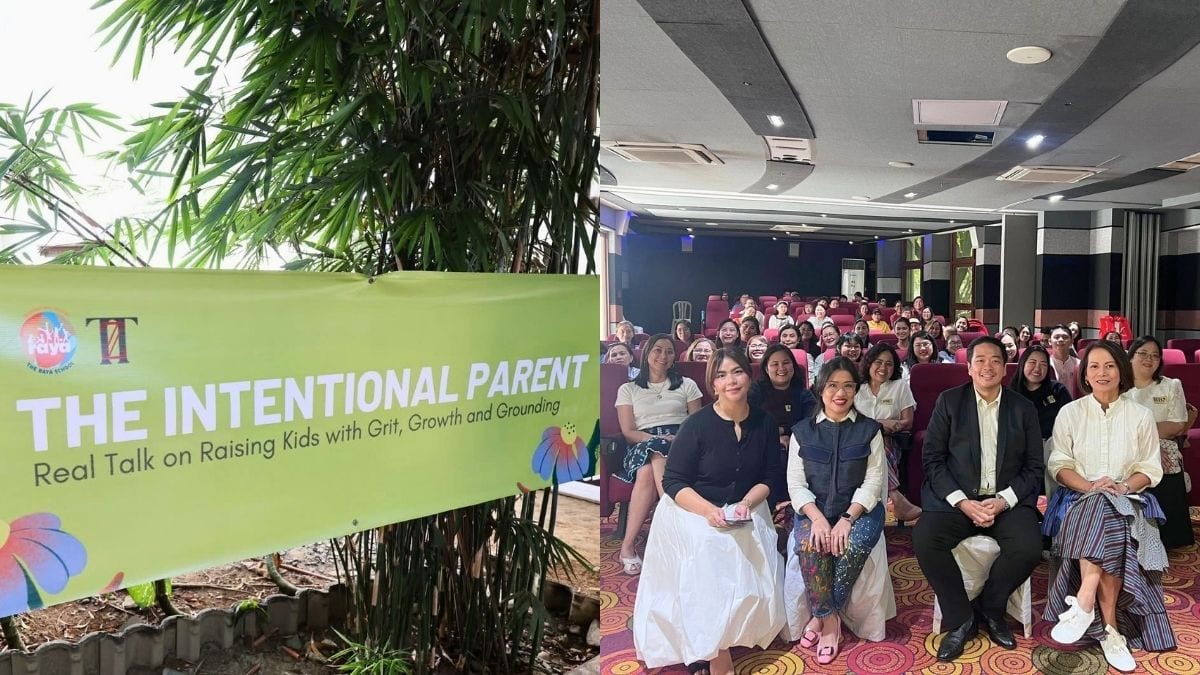
Raising Kids with Grit: Insights from “The Intentional Parent” Conference
Read hereFinding the Balance Between Protection and Independence
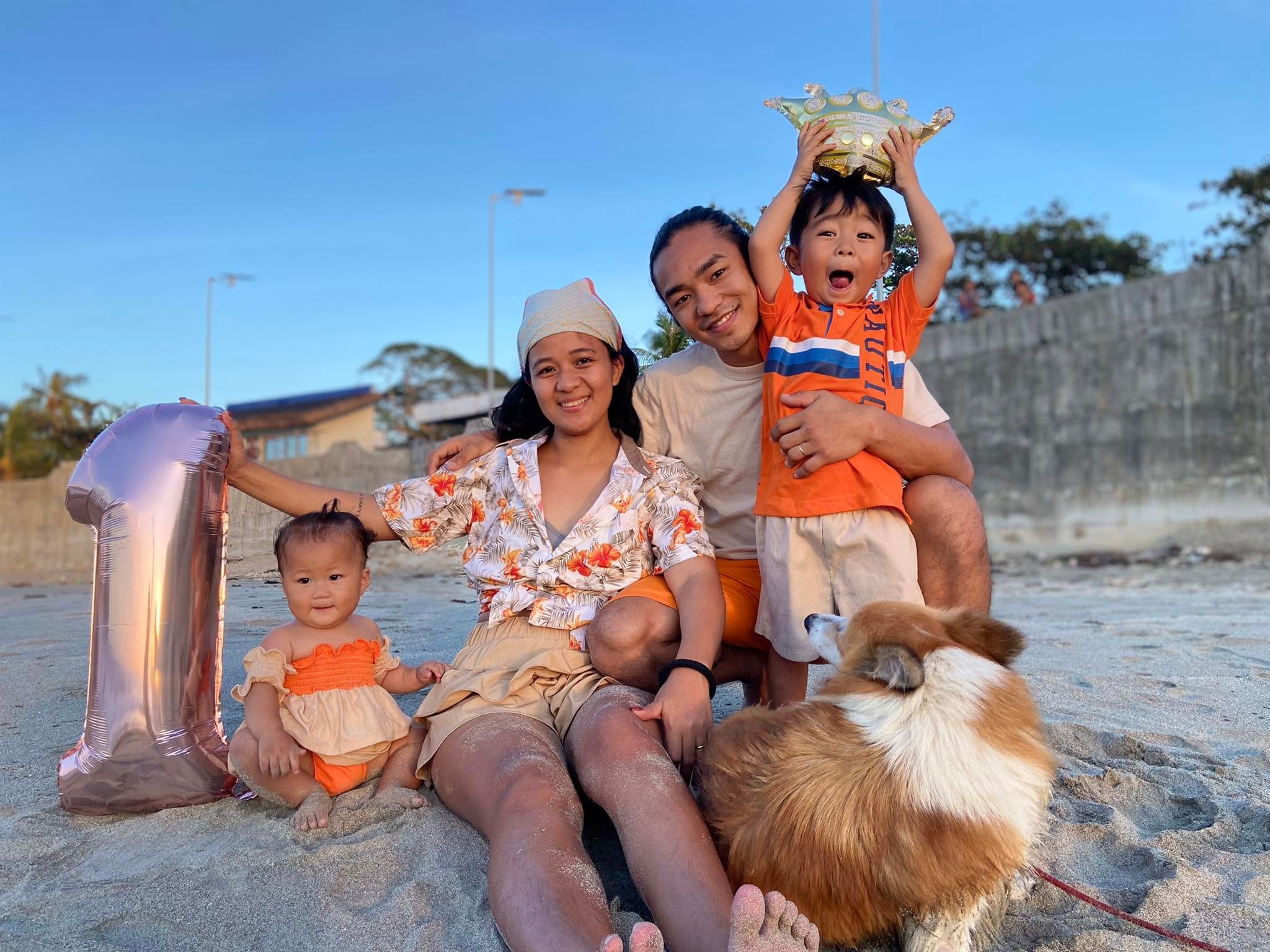
For many parents living in the hustle and bustle, and safety concerns of Metro Manila, the sight of a child confidently navigating a commute alone feels like a distant memory from another era. Today, headlines are filled with reasons to keep our children close, and the instinct to overprotect has become a natural response to a world that feels increasingly unpredictable.
Yet, when Alyzza’s video of Tamtam went viral, it sparked more than controversy. For many viewers, it stirred a deep sense of longing.
"I think that video touched a nerve because it represents a dream many parents have," Alyzza says. "We remember being that age and having that sense of freedom. Seeing a child navigate the world without fear is refreshing, even if it feels impossible in our current environment."
For parents caught between the desire to raise independent children and fearing for their safety, how do we find the balance?
Mommy Alyzza shared her thoughts with us.
#1: Trust the Power of Community and Culture
Alyzza is quick to point out that her parenting style is deeply rooted in her environment.
Living in Baguio City, she benefits from a close-knit community where, as she puts it, "everyone looks after everyone else’s children."
"Here, it’s normal for neighbors to look out for one another’s kids," she explains. "If they see my children playing near the sidewalk, they’ll gently steer them back, just to make sure they’re safe. The community’s kindness and care is a huge part of why we feel confident."
But what about parents living in places where that same sense of community is harder to find?
Alyzza believes the answer starts with refusing to let fear define how we raise our children. While she acknowledges that the world isn’t perfect, she refuses to let fear dictate her son’s development.
#2: Parenting is Preparation
"We don’t believe in keeping them inside the house and calling it protection," Alyzza says. "For us, true protection is teaching our children how to navigate the world before the world teaches them otherwise. We have a responsibility to teach them how to survive and how to move through their environment safely."
This doesn't mean abandoning caution. It means replacing "Be careful!" with intentional preparation.
For Tamtam, that includes a set of daily declarations before school: Pray, drink water, listen to your teacher, don’t fight, don’t go with strangers, and be patient.
Trust as a Foundation
Perhaps the most profound takeaway from Alyzza’s parenting approach is trust.
By allowing Tamtam to handle small errands, she’s telling him: I trust you, I believe in you.
"When you give them the chance to try, you’re showing them that you trust their capabilities," she explains. "If you always choose to live in fear, it’s the children who suffer the most. They lose the chance to build resilience."
For parents who feel anxious every time their child tries something new, Alyzza offers a gentle perspective:
Confidence is built in increments, so it’s totally okay to start small. You can start with buying items at a nearby store, or navigating a commute that feels familiar to your kid.
Give them the tools, the rules, and the reminders they need to stay safe, then trust them to use them.
For their family, prayer and faith give them peace of mind.
"Accidents are inevitable, whether you’re outside or inside the house," she says. "But when you root your parenting in faith and clear guidance, you can move forward with confidence."
Ultimately, the goal isn't to force our children into the world before they are ready, but to ensure that when they do step out, they do so with the resilience and wisdom of a generation that knows how to thrive—no matter the environment.
Mommy Alyzza leaves parents with this simple but powerful thought:
"Instead of just saying 'Be careful,' maybe the best thing we can do is ask, 'Do you think you can do this?' and then, with all our hearts, believe that they can."
Judy Ann Santos-Agoncillo taught 'Kolehiyala' Yohan how to ride public transport; Ryan approves 'Yaaan! Survival skills!'
My Kids Don't Have Smartphones, This Uncomfortable Feeling is Why
Read hereGiulia is a milkshake-fueled Psychology graduate student, SEO enthusiast, and proud mom to her son, Eli. When she isn’t buried in her studies or helping brands grow, you can find her dreaming up new stories. She loves blending a little bit of psychology with the real-life, messy adventures of parenting.
Read more stories about