
Editor's note: Quotes have been edited for clarity.
TW: death
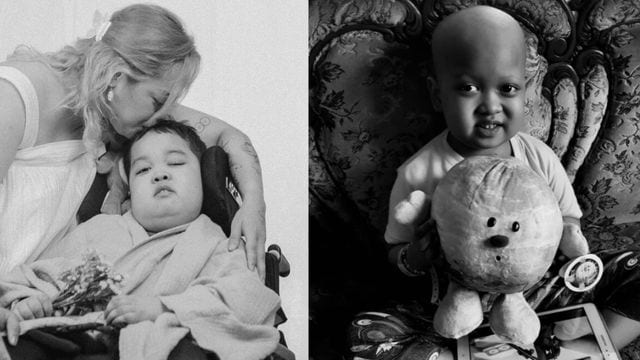
“There are days when my grief is peaceful and there are days when it's debilitating like I don't want to get out of bed anymore,” shares Jesrora Zapanta, known as Gem to her families and friends, a mother of three boys who recently lost one of his sons to cancer.
“Grief for me is not linear,” the 37-year old mom adds.
“On those days that are calm, I try to do work as much as I can and on those days that my grief is savage, I let it be and just try to survive the day,” Gem explains. Gem shares with Smart Parenting her battle with loss and grief since losing her son to clival chordoma, a rare type of bone cancer, April of this year.
Grief is a complex and deeply personal response to loss, commonly experienced after the death of a loved one but also following other significant losses, such as the end of a relationship, a career, or even a major life change. The grieving process varies widely between individuals.
“Coping with a loss is not meant to be easy. We know loss is an emotional event, yet we often hasten to quell others’ emotional expressions, offering platitudes such as 'don’t cry' or 'try not to think about it'... loss is painful, and the greater the attachment, the greater the wound.” says psychologist Isaac P. Tourgeman, in his article titled, 'The Process of Coping with Grief and Loss.'
He reminds, “Grief is private and personal and everyone copes in their own way.”
Read Also: How Does One Find Good in Grief?
How it all started
“He was 4 years old then,” Gem recounts. “His symptoms started months before with intolerable headaches that start at 3 am in the morning but would go away later in the day, slurred speech, and double vision... we had to go to multiple healthcare providers to get diagnosed correctly.”
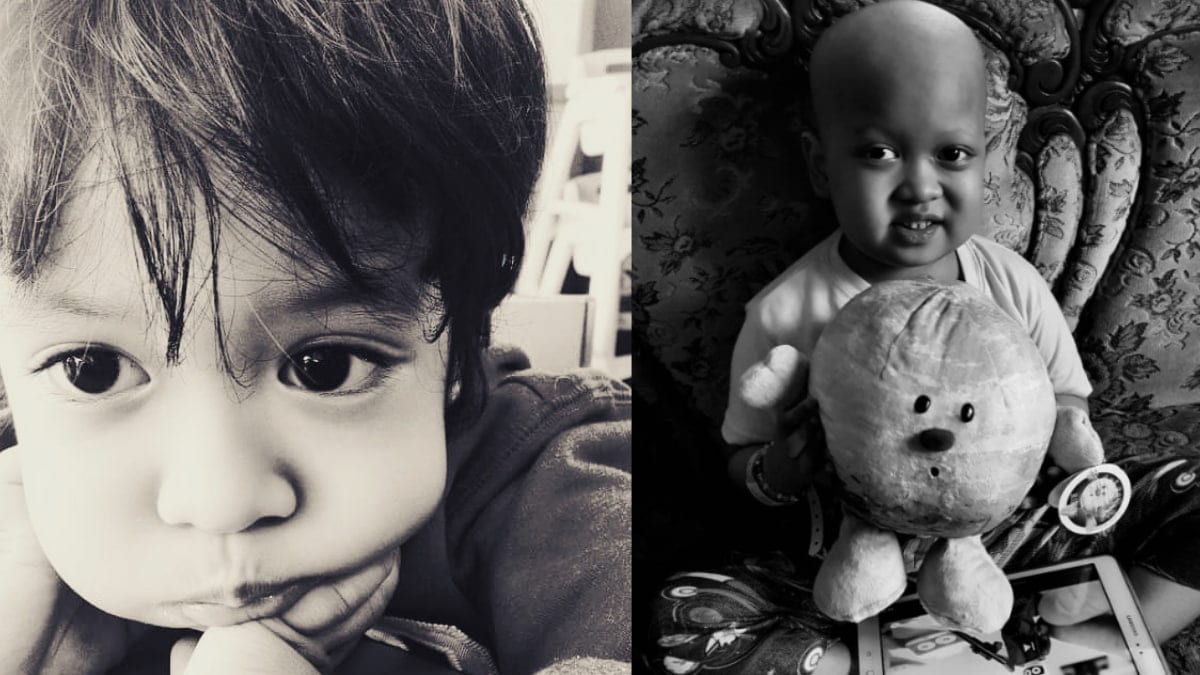
According to Gem it took around 6 months to get the correct diagnosis. After several months of trying to find the right team of doctors to handle her son’s case, she finally found Dr. Gerardo Legaspi and Dr. Marissa Lukban of PGH in June 2015.
“Pio had clival chordoma. It is a bone cancer that was embracing his brain stem,” Gem explains. “He was born with it...the tumor grew and compressed vital nerves that are in charge of Pio's vision, mobility, swallowing, and breathing.”
Clival chordomas, according to the Pacific Neuroscience Institute, are locally invasive tumors of the midline skull base. It is a rare and malignant bone cancer that can affect the brain. According to the Chordoma Foundation, only one in one million people are diagnosed with this type of cancer.
The moment of truth
“My initial reaction in February was shock and numbness,” recalls Gem. “I was in denial (but) I was also constantly searching what this cancer is about, and as I was getting more information about it—my heart sank more.”
Gem remembers holding the information about her son’s condition, “I only told people he had cancer in August 2015." She realized she couldn't do it alone as they really needed funding to sustain his treatments.
“The life of caring for a sick child is isolating. Even if you have people around you, there will be a lot of times you'd feel left out or lonely... you'll always kinda be that odd mom.”
—Gem Zapanta
The one who was brave through and through is little Pio himself. “He was the one who confronted me and asked me if he was already dying. He was brave enough to be human—to be scared, to be angry, and to be sad about it.”
Gem painfully recalls, “(In) the end, he was brave enough to accept it with grace. He told me he did not want to be revived if he died. He was brave enough to initiate hard conversations with me to choose what kind of memorial he wanted to have; what clothes he wanted to wear when he gets cremated.”
A life well-lived
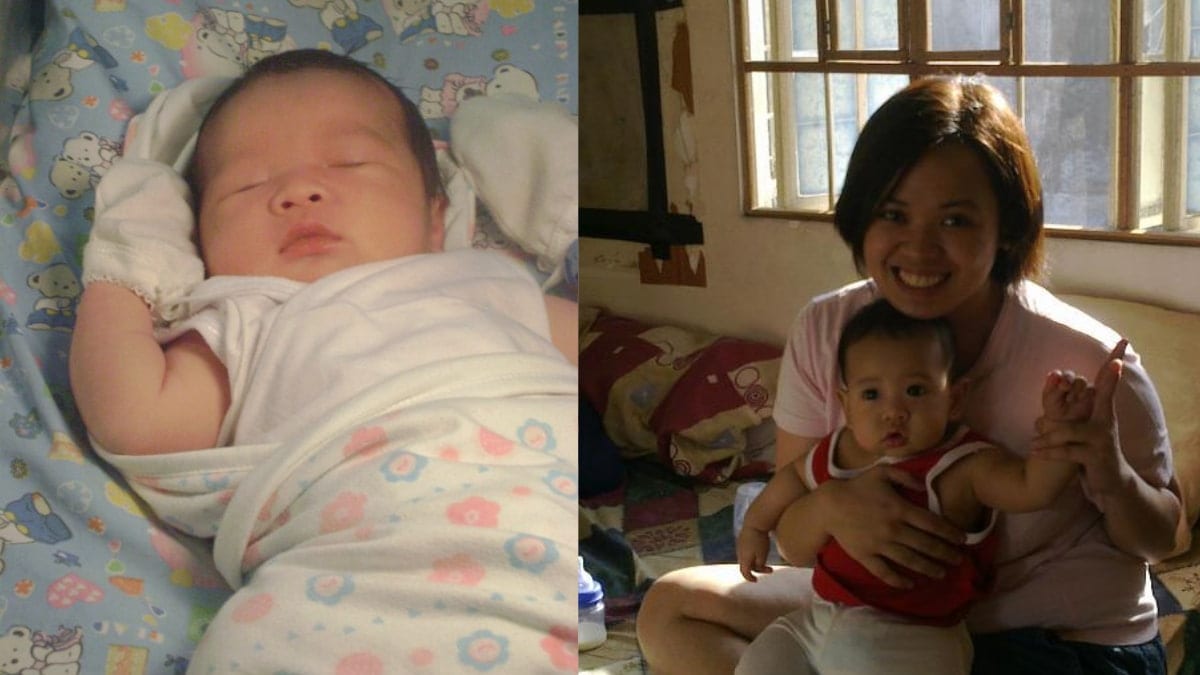
Aedan Pio, named after the Italian priest and stigmatist Padre Pio, was born on January 23, 2011.
As a very young child, he was fascinated with space and heavenly bodies—even dreamed of being an astronaut and astrophysicist one day. He loved building models of the solar system through Lego. “He loved Science so much and was so fascinated with the law of thermodynamics,” Gem recalls.
He was in love with art, colors, and clay. Gem tells Smart Parenting, “He started painting at three years old with watercolor as his medium. He used art and painting to communicate his thoughts, dreams, and emotions. Art was his life and his life was painting.”
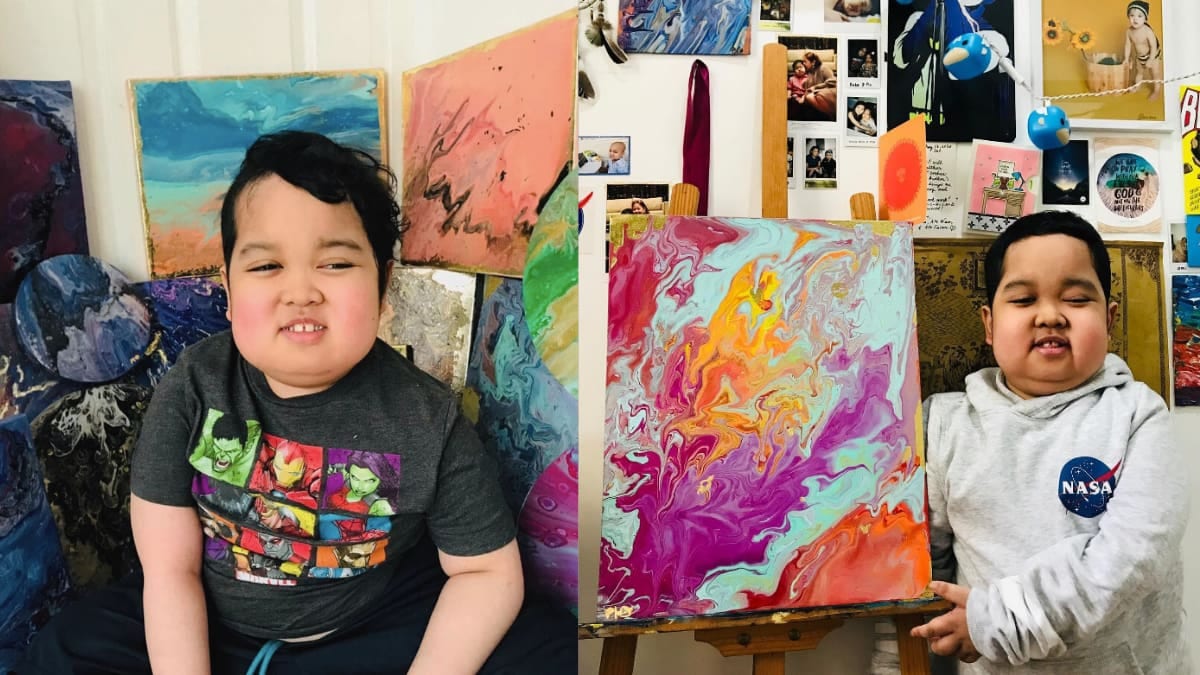
Pio was able to supplement his treatments through his art.
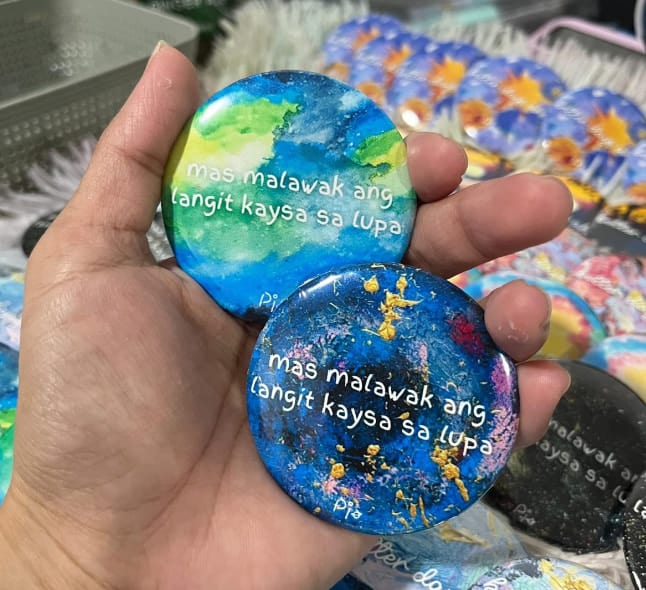
He was full of optimism and faith. In one of his reels on Facebook Pio said, “Kapag na ho-hospitalize kasi ako, I always know na mababalik nila ko sa dati. I know that I will come back to my normal strength.”
“Childhood cancer is draining and lonely. Parents would often forget to take care of themselves while moving mountains to get their child cured... Please take care of yourself. Find ways to fill your cup so you can care for your child...”—Gem Zapanta urges caregivers to practice self-care
Finding your tribe
“The life of caring for a sick child is isolating. Even if you have people around you, there will be a lot of times you'd feel left out or lonely especially with friends or relatives who have healthy and normal kids... you'll always kinda be that odd mom,” explains Gem.
She adds, “so you really need to find a community that understands and has gone through or is going through the same because only with these communities that I have truly felt comfort and understanding.”
According to Gem, she really appreciates all the people who are still reading and watching her stories and posts about Pio in his social media accounts–it makes her feel that he’s not forgotten.
To parents of children facing childhood cancer
“Childhood cancer is draining and lonely. Parents would often forget to take care of themselves while moving mountains to get their child cured,” says Mommy Gem.
“...build memories, enjoy life, celebrate milestones even when getting chemo or radiation. Take photos, take videos—take lots of it. Because sometimes when things do not go our way, these are the things that you would hang on to.”—Gem Zapanta advises parents
For a mother, the sorrow can feel boundless, touching every part of her life and challenging her to find ways to continue on while carrying a weight that others may struggle to understand. This kind of loss—particularly due to a disease as aggressive as bone cancer—comes with additional layers of pain, as many parents experience prolonged helplessness, watching their child endure pain, treatments, and the harsh realities of an illness that leaves a lasting mark on the whole family.
Gem reminds mothers to also take care of themselves because mothers by default are the ones who would fight to death for their child. She encourages moms to find ways how to fill their cup so they can take care of their sick child and the rest of the family better as they navigate such a harrowing journey.
“Cry when you have to,” Gem advises parents who are going through the same ordeal. “Crying relieves so much stress so you can be strong and fight another day with your child.” She adds, “...build memories, enjoy life, celebrate milestones even when getting chemo or radiation. Take photos, take videos–take lots of it. Because sometimes when things do not go our way, these are the things that you would hang on to.”
Lastly, Gem concludes, “Do not be afraid to have hard conversations with your child. They are smarter than we think they are and most of the time, stronger and (more) fearless than us.”
Also Read: This Couple Is Turning Their Grief Into Gratitude After the Death of Their Baby
On losing and letting go
Gem writes on Facebook, "I used to believe there were stages of grief and interpreted it as linear and universal. I expected grieving people to move from one stage to another in an orderly fashion. And that if one does not complete each predictable pattern properly, he/she will never heal."
"Boy, was I soooo wrong when Pio died," she realized.
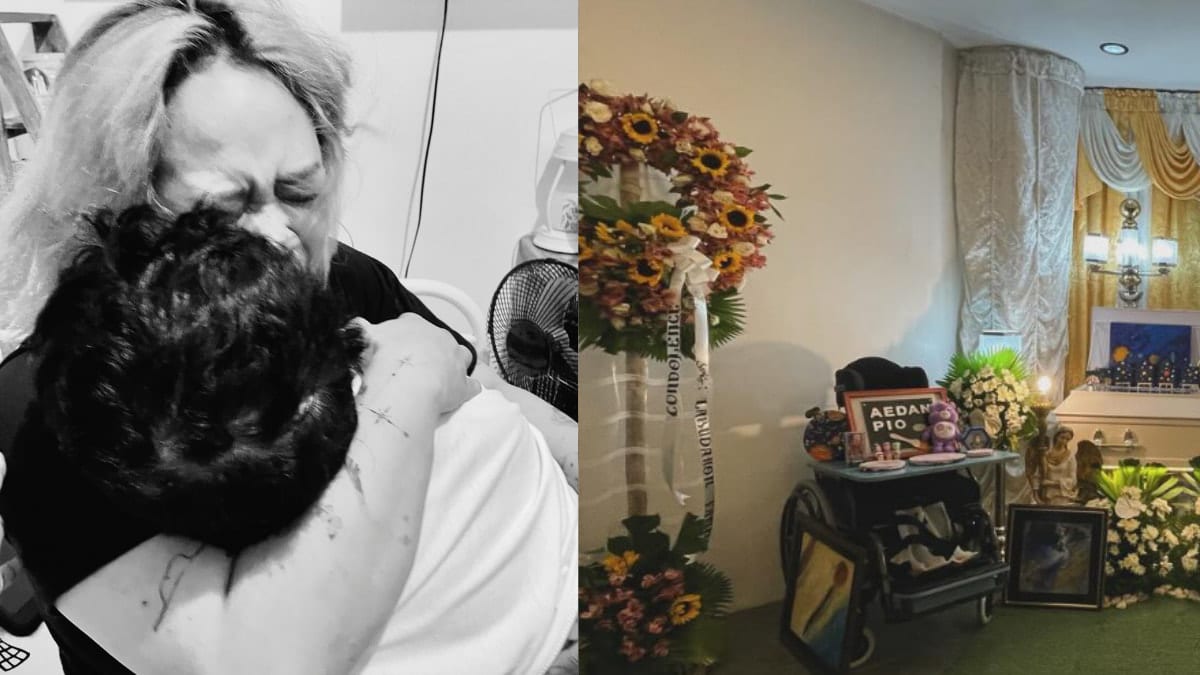
Gem adds, "I don’t owe it to anyone to have it completely together all the time. I owe it to myself to honor my mess and look at it as something I need to go through without any time limit. I need to be kinder to myself with gentler expectations."
She ends it with, “I lost Pio and he is literally a part of me. I love him very much and I feel so incomplete. It's like losing a limb. So if pain and grieving is what I am bound to carry for the rest of my life, that is okay. I am still showing up for me and all my other loved ones in any way I can everyday...”
View this post on Instagram
How does one really cope with the loss of a child? Find out from a mom who has been there.
More from sp

Lorem ipsum dolor sit amet, consectetur adipisicing elit, sed do eiusmod
Lorem ipsum dolor sit amet, consectetur adipisicing elit, sed do eiusmod
