
Welcome to Real Parenting, a space where parents can share the joys, pain, and the mess of parenthood. Want to get something off your chest? Share your parenting journey? Email us at smartparentingsubmissions@gmail with the subject "Real Parenting." Click here to read more 'Real Parenting' stories.
As a lover of Korean dramas, I’m still shocked by the effect When Life Gives You Tangerines had on me. It’s just another K-Drama—yet I find myself thinking about it at random moments. After some contemplation, I realized why this popular series left a permanent mark on my heart.
It’s a visual representation of life—the complete cycle of life with its ups and downs, heartaches and joys, weaving through different generations and seasons. There’s a time for mourning, a time for learning, and a time for harvest.
In each season, I find myself identifying with each character’s journey: a child’s life journey, a young adult navigating life, a young mother who gave up her dreams for her family, or an older mother trying to change the course of her children’s lives.
Why 'When Life Gives You Tangerines' hit me hard as a mom
As a stay-at-home mom
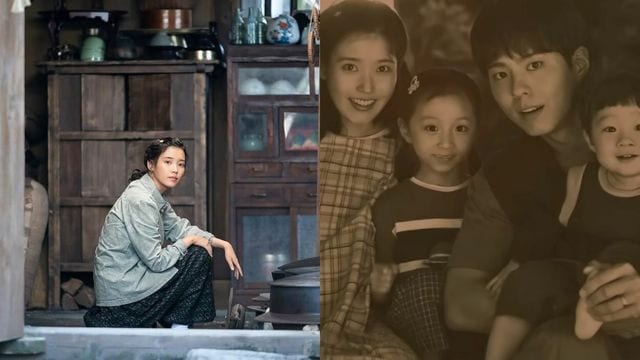
Most of the time, I identified with Oh Ae-Sun (IU). Her life and dreams were put on hold when she became a mother. And even though she always said she had no regrets and was happy to serve her family, there was always a looming thought in her head: What if? What if I continued to pursue my dreams? Is it still possible for me to see my dreams come true?
Don’t get me wrong—don’t get Ae-Sun wrong. Taking care of our family and our kids is a great privilege. There’s an unspeakable joy in watching your kids grow and bloom into who they are.
But when it’s your fifth time washing the dishes in a day, the floor is always filled with toys, and the laundry basket’s never empty, sometimes—just sometimes—your heart aches for something more.
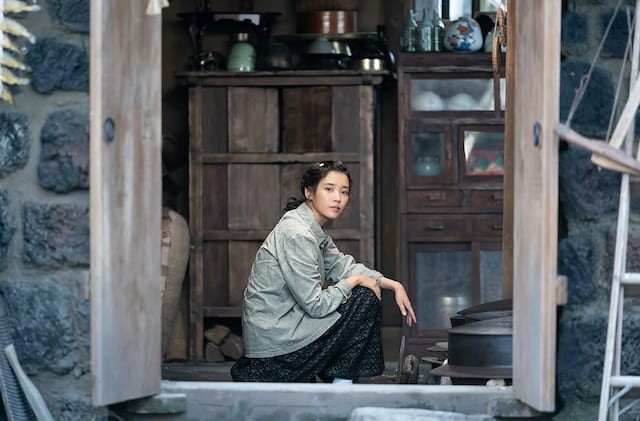
Oh Ae-Sun, a mother of three, is the main character in 'When Life Gives You Tangerines' (2025)
When the day stretches into longer hours, you get lonely. But then you realize that your job is ensuring everybody’s doing fine even when it's hard. Even when no one asks you how your day was or if you are still okay.
'Sometimes the things we want most for our kids are the very things we longed for as children.'
When you see friends and colleagues chase their dreams, you wonder: “What happened to the person I was before motherhood?”
When you’re deep in the trenches of motherhood—juggling responsibilities, fulfilling chores, and parenting—your identity as an individual is the easiest thing to set aside. You tell yourself that your dreams and desires can wait. It’s hard to take a moment for yourself—when a hungry child is waiting to be fed.
As a daughter
Sometimes, I identify with Yang Geum-Myeong (IU). I couldn’t hate her because, at some point, I acted the same way toward my parents. They are far from perfect, and I did not grow up with privilege. Although the most logical thing to say to Geum-Myeong was, “Stop whining and just be grateful to your parents,” it’s hard to say when you’ve been in her shoes.
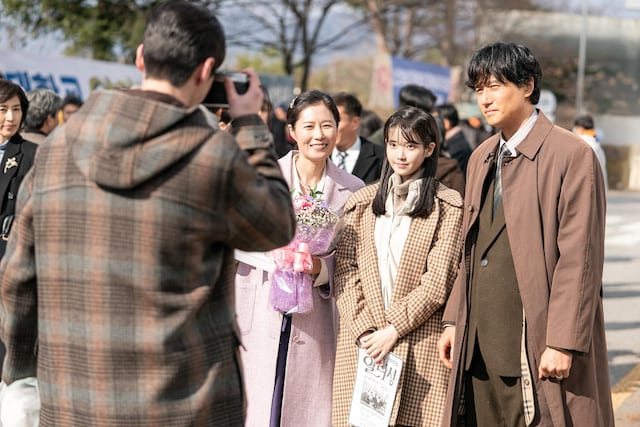
Yang Geum-Myeong (center) with her parents, Oh Ae-Sun and Yang Gwan Sik
When you longed for things that were ‘simple’ for others but not for you.
Sometimes, the longing was for simple things classmates had, such as trolley bags, unlimited sets of crayons and markers, and different snacks during recess.
The ‘luxury’ items you dreamed of were black, high-cut Converse Chuck Taylors, which you couldn’t have, even if you were always on the honor roll.
As you grew older, you desired life-altering choices like a college degree and university you wanted simply because you couldn't afford them.
Other things were not obvious but deeply felt, like a sincere talk after a long day at school, a discussion about your dreams, or your parent asking you, “What do you want to be when you grow up?”
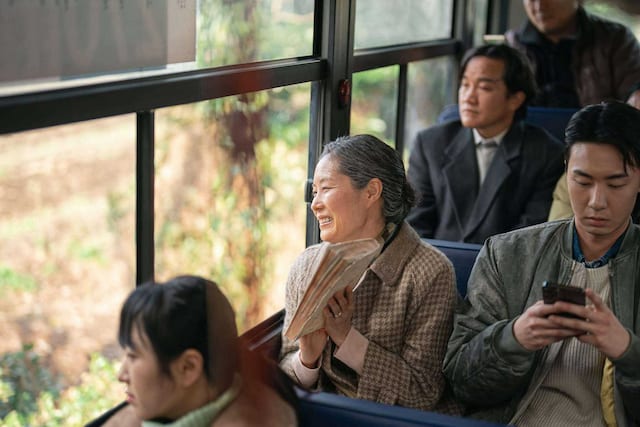
Who said dreams have deadlines? Here's Ae-Sun finally fulfilling her dreams, even at an old age.
It was hard to be thankful. But despite it all, you still were. It’s a complex push and pull of emotions—blaming your parents for not having much but also blaming yourself for wanting more than what you had.
As a parent
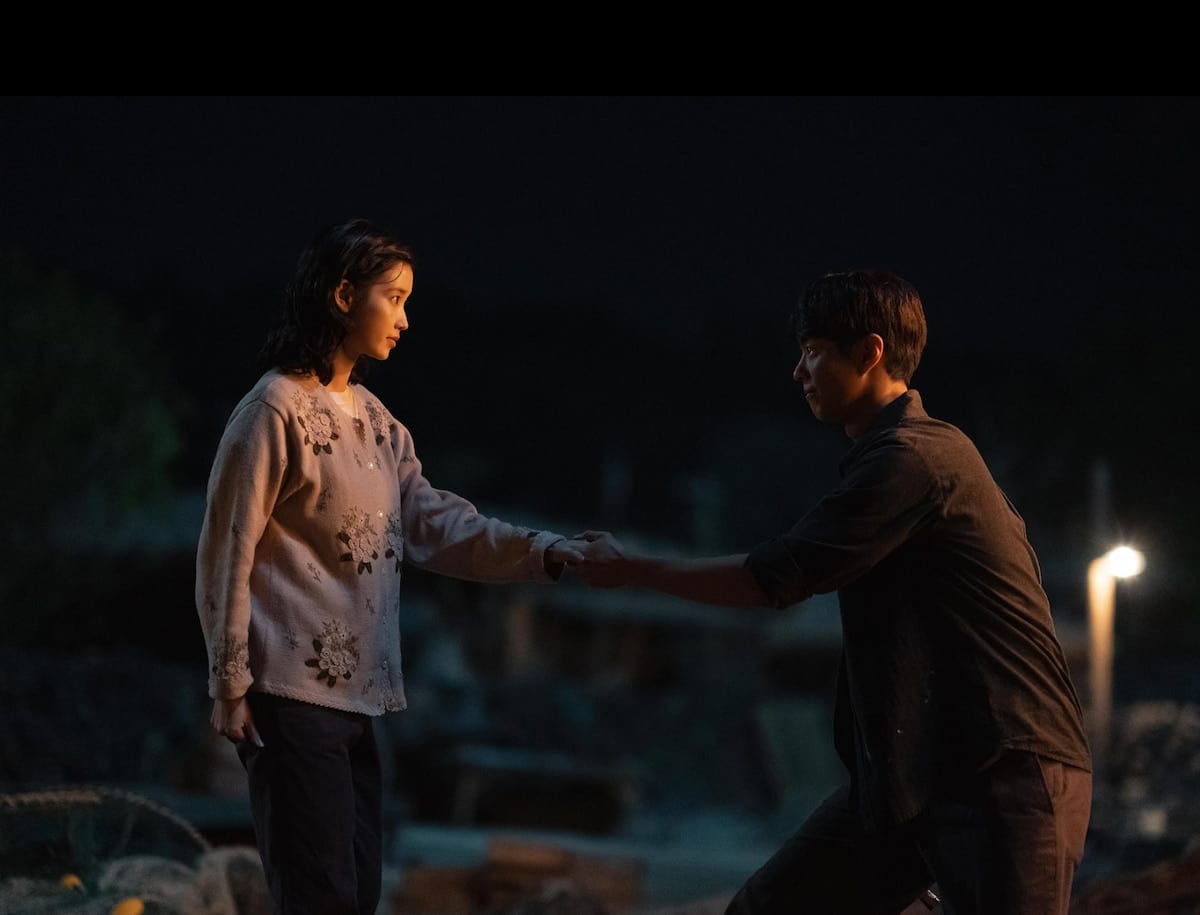
Now that I’m also a parent, I sometimes identify with Yang Gwan-Sik (Park Bo-Gum) and Ae-Sun’s mom, Jeon Gwang-rye (Yeom Hye-ran).
There’s an invisible war within my heart—a fight against the tide, a fight against what has always been done. “No, this can’t be. My child can’t have a life the same as mine. Something has to change,” the characters thought. I thought so, too.
Sometimes, the things we want most for our kids are what we longed for as children.
Sometimes, it’s as simple as material things—giving them their own bicycle as early as you can, buying them crayons and markers just because you want to, and shopping for clothes and shoes that actually fit without needing an “allowance” so they can use them longer.
These are the simple luxuries you didn't experience as a kid—letting them choose their food order in a restaurant, taking them on trips and vacations so they can see the world, or giving them airplane rides so they’ll never wonder what it’s like to fly.
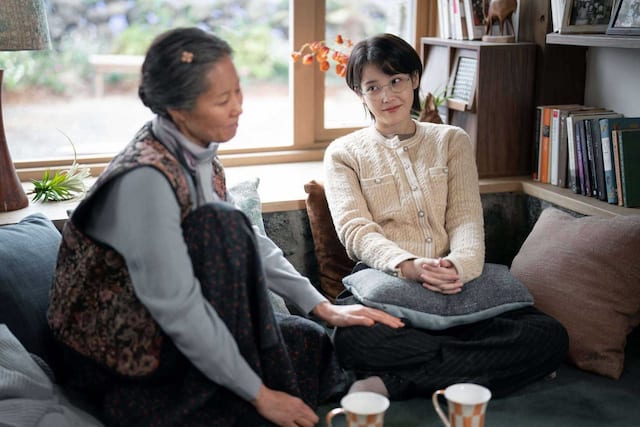
Ae-Sun finally achieved what her mother wanted for her: she changed the course of her children's lives.
Most of the time, it’s the things we cannot see but hold lasting value: creating a safe space in our home where they can say anything. Building a family that actually knows them—their dreams, their desires, the things they like and don’t like. Giving them the assurance that their parents will stand by their side no matter what happens.
And we fight for it. It’s not easy, but we still do. Just as Ae-Sun’s mom, Ae-Sun, and Gwan-Sik did, we do it all so that our children’s lives will be different than ours. We do it all so our children’s lives will be better.
Riyalyn Pasimio was shaped by a challenging childhood and went on to build a career in Human Resources, where she worked for six years. Now a stay-at-home mom, she’s embracing a new chapter—learning to cook, drive, homeschool, and maybe, one day, pursue her dream of writing a book.
More from sp

Lorem ipsum dolor sit amet, consectetur adipisicing elit, sed do eiusmod
Lorem ipsum dolor sit amet, consectetur adipisicing elit, sed do eiusmod
