Show Up, Don’t Coach: Parenting Wisdom from an Athlete Dad

Published on Jun 19, 2025
A sharp whistle from the referee halts the action on the hard court. He calls a shooting foul with one second left. The scoreboard shows the game is all-even, and the next two free throws can break the tie and determine who hoists the basketball trophy.
On the sidelines and up the bleachers, the coaches, players, parents, and the rest of the crowd are cheering, booing, waiting with bated breath for a swish or miss from your child, a student-athlete, who has been dreaming of this big moment.
Ball in hand, your child will practically determine whether the ending is glory or agony. But wait—as tense as it is, your child is not alone on the line. Never.
For San Beda Red Cubs basketball head coach Miko Roldan, this moment is the accumulation of habits, values, relationships, and, more importantly, the investment parents make in their child's playing a sport.
From the onset, Coach Miko wants to make it clear: "Let your child learn to follow one voice during the game. [You] can be cheerleaders, but not their second coach."
.jpg)

These Kids Of Celebs Are Multi-Awarded Young Athletes! Here's How Your Kids Can Get Started Too
Read hereWhy the "car ride home" matters most
The sport of basketball has a strong and passionate following in our country, and emotions can quickly run high during games. While this is evident at any level, parents of young and developing athletes, not just in basketball, must understand that kids can't always win.
"We as parents need to understand that children will lose more than they win—and we all need to be prepared for that," says Coach Miko.
As tough as it sounds, he firmly believes that "losing is part of learning because it teaches them how to be better, how to handle disappointment, and how to work through frustration."
In guiding his 15-year-old and 22-year-old sons Tiago and Fonsie, Coach Miko shares, "One thing that’s been really important in our family is what we call the 'car ride home' or the moment right after a game. We stay mindful of not using the time to dissect the game or point out mistakes. That pressure, even if it’s well-meaning, can take the joy out of playing."
He adds, "Even as a coach, I always ask my sons first if they want to talk about the game. Sometimes they say 'yes,' sometimes they say ‘no.’ And that’s okay. But one thing they always hear from me is: 'I’m happy to see you play.' That’s it. No pointers, no analysis—unless they ask for it."
In some of his readings, Coach Miko has come across studies that show nearly 70% of athletes under 13 quit sports because of the 'car ride home'. Because of that, he'd prefer to cheer, support, and be present—not even act as a coach unless he's invited to.

Benefits Of Getting Kids Involved In Sports
Read hereAn investment every dad should make
An advocate of sports for all children, Coach Miko believes that while textbooks can teach kids how to think, sports will teach them how to handle pressure, responsibility, and grit—the things that happen in real-world situations.
"As a coach and a dad, I’ve seen how much kids grow through sports, not just physically but mentally and emotionally. They learn how to commit to something bigger than themselves. They show up even when they’re tired. They face tough losses, learn to bounce back, and figure out how to work with others who may not think or play like them," he shares.
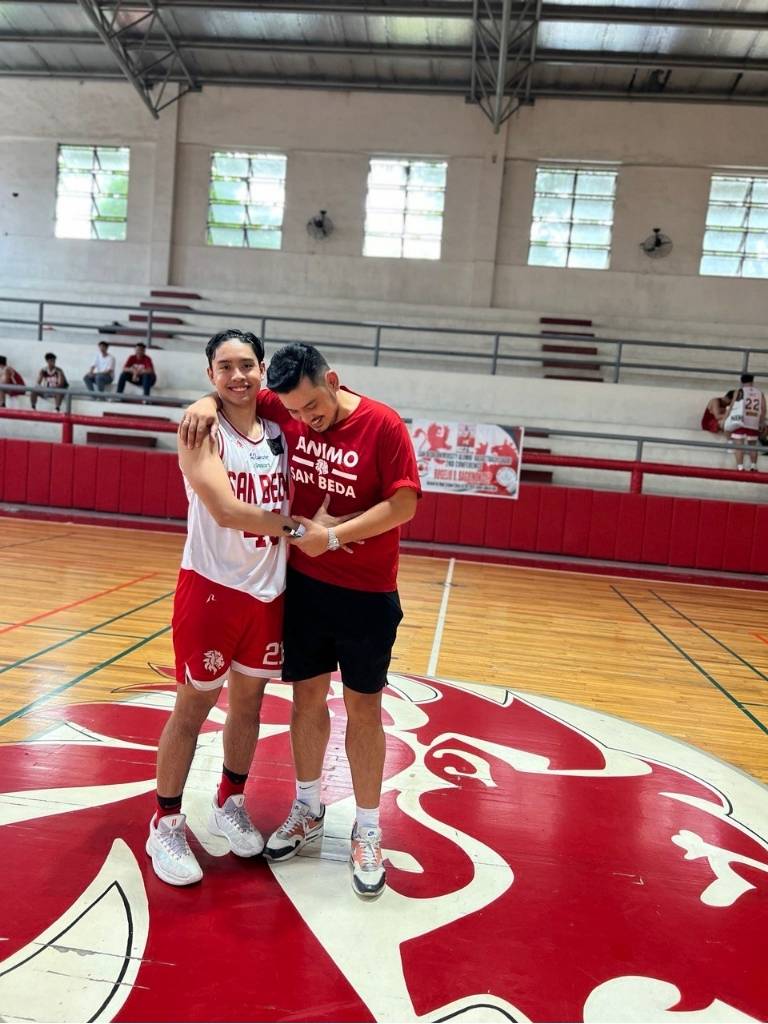
Is investing in sports for children all about money? Coach Miko's answer is a quick and simple 'no.'
He explains, "For dads, investing in your kid’s sport doesn’t always mean money—it means time, encouragement, and being present. Be there in the stands. Celebrate their effort. Help them tie their shoes before practice and listen to them vent after tough games. Those moments are just as valuable as any medal or certificate."
According to Coach Miko, enrolling children in sports shapes character and builds habits, values, and relationships that last beyond the court or field. It's a great investment every father should want to make.
You don't need to be an athlete to raise one
More than any advice Coach Miko gives his fellow parents looking to enter their children in a sport, he reiterates this a straightforward message: "Show up for your kids. That's it."

3 Invaluable Life Lessons That Sports Can Develop In Children
Read hereHe explains, "Kids don’t need their parents to be experts; they just need their parents to be there—cheering, watching, playing when they can. That connection matters more than skill." Coach Miko adds that one important thing to observe is the child's development and inclination.
One question he's always asked is at what age kids can start playing basketball. For him, it can be as early as three years old.
He usually says, "We have to wait for your child to develop more." In his experience coaching basketball, it takes a while to learn the fundamentals of basketball—dribbling, spacing, shooting—all of which require proper coordination.
Considering all these, Coach Miko understands that most kids aren’t ready to fully comprehend and enjoy these until they are at least 5 or 6 years old. So before that, a sport like soccer could be a better fit, which mostly involves running and kicking—skills that naturally develop around preschool age.
For dads who aren't sporty, getting children into sports is never a problem. "Be the dad who signs them up, brings them to the game, and high-fives them after," encourages Coach Miko. "That support—that presence—is what builds a lifelong love for sport."
.jpg)
A culprit of pun-ishable dad jokes, Don tries his best to make his wife and their five-year-old daughter laugh until someone is in gassy pain. He's not a mechanic, but he's prying through fatherhood, pen in hand, to help his fellow dads somehow navigate the biggest role a man can have.
Read more stories about