
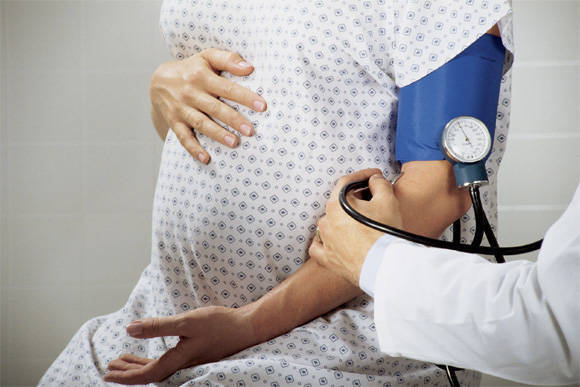
As a child develops in utero, a myriad of changes occur within his mother’s body. Most of these changes happen only for the duration of the pregnancy, but others could develop into serious conditions after the delivery.
We asked OB-Gyne specialist Dr. Nini G. Infortuno to discuss these physical changes, so that expectant women may gain a deeper understanding of their pregnant body, and how they can safeguard their health postpartum.
What general changes happen in a pregnant woman's body?
1. You urinate frequently.
“The increased pressure on a woman’s bladder and hormonal changes cause frequent trips to the bathroom during pregnancy.”
2. You experience fatigue .
“The body is working double for mother and baby.”
3. Your breasts become tender.
“Women's breasts are sensitive and tender, and they begin increasing in size very early on during pregnancy. This happens in preparation for breastfeeding.”
4. You have morning sickness. (Read more about morning sickness relief)
“Nausea and vomiting are common during the first few months of pregnancy. This is due to hormonal changes and increased acid production in the stomach.”
5. You have increased vaginal discharge.
“It is common to have increased vaginal discharge because there is increased blood supply to the tissues in the vagina.”
6. You become prone to constipation. (Read more about postpartum constipation)
“This is due to the intake of iron in prenatal vitamins and hormonal changes that slow down the digestion of food.”
7. You occasionally suffer from indigestion/heartburn.
“Heartburn may occur more frequently when you are pregnant, due to the slowdown of your digestive system and the relaxation of the muscle that normally keeps digested food and acids in your stomach.
8. Your skin gets darker.
“Some women get brownish or yellowish patches around their eyes and over the cheeks called the ‘mask of pregnancy’. The medical term for this is ‘chloasma’. Some women also get a dark line on the midline of the lower abdomen called the ‘linea nigra’, and the most common are striations or stretch marks on their abdomen, around their nipples and buttocks.”
Related stories:
• The 7 Most Common Skin Problems of Pregnant Women
• 3 Common Preggy Discomforts and How to Deal with Them
• Your Pregnancy: The First Month (Weeks 1 to 4)
[previous|page|next]
What are some conditions that a woman can acquire during pregnancy?
• Hypertension (High Blood Pressure)
“Chronic poorly-controlled high blood pressure before and during pregnancy puts a pregnant woman and her baby at risk for problems. It is associated with an increased risk for maternal complications such as preeclampsia, placental abruption (when the placenta separates from the wall of the uterus), and gestational diabetes. These women also face a higher risk for poor birth outcomes such as preterm delivery, having an infant small for his/her gestational age, and infant death.”
• Gestational Diabetes Mellitus (GDM) (Read more about gestational diabetes)
“GDM is when the body cannot effectively process sugars and starches (carbohydrates), leading to high sugar levels in the blood stream. Most women with GDM can control their blood sugar levels by following a healthy meal plan from their health care provider and getting regular physical activity. Some women also need insulin to keep blood sugar levels under control. Doing so is important because poorly controlled diabetes increases the risk of:
• Preeclampsia
• Early delivery
• Cesarean birth (Read about postnatal care after a Caesarean section)
• Hyperemesis Gravidarum
“Many women have some nausea or vomiting, or ‘morning sickness’, particularly during the first three months of pregnancy. The cause of nausea and vomiting during pregnancy is believed to be rapidly rising blood levels of a hormone called HCG (human chorionic gonadotropin), which is released by the placenta. However, hyperemesis gravidarum occurs when there is severe, persistent nausea and vomiting during pregnancy—more extreme than ‘morning sickness’. This can lead to weight loss and dehydration and may require intensive treatment.”
• Urinary Tract Infections (UTI)
“A UTI is a bacterial infection in the urinary tract. One may experience:
• Pain or burning during urination
• Fever
• An urge to use the bathroom often
• Cloudy or bloody urine
• Nausea or back pain
Treatment with antibiotics to kill the infection will make it better, often in one or two days. Some women carry bacteria in their bladder without having symptoms. Your OB-GYN will likely test your urine in early pregnancy to see if this is the case and treat you with antibiotics if necessary.”
• Anemia
“Anemia is having lower than the normal number of healthy red blood cells. Women with pregnancy related anemia may feel tired and weak. This can be helped by taking iron and folic acid supplements.”
Related story: 13 Signs of a Pregnancy Problem
[previous|page|next]
After giving birth, how long does it take for these conditions to subside or for a woman's body to go back to its pre-preggy state? What are the factors that can hinder or hasten these conditions to subside or worsen?
“These conditions usually resolve immediately after giving birth. After giving birth you will lose about 10 pounds right away and a little more as body fluid levels decrease. Gradual weight loss over several months can happen especially if you are breastfeeding. A healthy eating plan along with regular physical fitness might be all you need to return to a healthy weight.
Six weeks postpartum, your body should go back to its previous state and your doctor will request for laboratories to ensure that your blood chemistry is back to normal.”
Related story: Pregnancy Weight Watch: Handling Special Health Conditions & Diets
What should women watch out for after giving birth, health-wise?
“One should inform her doctor immediately if there is:
• Sudden or increasing blood loss with blood clots accompanied by dizziness or fainting episodes
• Severe or persistent headache accompanied by nausea and vomiting
• Raised blood pressure with blurring of vision, upper abdominal pain
• Chest pain and shortness of breath
• High grade fever with severe abdominal pain
• Unable to urinate six hours post delivery (for vaginal deliveries)”
The mother’s health is as important as her newborn’s, because caring for her baby would not be possible if she herself was not in the best state of health. Keep these reminders in mind to be more attuned to and knowledgeable about your changing body.
Image from stanfordhospital.org

Lorem ipsum dolor sit amet, consectetur adipisicing elit, sed do eiusmod
Lorem ipsum dolor sit amet, consectetur adipisicing elit, sed do eiusmod
