
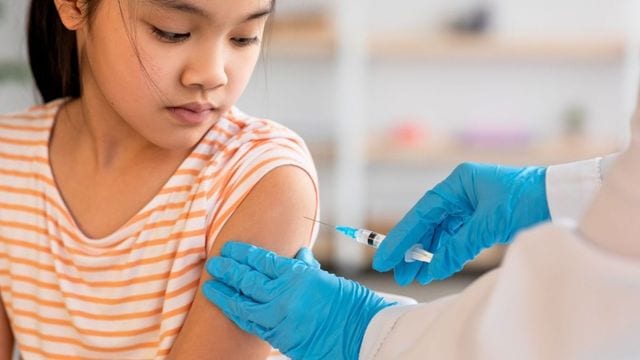
In a major step toward better health for Filipino girls, the Department of Health (DOH) has announced that starting in 2025, all 9-year-old girls will be able to receive the human papillomavirus (HPV) vaccine for free.
This comes after the Philippine government secured funding for the vaccine, which will help protect young women from cervical cancer, one of the leading cancers in the country.
ALSO READ: This Vaccine May Be an Unusual Gift for Your Teen, But It Can Save His Life
Free HPV Vaccines for 9-Year-Old Girls in 2025
DOH secretary Ted Herbosa shared the news during a press conference, confirming that he had successfully requested funding for the vaccine from President Ferdinand Marcos Jr.
Each dose of the HPV vaccine costs P4,000, and the vaccination requires two doses. Thankfully, the government is now covering the entire cost for those who want the protection.
"Ang isang nahingi ko kay Presidente BBM ay pondohan na lahat ng 9-year-old girls for HPV vaccination. P4,000 po isang dose nito, two doses ito, at pumayag si BBM," Herbosa said.
This new initiative builds on the Bakuna-Eskwela program, a school-based vaccination drive that launched in October 2023. A collaboration between the DOH and the Department of Education (DepEd), the Bakuna-Eskwela program aims to protect students from various vaccine-preventable diseases, including measles, rubella, and tetanus, along with cervical cancer through the HPV vaccine for girls.
As of mid-December, over 505,000 Grade 4 female students have already received the HPV vaccine as part of this program, representing more than 64% of the target population. The government's focus on immunizing young girls is a game-changer for cancer prevention.
Why HPV Vaccination is So Important
According to the World Health Organization (WHO), HPV, or human papillomavirus, is the most common sexually transmitted infection, affecting almost everyone who is sexually active at some point in their lives. It often has no symptoms, but some strains can cause genital warts or lead to serious health problems like cervical cancer.
While the body’s immune system typically clears the virus on its own, certain strains of HPV can cause abnormal cell changes that may eventually develop into cancer. Cervical cancer is the most common cancer linked to HPV, but the virus can also cause other cancers, such as those affecting the anus, vulva, vagina, mouth, throat, and penis.
The HPV vaccine is key in preventing these cancers. It helps the body build immunity against the virus before exposure, reducing the risk of developing HPV-related cancers in the future. Importantly, the vaccine does not contain live virus or any DNA from the virus, so it can't cause cancer or other illnesses related to HPV.
Protecting the Future: Why Vaccination Matters
Vaccination is the most effective way to prevent HPV infection and its potential to cause cancer. The World Health Organization (WHO) recommends that all girls between the ages of 9 and 14 receive the vaccine before they become sexually active. For most, the vaccine is given as two doses, but those with weaker immune systems may need more doses.
With cervical cancer being the most common HPV-related cancer, vaccinating girls at a young age gives them the best chance at a healthy future. This initiative also aligns with global health efforts to prevent HPV-related cancers, marking a positive step for the Philippines in proactive healthcare for women and children.
Click here to read expert insights on HPV infections.
More from sp

Lorem ipsum dolor sit amet, consectetur adipisicing elit, sed do eiusmod
Lorem ipsum dolor sit amet, consectetur adipisicing elit, sed do eiusmod
