
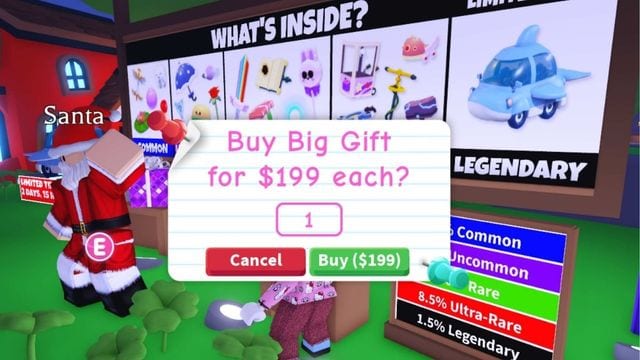
Between long screen time, concerns about violent content, and the likelihood of cyberbullying, parents already have a lot to worry about when it comes to letting their kids play video games. On top of that, there are the occasional "Can you buy me this? Can I have that?" requests, fueled by microtransactions. If these aren't kept in check, they can grow into a much bigger issue.
A new study from the University of Sydney reveals troubling effects of in-game spending on children who play Roblox, a popular online gaming platform. The researchers found that kids often struggle to understand Roblox's in-game currency system, which led to unintentional overspending.
ALSO READ: Roblox's Updated Parental Controls: A Guide For Parents
Roblox Currency Puzzles Kids, Leading to Overspending
If your child spends hours on Roblox, you've probably heard of Robux. It's the virtual currency that powers the platform, allowing players to buy everything from custom avatars and outfits to special abilities and game upgrades. Robux can be purchased with real money, earned through in-game activities, or unlocked with a Roblox Premium membership.
The study, conducted by researchers from the University of Sydney, interviewed 22 children aged 7-14 and their parents to explore digital spending habits. The research gave unique insights into how young players navigate in-game transactions, with 18 of the 22 children playing Roblox.
According to the study, children often describe the currency system as "scary" and confusing, especially when trying to understand how much Robux translates to real money. This lack of understanding leads to unintended overspending.
It also revealed that many kids don't fully realize the consequences of spending in the game. When presented with an AUD $20 debit card, for example, twelve children ended up purchasing items in Roblox, even though they initially planned to buy physical items. This behavior highlights the challenges of managing in-game purchases without proper financial awareness.
"In the interviews, we gave children an AUD $20 debit card to spend however they liked, to help us understand children's decision-making around spending," said researcher and Postdoctoral Fellow, Taylor Hardwick.
"While four children purchased non-digital items with their debit card, such as bicycle parts, toys and lollies, 12 children made purchases in Roblox."
Researcher Professor Marcus Carter said: "Virtual currencies obscure purchase values which makes it difficult for children to discern the value of the items they want to buy in digital games. This leads to children spending more than they realise in game."
Deceptive Game Mechanics and Emotional Impact
Although many of the participants value their Roblox purchases, they expressed frustration with the platform's confusing and predatory monetization features. While they enjoy their purchases, they struggle with complex transactions and deceptive mechanics, which both children and parents describe as "scams," "cash grabs," and even "child gambling."
Roblox games like Adopt Me!, Blox Fruits, and Pet Simulator 99 still encourage children to spend money on chance-based rewards, despite loot boxes being banned for users under 15 in Australia. The research found that this leads to financial disappointment and even family conflicts.
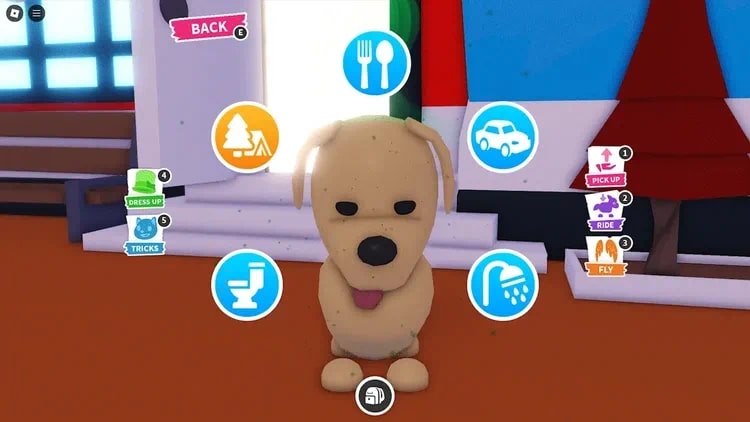
"Parents report feeling overwhelmed and powerless to protect their children from these misleading features, which create a cycle of spending that can lead to significant emotional and financial distress," Professor Carter said.
With around 42% of Roblox players aged under 13 years old, there are concerns that engaging with random reward mechanics might lead to problem gambling later in a child's life, highlighting the urgent need for action from policymakers, regulators, and platform developers.
"With digital gaming becoming an integral part of childhood, urgent steps must be taken to protect young users from financial exploitation, and stronger enforcement of Australia's existing loot box bans is crucial to ensuring compliance," Professor Carter suggested.
What Parents Can Do
Young kids often lack an understanding of the real-world costs of their in-game spending, and they're driven more by the immediate joy of buying than by financial awareness.
We've seen adults get caught up in small, frequent purchases, so it's more worrying with kids. Without proper monitoring, these transactions can quickly become a bad habit, like gambling, where they expect rewards with every purchase and keep spending without realizing it.
Here are a few steps parents can take to help:
- Set Spending Limits – Establish clear rules for how much your child can spend on in-game purchases and ensure they understand these limits.
-
Use Parental Controls – Enable parental controls within Roblox or any other gaming platform to prevent unauthorized purchases and restrict access to certain features.
-
Educate About Real-World Money – Teach kids about budgeting and the value of money. Help them understand that in-game purchases have real-world consequences.
-
Monitor Purchases Regularly – Track your child's in-game transactions and review their spending patterns. This will help you identify any issues early.
Parents, note that it's not about pulling the plug on Roblox or other video game platforms with in-game spending, but rather finding the right balance between fun and responsible spending for your child.
Click here to learn more about tips for parents in guiding their child on Roblox.
More from sp

Lorem ipsum dolor sit amet, consectetur adipisicing elit, sed do eiusmod
Lorem ipsum dolor sit amet, consectetur adipisicing elit, sed do eiusmod
