

What is an “outlier?” Merriam-Webster defines an outlier as "a person or thing atypical within a particular group, class, or category." In his book Outliers, Malcolm Gladwell highlights stories of exceptionally successful people in their respective fields. He showed how factors like culture, habits, opportunities, and community led these people to tremendous success.
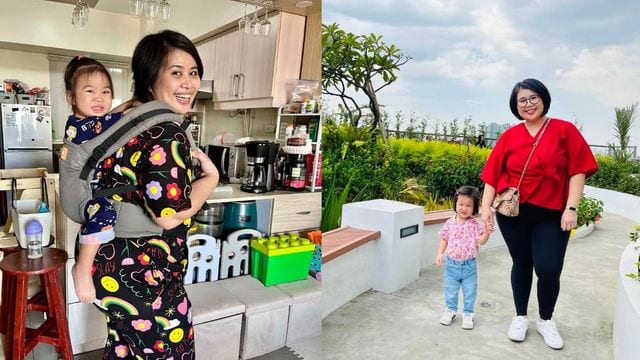
Maria Krisette Capati-Lim is a mother and professional writer who works as a content marketer and copywriter, specializing in helping businesses succeed in Google search results through both short- and long-form articles. With 13 years of experience working remotely with international clients, she shares her journey as an “outlier” in her field.
In a Facebook post, she recounted a conversation with her coach about her struggles as an outlier–balancing her high-achieving personality with workplace harmony. She asked: "Having an achiever talent sometimes (I think) may intimidate others in one of the companies I work with. Sometimes I am thinking of just taking it slow and chill, so that I will have harmony with the people around me. How can I strike a balance of making sure I am still at my best without causing someone not to compare themselves or get intimidated?"
Her coach advised her to continue doing things her way while also setting boundaries to clarify her unique approach: "You can communicate how you do things so you can set boundaries and they have clear interpretation how you do it…"
She concluded her post with: "I'm a mom raising an outlier. Never settle for mediocrity."
What Does Raising an Outlier Mean to Krisette?
When we asked Krisette what raising an outlier meant to her, she shared:
“Being an outlier means choosing to parent differently from the conventional norms I grew up with. For me, the notion of an ‘outlier’ is rooted in the idea of deviating from the norm, not for the sake of comparing myself or my kid to other people or achieving a goal or result, but focusing more on the process of development. For me, it's an unconventional ‘HOW.’ As inspired by Malcolm Gladwell's book, The Outliers, I view an outlier as someone who approaches life differently, not bound by traditional expectations or processes. This philosophy extends to my parenting style and how I raise my child. When I say I'm raising an outlier child, I'm preparing her to be more emotionally intelligent, resilient, and empathetic—and the process itself of how I do it is outside of the conventional parenting approach.
“As a mom, being an outlier means choosing to parent differently from the conventional norms I grew up with. My upbringing involved strict rules, high expectations, and physical discipline like spanking and critical words, which also affected my adult life. However, I realized when I became a mom, I needed to be emotionally regulated and parent myself first before I parent my child, requiring a more different approach to parenting."
Krisette is the mom of a 2-year-old daughter, Anika, who speaks Kapampangan, Mandarin, Tagalog, and English. Here’s how she nurtures Anika’s growth through intentional routines and principles:
Raising an Outlier
Regulating Emotions
Krisette is intentional in raising her child, and she believes that raising an outlier child starts with “parenting herself.” She aims to understand her own personal triggers, helping her become more respectful, gentle, and firm to her child.
Each night, Krisette and Anika share a bedtime routine where Krisette asks questions like:
What made you happy today?
What made you sad today?
Saan ka nag enjoy sa mga ginawa mo today?
As for their bedtime routine, she associates reading books with her daughter as their way to bond. Her daughter calls this their "family time." Routines are essential in helping children learn to trust because they know that there is predictability in what they are about to do.
"Sleep Early to Wake Up Early"
Raising an outlier child starts with the little habits we do, such as sleeping early to wake up early. In a world where parents sometimes allow children to opt out of their routines, Krisette knows the importance of structures that help her daughter.
"I've always struggled with waking up early, which affects my productivity when I wake up late the next morning. When it dawned on me that sleeping early and creating pre-bedtime routines like no gadgets 1 hour before bedtime helped me wake up early and do a lot of activities and tasks. This also helped me exercise 3-4 times a week and also gave me time for journaling and meditation early in the morning. When I established this routine, it also affected my child's sleeping routine, which is a win for us—she sleeps early too and wake up just in time for her according to her body clock," she notes.
Reading Books and Educating Oneself
Since Krisette is a fan of self-help books, she develops intentional habits through time. Reading helped her explore books on parenting, personal development, and business. She says:
"Reading for me is therapy… I get to enjoy it early in the morning. Regular exercise like strength training, kettlebell workouts, yoga, and golf are integral to my routine, ensuring that I maintain both physical and mental well-being. This commitment to self-care reflects my belief in balancing personal health with professional responsibilities.
“When I took time to learn more and level up in reading books that will help me improve individually, this helped me realize that a unique parenting approach is needed to raise a child if I want her to have that self-awareness at an early age."
Anika shares her mother’s interest and love for books, and they often enjoy storytelling sessions together.
Articulating Thoughts and Communicating Well
Krisette is proud of Anika’s communication skills, noting that her daughter can describe objects, feelings, and thoughts effectively. She also said she is "conversing with her right now as if I'm talking to an adult."
Exhibiting Emotional Intelligence
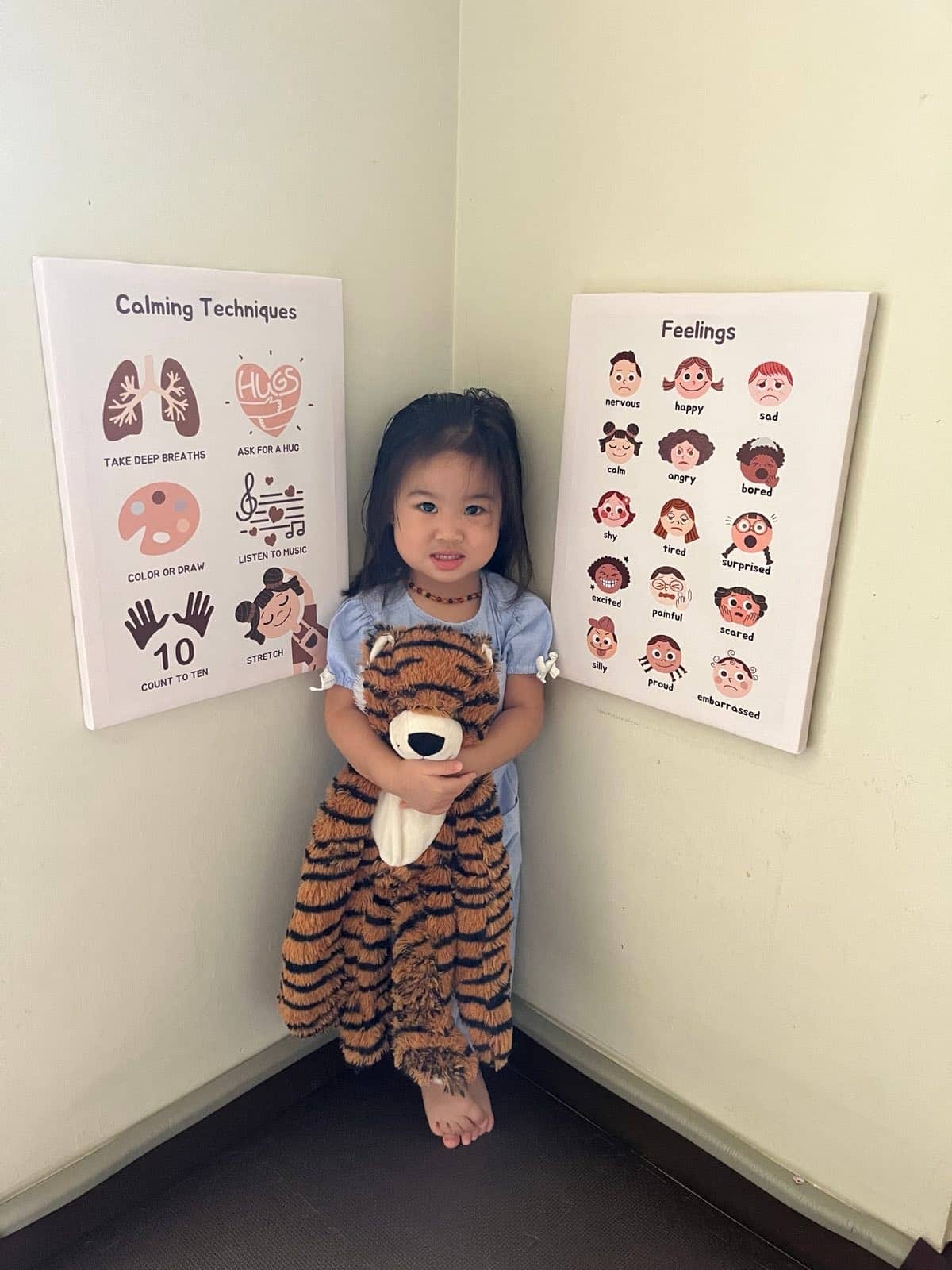
"She can easily express her emotions and often inquires about me, her dad and Yaya, demonstrating empathy and self-awareness. She’d often ask: “Mommy, anong feeling mo ngayon?” Or whenever she saw me working with a different facial expression, she'd just ask, "Mommy happy ka?" And I'll reply, "Actually hindi. Medyo not okay si mommy.” Her ability to express how she feels, such as explaining why, surprises me as well. There was this time that she just abruptly said while she was playing, "Sad ako kanina kasi wala ka."
Following the "Child-Led Choices but Parent-Coach Approach"
Children are not miniature versions of ourselves. While parents can influence their decision-making, letting a child make responsible choices is one way Krisette develops her daughter's independence and confidence.
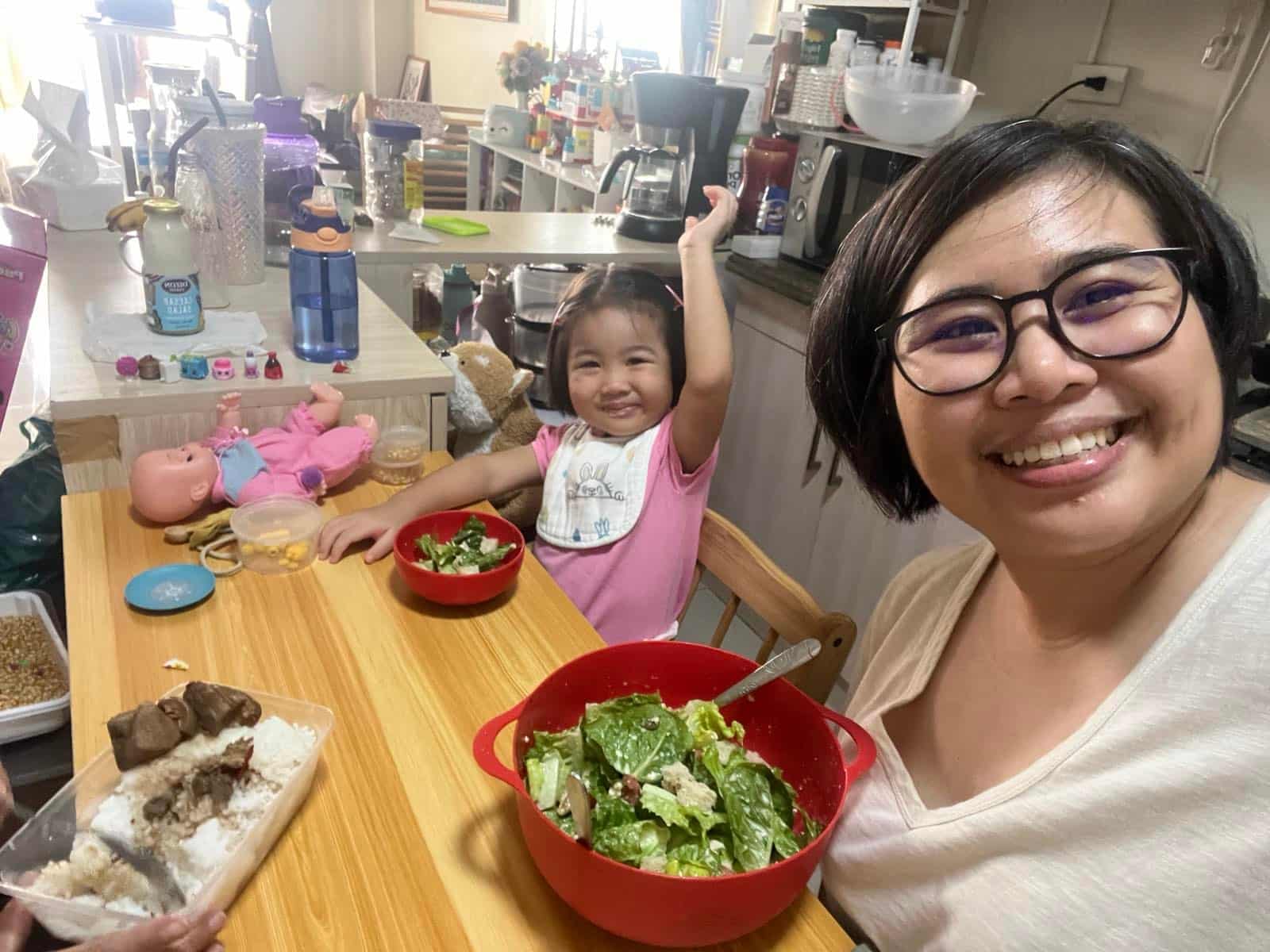
For example, Krisette lets Anika choose her outfits or what toothbrush to use. However, she and her husband ensure that they give her non-negotiables such as meal times, sleeping, and bath time. They let Anika make choices, but within the boundaries they set. Krisette shares:
“She enjoys vegetables and healthy foods like lettuce, Korean seaweed, almonds, walnuts, peanuts, barley juice, prunes, and fruits. As I eat salads, fish, and nuts, she likely picked up the habit from me. We maintain structured meal times—breakfast, lunch, and dinner.
“Breakfast usually includes oatmeal, but she gets to choose the yogurt flavor to mix in. For desserts, she can select jelly ace, pudding, fruits, or sugar-free chocolates—only if she finishes her meal. If not, no dessert, but we calmly remind her: ‘Okay lang if you don't finish, pero wala kang dessert.’
“Lunch and dinner feature staples like sinigang, tinola, or nilaga, and dessert choices empower her and boost her confidence.”
Supporting Physical Activity
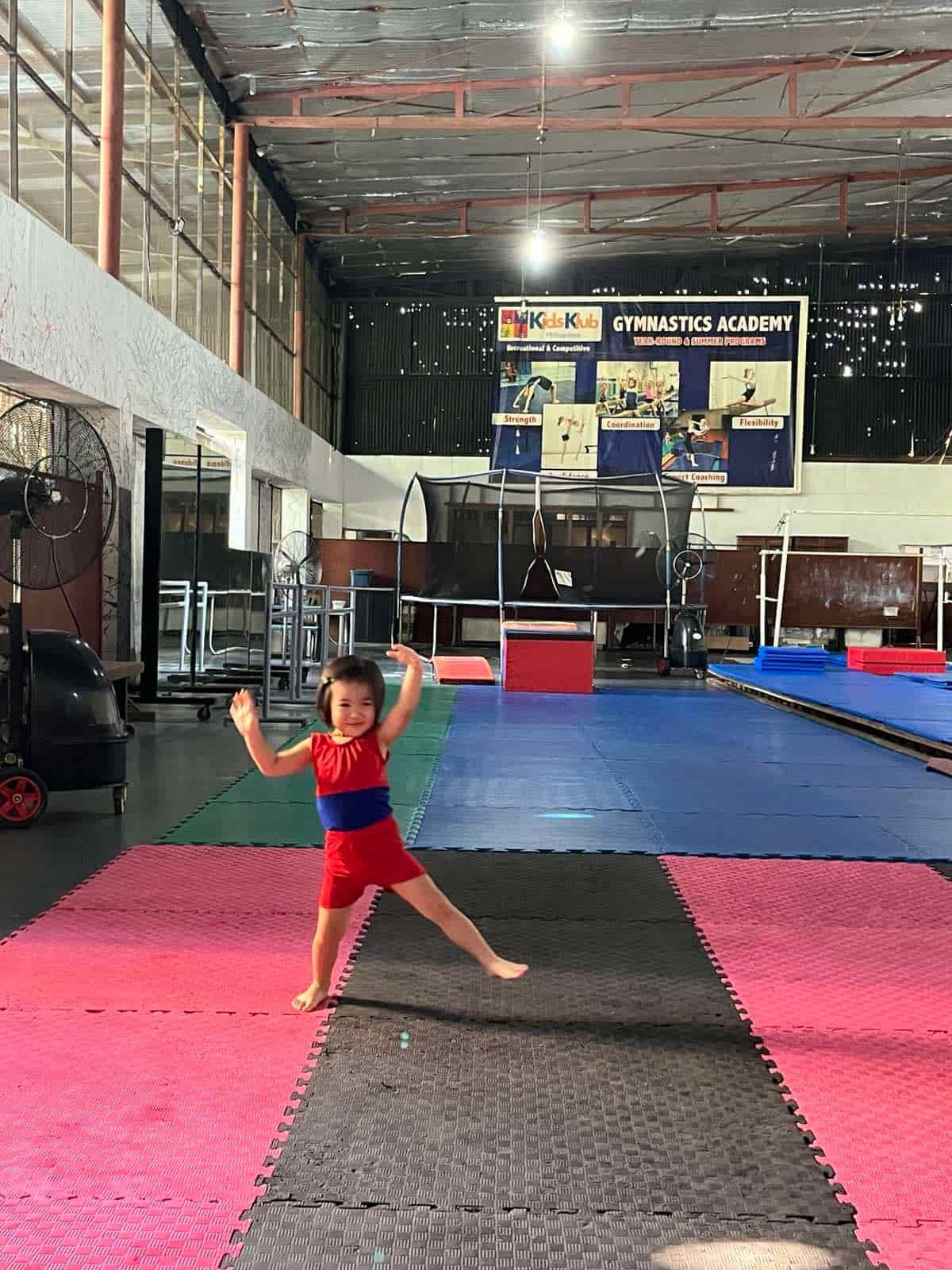
Mindful of today’s sedentary lifestyle, Krisette enrolled Anika in gymnastics, helping her build strength and discipline.
"What is unique about her is that at her age, she can already follow through the coach's instructions. But she also practices her routine at home even after her gymnastic sessions without us telling her to do so. She also has a trampoline, which is a lifesaver for us because she can spend all her energy jumping until she's tired."
Teaching Financial Awareness
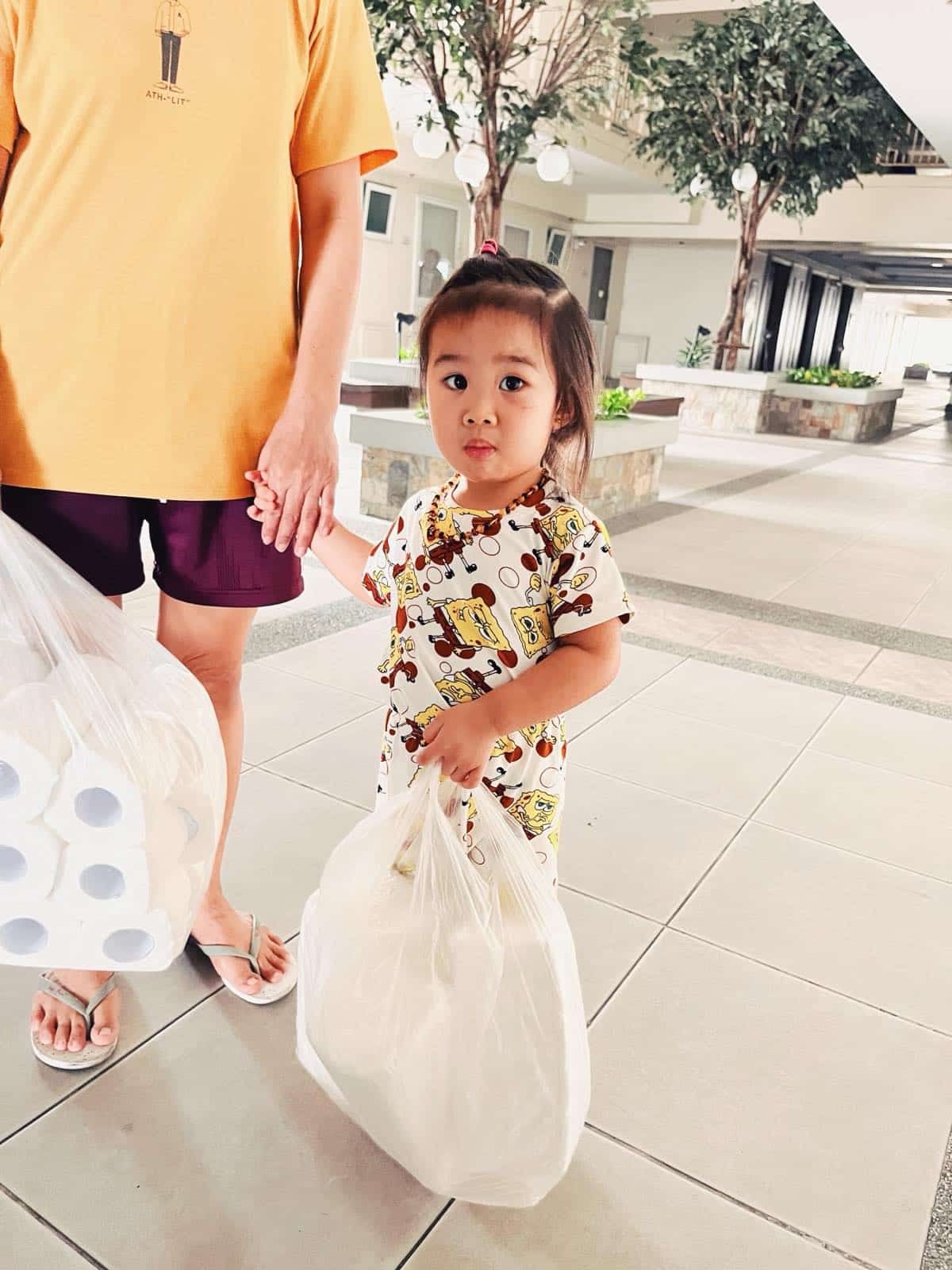
She taught Anika the value of delaying gratification by letting her know that money is earned. Since they live in a condominium, she involves her in their small business, where she helps in delivering goods. They make sure to provide her basic needs, but the wants can wait.
Raising an outlier, for Krisette, goes beyond the traditional focus on academic grades to emphasize character and habits. Strict routines and having constant habits have helped her two-year-old daughter exhibit exemplary behavior. For Krisette, the didactic approach to parenting is not a norm. It is through her own behavior and routines as a mom that her child also learns to perform higher and better.
For Krisette, “The concept of being better is what I embrace rather than ‘being the best.’ 1% better keeps me on the ground, because I know there's always room for improvement."
Science says this is how you can raise an academic achiever.
What other parents are reading

Lorem ipsum dolor sit amet, consectetur adipisicing elit, sed do eiusmod
Lorem ipsum dolor sit amet, consectetur adipisicing elit, sed do eiusmod
