Before Smart Parenting: Hope, Waiting, and the Trying-to-Conceive Journey
The road to parenthood isn’t always easy. For many couples, it takes time, strength, and hope.

Published on Mar 24, 2026
For many couples, the decision to start trying for a baby is filled with excitement, anxiety, and anticipation. It often begins with hopeful conversations, plans for the future, imagined numbers of boys or girls to have, and the belief that pregnancy will happen quickly. But it doesn’t always happen as planned. That’s why in Before Smart Parenting, we honor the grueling journeys that begin long before that coveted first day of parenthood—the quiet waiting, the unseen struggles, and the hope that keeps families going.
For the launch of Before Smart Parenting, Smart Parenting spoke with three new parents about their inspiring yet challenging journeys to conception. They shared stories that may not follow the usual path, but are deeply personal and unique in their own way.
Lottie Bie’s Journey to Conceiving
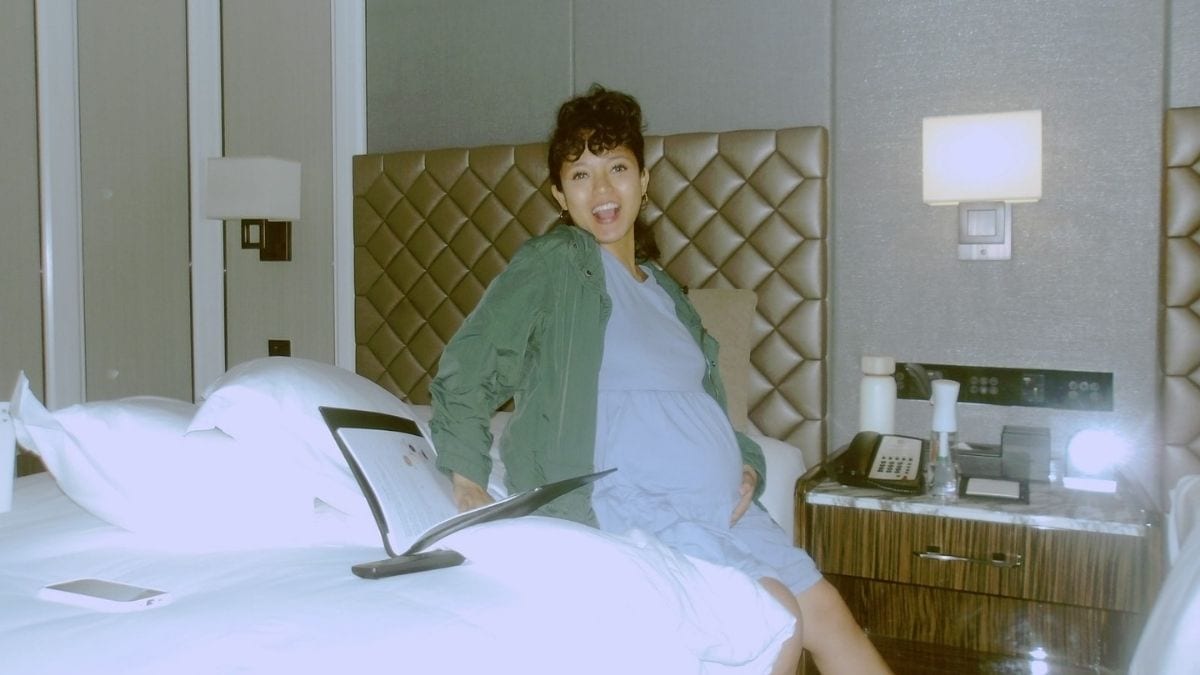
Director and content creator Lottie Bie recalled her journey to conceiving, “To be honest, before ako ma-diagnose with endometriosis, I thought it would be so easy. I thought na optional sa akin ang magkaanak. Having a child, I thought it's something na parang kaya kong piliin kung kailan mangyayari.”
After all, it’s something that seems to happen so easily for others.
With a slight sense of regret, she remarked, “Eh di sana pala, nung pagkakasal pa lang namin ng asawa ko, hindi na kami nag-hintay. Kasi sabi ko, sige, let's wait for a couple of years bago tayo mag-baby kasi, you know, we want to enjoy each other's company. Pero since the diagnosis, biglang, okay, hindi ko pala siya choice. I don't get to choose when to have kids.”
Yes, for many hopeful parents, the journey to conception is far more complicated than expected.
Before Smart Parenting: Lottie Bie's Journey to Conceiving
Read hereMike and Gia’s Unwavering Faith

Mike and Gia Lao understand this journey deeply. For 12 long years, they waited and prayed for the chance to hold a child of their own. Gia told Smart Parenting, “...ang hardest part is yung waiting season. Seeing your friends, your workmates, mga kasabayan at ka-edaran ko na nagkaka-anak. Maraming factors, parang you feel left out.” Gia battled endometriosis and also suffered a miscarriage. Theirs is a story of unwavering faith through the long wait.
Truth be told, trying to conceive (often called TTC) can become an emotional rollercoaster—one that involves hope, waiting, excitement, sometimes disappointment, and the courage to try again. While some couples become pregnant within a few months, others find themselves facing a longer, more uncertain road–sometimes accompanied by help from modern science.

Before Smart Parenting: Unwavering Faith Through the Long Wait
Read hereEm and Jouie’s Journey From Infertility to Twins
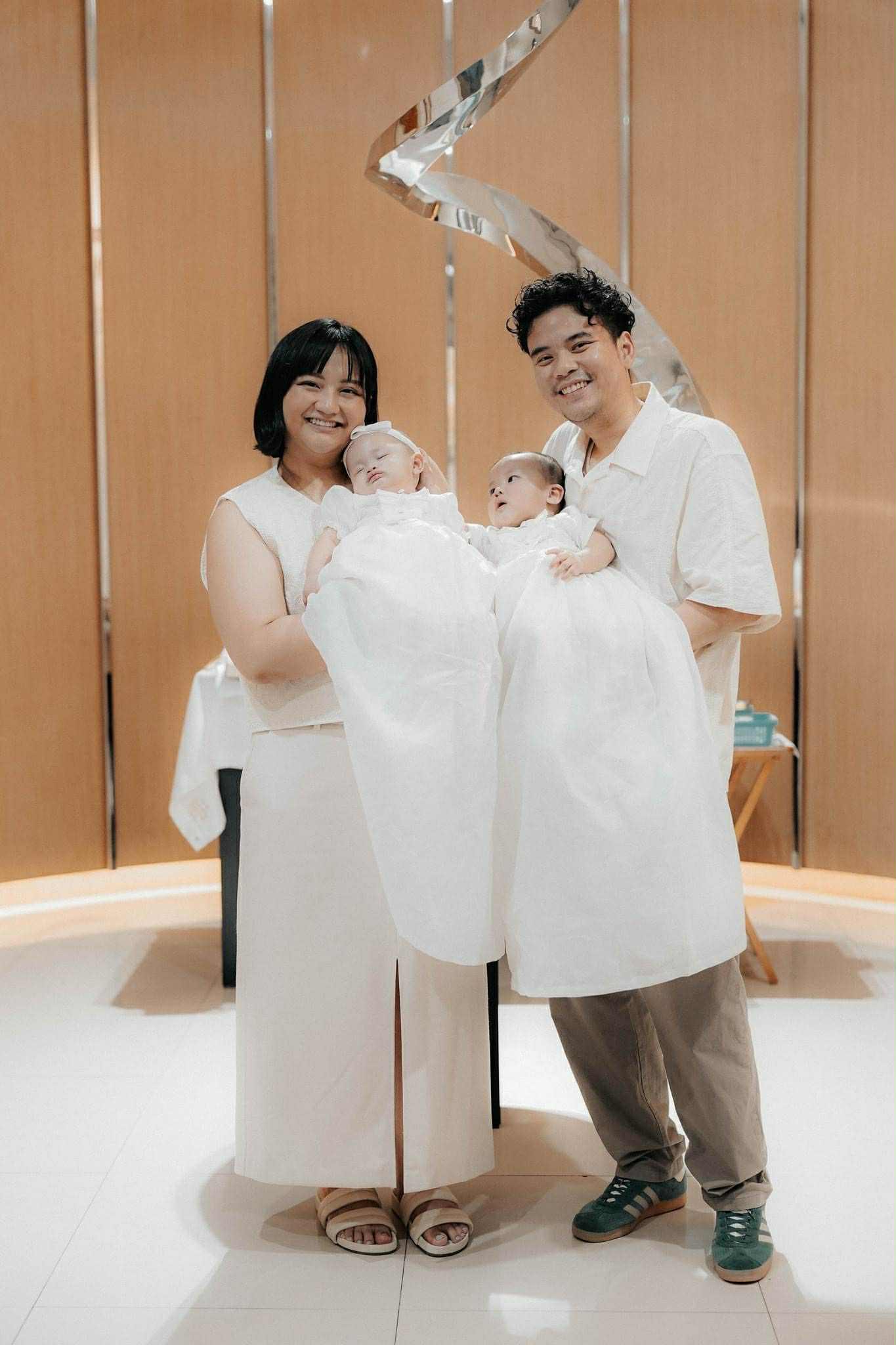
For Em and Johanna “Jouie” Dominguez, married for 16 years, the road to parenthood took many turns: acupuncture, Polycystic Ovary Syndrome (PCOS) medication, herbal supplements, attempts to lose weight, and eventually an unexpected turn toward in vitro fertilization (IVF).
It was not an easy feat and Jouie knew that no one can fully understand the struggle TTC couples face. She said, “...when you’re going through a fertility problem, sometimes even your closest friends who are not going through the same thing might not understand you. But it doesn’t mean they’ve lost interest in your life. It’s just that no one would entirely understand what you’re going through.”
After five long years of trying to conceive, the journey tested their patience and faith until their lives changed with the arrival of their long-awaited miracle—their twins.
.png)
Before Smart Parenting: From Infertility to Twin Babies
Read hereThe Reality of Trying to Conceive
Many people assume that once they decide to have a baby, pregnancy will happen right away. In reality, conception can take time even for healthy couples.
Medical experts generally say that couples under 35 with no known fertility issues may take up to a year to conceive. For those over 35, it may still take several months. This is because the chances of conceiving in any given cycle are lower than many people realize.
According to studies, fertility naturally decreases with age for both men and women, although the impact is more pronounced in women. By their 30s, women are generally about half as fertile as they were in their early 20s, and the likelihood of conceiving drops more noticeably after age 35.
Philippine Statistics Authority (PSA) data reveals that the total fertility rate among Filipino women aged 15 to 49 dropped from 2.7 children per woman in 2017 to 1.9 in 2022. Globally, it is estimated that one in every six people of reproductive age worldwide experience infertility at some point in their lifetime, according to the World Health Organization (WHO).
Infertility: When Trying Takes Longer Than Expected
Many couples begin tracking ovulation, monitoring menstrual cycles, and learning about the fertile window. While these tools can help increase the chances of conception, they can also make the process feel more stressful. Instead of something spontaneous and joyful, trying to conceive can start to feel like a carefully timed routine.
And when trying stretches to a full year or more of regular unprotected sexual intercourse without a successful pregnancy, infertility issues may need to be considered.
According to the World Health Organization (WHO), infertility may be caused by a number of different factors affecting either the male or female reproductive systems, as well as lifestyle factors such as smoking, obesity, and excessive drinking. Exposure to environmental pollutants and toxins may also affect the quality of eggs and sperm.
In the female reproductive system, infertility may be caused by:
Tubal disorders (such as blocked fallopian tubes)
Uterine disorders (such as such endometriosis, septate uterus, or uterine fibroids)
Disorders of the ovaries (such as polycystic ovarian syndrome)
Disorders of the endocrine system that cause imbalances in reproductive hormones
In the male reproductive system, infertility may be caused by:
Obstruction of the reproductive tract
Hormonal disorders that lead to abnormalities in hormones produced by the pituitary gland, hypothalamus, and testicles
Testicular failure to produce sperm
Abnormal sperm function and quality (issues with sperm shape and motility)
Doctors often recommend seeking medical advice if a couple has been trying for a year without success. Fertility testing can help identify possible issues and guide couples toward appropriate treatments or support.
Facing Infertility with Assisted Reproductive Technology
Learning that one may be infertile can be heartbreaking. It may bring feelings of grief, frustration, and even guilt. Some people may question their bodies or blame themselves, even though fertility challenges are sometimes beyond anyone’s control.
Yet infertility does not mean the end of hope.
Advances in reproductive medicine have created more options than ever before. Treatments such as ovulation induction, surgical procedures (including treatment for endometriosis), repair of the fallopian tubes, removal of scarring (adhesions) within the womb or abdominal cavity, intrauterine insemination (IUI), and in vitro fertilization (IVF) have helped many families achieve pregnancy.
IUI is often used as a first-line treatment for infertile or subfertile couples among assisted reproductive technologies. It is commonly chosen because the procedure is relatively simple, easy to manage, associated with a low risk of complications, and more affordable compared with other fertility treatments. According to a study, success rates for IUI can vary, but international reports show an average pregnancy rate of about 9% per cycle. In the Philippines, IUI is estimated to cost around P35,000 to P50,000.
IVF, on the other hand, is a series of advanced medical procedures that can help lead to pregnancy. It is commonly used to treat infertility, which is when a couple has not been able to conceive after at least a year of trying. IVF may also be used to reduce the risk of passing certain genetic conditions to a child, according to the Mayo Clinic.
During the process, mature eggs are retrieved from the ovaries and fertilized with sperm in a laboratory. The resulting fertilized eggs, called embryos, are then placed into the uterus, where pregnancy develops. A complete IVF cycle usually takes about two to three weeks, although some steps may be done separately, which can make the process take longer. In the country, IVF can cost around P250,000-P500,000 or up to P4,800,000 under a baby-guarantee program.
Finding Strength Along the Journey
Trying to conceive can test patience, resilience, and emotional strength. That’s why support is so important. Open communication between partners can help couples navigate the ups and downs together. Sharing fears, hopes, and frustrations can strengthen the relationship during difficult moments.
Empathetic support for each other can make the journey more bearable. Yes, the experience may involve waiting, disappointment, and difficult decisions. But it can also reveal resilience, compassion, and the strength to keep hoping.
Many people also find comfort in speaking with counselors, fertility specialists, or support groups. Connecting with others who are experiencing similar challenges can help reduce feelings of isolation.
Self-care also plays a vital role. Taking breaks from constant tracking, focusing on mental health, and maintaining activities that bring joy can help restore emotional balance. Eating a healthy diet and getting enough sleep can also help reduce stress.
Every fertility journey is unique. And while the path may not always unfold as expected, the hope of building a family continues to guide many couples forward—one step, one cycle, and one hopeful moment at a time.
Here are a few things to remember when supporting friends trying to conceive.

Robi Domingo Talks About Maiqui’s Pregnancy After Health Battle
Read hereA doting mother of two, April finds her greatest joy in traveling to new places with her family. When she's not chasing new horizons or penning down her thoughts, she channels her creativity into cooking, baking, or getting lost in the pages of a beloved book.
Read more stories about