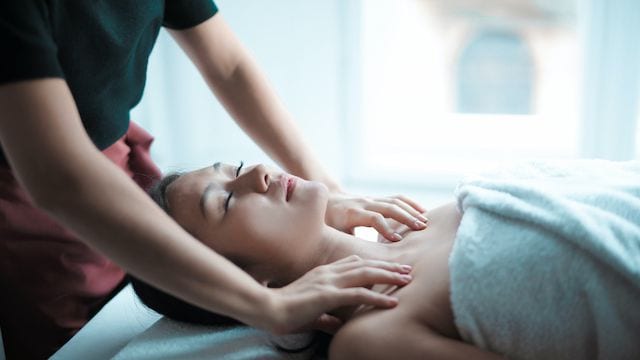
Pregnancy, especially during the third trimester, brings about a lot of aches, pains, and discomfort. Whether you are a new mother or an experienced one, you are not spared from the back, hips, rib, and groin pain as the baby becomes heavier and bigger--pushing your organs out and sitting on your bladder.
After giving birth, your body will begin getting geared up for healing and recovery, but you will still experience some sore muscles here and there, either from childbirth itself or from breastfeeding--or simply from lack of proper sleep. And in this phase of motherhood where your newborn is tied to your hip (or should I say breasts?!), nothing is probably more comforting than getting a good massage session.
After all, you’ve carried a human being for 9 long months, so a pampering feat like a postpartum massage is something that you absolutely deserve.
But is it safe?
Read Also: Sumasakit ang likod Pagkapanganak? 3 Kadalasang Dahilan Ng Postpartum Back Pain
Let's Talk About the Benefits First
Relieves Aches and Pains
The most obvious benefit of postpartum massage is relief from strains from lifting, cradling, and taking care of the baby. Breastfeeding can also affect the neck, shoulder, and back, especially for new mothers who are still trying to find the best latching position for their little ones. Note that the body is also taking its time to recuperate and return to pre-pregnancy state, thus joints and ligaments will remain somewhat loose for approximately 5-12 months postpartum—making you susceptible to sprain, strain, and over stretched muscles.
Aids Breastfeeding
According to a 2011 study, breastfeeding mothers who received two 30-minute breast massages within 10 days postpartum reported a decrease in breast pain compared to those who received routine care. It was also observed that there was an increase in number of times newborn suckled after the first and second massage. Likewise, in a 2019 study, regardless of breast massage techniques, reports showed breast pain reduction. Breast pain can be caused by clogged ducts, engorgement, and mastitis. Additionally, breast massage can help fully empty your breasts and therefore increase milk production.
Helps Sleep Better
Having to care for a newborn can be very tasking and exhausting for both parents. Since mothers typically look after and feed the baby round the clock, they’re bound to lose much sleep in the early weeks postpartum. Massage can release tension, calm the mind, and relax the muscles which prepare the body for a revitalizing sleep.
Reduces Swelling
During the last stages of pregnancy, soon-to-be mothers may experience fluid retention. Postpartum massage can help drain the lymphatic system and clear extra fluids collected in the arms and legs. Improved circulation through massage can also flush excess water and toxins.
Improves Mood and Mental Health
Hormones are in haywire during pregnancy and will slowly stabilize after giving birth. Mood swings and baby blues should improve through time. However, other factors such as poor sleep, inability to eat on time, and added anxiety that Motherhood sometimes bring play a crucial role to her emotional well-being. This can trigger irritability and sensitivity, so it is important to find time for restorative sleep and relaxation.
Reduced stress levels brought about by postnatal massage can aid in managing cortisol (stress hormones) through increased serotonin and dopamine (happy hormones).
It is always safer to ask your attending physician first before engaging in postpartum activities.
Now, Let’s Talk About The Risks
C-Section Consideration
After a C-Section, a mother can generally receive a full body massage 6-10 weeks postpartum. However, this should be communicated to your attending physician as you do not want to put additional strain on the incision during the massage. The site of the epidural may still be sore as well so it won’t hurt mentioning this to your therapist so that area can be avoided.
Traumatic Childbirth and History of Blood Clots
It is highly imperative to discuss with your OB-GYNE if postpartum activities such as massage can affect your well-being based on your clinical history. If circumstances are unusual or potentially life-threatening, one must weigh the value between risks and benefits.
Are They True Therapists?
One of the key things in clinical care is that health-related procedure must be done by someone who is trained in that field. You can consult your doctor or ask your lactation consultant for recommendation on therapists. You need trustworthy individuals who can get the job done right. This is somehow a vulnerable spot for you and we don’t want you to get injured by hiring services of unreliable people.
Read Also: Surprising Benefits of Prenatal and Postnatal Massage
So, Is It Safe?
Postpartum massage, assuming there were no childbirth complications and other health considerations, is generally safe for mothers who have recently given birth. It has a lot of benefits to aid postpartum recovery, both physically and mentally.
As a rule of thumb, however, it is always safer to ask your attending physician first before engaging in postpartum activities. And should you do it, always seek for a professional.
Sources: Live Science, Romper
New parents can go on a staycation in this postpartum hotel that provides 24/7 care and lactation support! Read it here.
What other parents are reading

Lorem ipsum dolor sit amet, consectetur adipisicing elit, sed do eiusmod
Lorem ipsum dolor sit amet, consectetur adipisicing elit, sed do eiusmod