
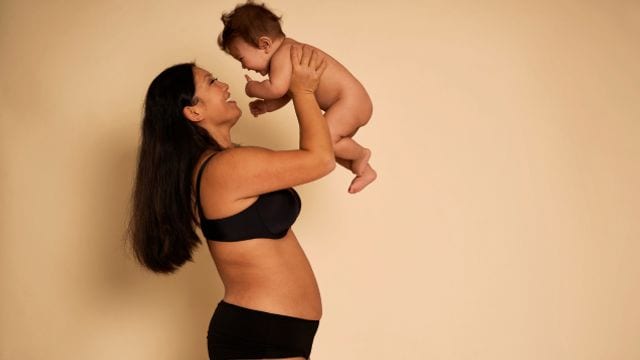
The journey of motherhood is incredible, but the postpartum period is another distinct story to tell. Often called the "fourth trimester," which, according to What To Expect, is "that hazy period where you’re recovering from pregnancy and delivery while simultaneously learning how to be a mom as your baby adjusts to life outside the womb," postpartum is a time of immense physical and emotional (and shall I dare say, 'hormonal') changes as your body gradually recovers.
After giving birth, indeed, the next chapter of your life as a mother begins.
Also Read: Fourth Trimester Care For Moms: A Comprehensive Guide
While everyone is eager to offer advice, it's crucial to know what not to do after giving birth to ensure a smooth recovery and healthy start to motherhood. We've rounded up a list of don'ts in the fourth trimester and no, we're not talking about postpartum myths like not taking a bath for a week postpartum nor combing one's hair or not drinking anything cold after giving birth.
10 things NOT to do after giving birth
1. Don't overexert yourself.
This is perhaps the most important piece of advice. Your body has just gone through a major physical event, whether a vaginal or C-section delivery. Rest is paramount. Avoid strenuous activities like heavy lifting, rigorous exercise, or even excessive housework. According to an American journal on physical activities postpartum, "Exercise routines may be resumed gradually after pregnancy as soon as medically safe, depending on the mode of delivery (vaginal or cesarean birth) and the presence or absence of medical or surgical complications." Your body needs time to heal, and pushing yourself too hard can lead to complications like postpartum hemorrhage, wound dehiscence (in C-sections), or pelvic floor issues.
Also Read: C-Section Postpartum Care: Do's And Don'ts For The New Mom
What to do instead: Prioritize rest. As the elders say, sleep when your baby sleeps (or at least try to). Ask (and accept) help from family and friends. Delegate tasks and focus on bonding with your baby. Light walks are generally okay after a few weeks, but consult your doctor before resuming any significant exercise.
2. Don't neglect your nutrition and hydration.
Proper nutrition is essential for healing, milk production (if breastfeeding), and overall well-being. Avoid restrictive dieting or skipping meals. Your body needs nutrient-rich foods to recover and fuel your new role. Similarly, staying hydrated is crucial. Dehydration can lead to constipation, fatigue, and decreased milk supply.
What to do instead: Focus on a balanced diet rich in fruits, vegetables, whole grains, and lean protein. Drink plenty of water throughout the day especially when you are breastfeeding. Keep healthy snacks readily available. If breastfeeding, consult a lactation consultant or registered dietitian for personalized dietary advice.
Also Read: Lactation Consultant, Educator, Specialist: What's The Difference?
3. Do not ignore mental well-being.
The "baby blues" are common among new mothers. These feelings of sadness, anxiety, or irritability usually subside within a couple of weeks. However, if these feelings persist or worsen, it could be postpartum depression (PPD) which is a serious condition requiring professional help. Ignoring your mental health can have significant consequences for both you and your baby.
Also Read: Beyond 'Baby Blues': Understanding Maternal Mental Health
What to do instead: Be aware of the signs and symptoms of PPD. Talk to your doctor, partner, or a trusted friend about how you're feeling. Seek professional help from a therapist or psychiatrist if needed. Remember, seeking help is a sign of strength, not weakness.
4. Don't isolate yourself.
While you may feel like staying home with your newborn, social isolation can exacerbate feelings of loneliness and depression. Part of taking care of your mental health is connecting with other new parents, family, friends or online parenting communities can provide much-needed support and a sense of community.
What to do instead: Reach out to other moms, join a new parent group, or connect with friends and family. The Smart Parenting Village caters to more than 110,000 moms and dads to give you a safe space and deep sense of belonging while you journey your way to motherhood.
Also Read: Need Breastfeeding Support? These Online Communities Can Help You
5. Don't put too much pressure on yourself.
The postpartum period is a time of adjustment. It's okay if you don't feel like you have everything figured out immediately. Avoid putting too much pressure on yourself to be the "perfect" mother. There's no such thing!
What to do instead: Be kind to yourself. Focus on bonding with your baby and learning their cues. Embrace the imperfections and celebrate the small victories. Remember that every baby and every postpartum experience is different.
Also Read: What If It's Not Postpartum Depression? Understanding Matrescence
6. Don't return to pre-pregnancy activities too soon.
While you may be eager to return to your pre-pregnancy routine, it's important to take things slowly. Returning to work, social engagements, or even household chores too soon can hinder your recovery and increase your stress levels.
What to do instead: Gradually ease back into your pre-pregnancy activities. Prioritize your physical and mental health. Don't be afraid to say no to commitments if you're not feeling ready.
Also Read: 4 Ways Abdominal Binders Can Be Essential to Your Postpartum Recovery
7. Don't neglect pelvic floor health.
Pregnancy and childbirth can significantly impact your pelvic floor muscles. Ignoring these muscles can lead to issues like incontinence, pelvic pain, and prolapse. Women who may be suffering from abdominal separation or extreme low back pain postpartum, including those who want to check if their core muscles are working properly and their current exercise routines are safe, as well as women wanting to return to sports after child birth would benefit from consulting physiotherapy clinics.
What to do instead: Talk to your doctor or a pelvic floor physical therapist about exercises you can do to strengthen your pelvic floor. Physio Asia Therapy Centre Philippines (0917 165 4933) and Prohealth Sports and Spinal Physiotherapy Centers (02 8 633 6410) have dedicated post natal care programmes and women's health physiotherapy.
8. Don't compare your baby to others.
Every baby develops at their own pace. Comparing your baby to others can lead to unnecessary anxiety and self-doubt.
What to do instead: Focus on your baby's individual milestones and celebrate their progress. Talk to your pediatrician if you have any concerns about your baby's development.
Also Read: You Love Your Kids But Resent Motherhood: Maternal Ambivalence
9. Don't disregard medical advice
Always follow the advice of your healthcare provider. If you have any questions or need clarification, don't hesitate to ask. Ignoring medical advice can have serious consequences for your health and your baby's health.
Following the guide on Basic Emergency and Obstetric Care, we should be able to observe and raise the below concerns postpartum. Do not ignore:
- Elevated blood pressure
- Heavy vaginal bleeding
- Fever or Foul-Smelling Lochia
- Pus or Perineal Pain
- Feeling Unhappy or Crying Easily
- Vaginal Discharge 4 Weeks After Delivery
- Breast Problem
- Coughing or Breathing Problems
What to do instead: Attend all scheduled postpartum checkups. Contact your doctor if you experience any concerning symptoms, such as heavy bleeding, fever, severe pain, or signs of infection.
Also Read: Postpartum Recovery Plan: A New Mom’s Checklist Following A Vaginal Birth
10. Don't put self-care on the back burner.
While your focus is understandably on your newborn, it's essential to prioritize self-care. Taking care of yourself is not selfish; it's necessary for both your well-being and your ability to care for your baby.
Also read: Why Prenatal And Postpartum Yoga Is A Long-Lasting Gift You Can Give Yourself, Mom
What to do instead: Schedule some "me time," even if it's just for a few minutes each day. Take a warm bath, read a book, or listen to music. Ask your partner, family member, or a friend to watch the baby so you can have some time to yourself.
Also Read: Postpartum Checkup: Don't Wait for Six Weeks Before Having One
It's going to be okay, Mama
The postpartum period is a time of significant transition. By understanding what not to do, you can prioritize your health and well-being, allowing you to embrace the joys and challenges of new motherhood fully. Remember to be patient with yourself, seek support when needed, and enjoy this special time with your little one while making self-care a priority.

Rage is another symptom of postpartum depression. Here's what you need to know.
More from sp

Lorem ipsum dolor sit amet, consectetur adipisicing elit, sed do eiusmod
Lorem ipsum dolor sit amet, consectetur adipisicing elit, sed do eiusmod
