
October 10 is World Mental Health Day.
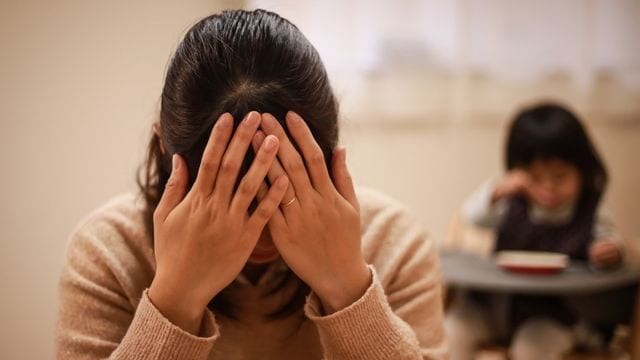
According to the World Health Organization (WHO), this day aims to raise awareness of mental health issues around the world and to mobilize efforts in support of mental health. WHO reports that maternal mental health issues are recognized globally as a significant public health concern. Around 10% of pregnant women and 13% of new mothers worldwide experience mental health disorders, primarily depression. In developing countries, the rates are even higher, with 15.6% of women affected during pregnancy and 19.8% postpartum. In extreme cases, the severity of these mental health struggles can lead to tragic outcomes, such as suicide.
In a Philippine study, it was found out that “the prevalence of postpartum depression is at 16.4% at the 6th week postpartum,” noting that occupational and marital problems can also pose risks in developing such disorder.
What is maternal mental health and who is at risk?
“Maternal mental health refers to a mother's overall emotional, social, and mental well-being, both during and after pregnancy,” according to Health Resources and Services Administration (HRSA) on Maternal and Child Health.
This crucial phase in a woman’s life involves significant physical and emotional changes, which can lead to various mental health challenges. Some common maternal mental health conditions include postpartum depression, anxiety, and in more severe cases, postpartum psychosis.
Related Read: Losing Touch With Reality Can Happen to Moms Postpartum. It Requires Immediate Help
According to WHO, nearly all women are vulnerable to developing mental health disorders during pregnancy or within the first year postpartum. However, certain factors can significantly increase this risk. Women facing poverty, migration, high levels of stress, exposure to violence (whether domestic, sexual, or gender-based), or those living in emergency, conflict, or disaster situations are at a heightened risk. Low social support also exacerbates the chances of developing specific mental health conditions during this critical period.
After giving birth, mothers experiencing depression may struggle with basic self-care, such as eating, bathing, or maintaining overall health, which can lead to a decline in their physical well-being. In rare cases of psychosis, there is also the risk of harm to the infant (infanticide).
Common maternal mental health disorders
Below are the samples and signs of common maternal health disorders.
Postpartum Depression (PPD)
PPD affects about 1 in 7 women, with symptoms such as prolonged sadness, hopelessness, and difficulty bonding with the baby. Unlike the temporary "baby blues," PPD can persist for months.
Common postpartum depression signs according to HRSA are:
- Feeling sad or hopeless most of the time
- Having no interest in things you used to enjoy
- Not caring for yourself as well (dressing, showering)
- Trouble focusing
- Not managing daily chores
- Sleeping or eating too much or too little
Postpartum Anxiety
This involves extreme worry, tension, and fear regarding the baby’s well-being or the mother’s role. It can disrupt daily functioning and sleep.
Common postpartum anxiety signs according to HRSA are:
- Worrying about your baby or yourself often
- Feeling uneasy or nervous
- Feeling irritable or angry for no obvious reason
- Having unwanted or disturbing thoughts
- Thinking that you're not a good person or a good parent
Postpartum Psychosis
Psychosis is a rare but serious condition that requires immediate medical attention.
Symptoms of postpartum psychosis:
- Confusion and cognitive impairment
- Coming in and out of consciousness
- Extremely disorganized behavior
- hallucinations and delusion
Perinatal Depression
Depression that occurs during pregnancy (antepartum) can increase the likelihood of complications and lead to postpartum depression.
Symptoms according to Psychiatry.org:
- Feeling sad or having a depressed mood
- Loss of interest or pleasure in activities once enjoyed
- Changes in appetite
- Trouble sleeping or sleeping too much
- Loss of energy or increased fatigue
- Increase in purposeless physical activity
- Feeling worthless or guilty
- Difficulty thinking, concentrating, or making decisions
- Thoughts of death or suicide
- Crying for “no reason”
- Lack of interest in the baby, not feeling bonded to the baby, or feeling very
- anxious about/around the baby
- Feelings of being a bad mother
- Fear of harming the baby or oneself
The ripple effect: how poor maternal mental health affects the child
According to an online journal, Safeguarding maternal mental health in the perinatal period, “Untreated maternal mental health disorders have been shown to be associated with adverse birth outcomes, such as stillbirth and preterm birth, and detrimental effects on infant development, including cognitive, behavioral, and psychomotor issues, which in turn increases the risk of neuropsychiatric disorders in later life.”
Infants are highly sensitive to their environment, particularly during their earliest stages. If a mother is struggling with mental health disorders, it can negatively impact mother-infant bonding, breastfeeding, and general infant care. Prolonged or severe mental illness can disrupt the attachment between mother and baby, which may have lasting effects on the child's emotional and developmental health.
Meanwhile, according to the Center on the Developing Child, maternal depression can undermine the development of young children. It notes, “Serious depression in parents and caregivers can affect the children in their care. When children grow up in an environment of mental illness, the development of their brains may be seriously weakened, with implications for their ability to learn as well as for their own later physical and mental health.”
Silent struggle: where to ask for help
WHO says that maternal mental disorders are treatable. Effective and early interventions can be delivered through therapy, medication, and support groups which can help manage maternal mental health conditions, improving both the mother's well-being and overall family life.
In the Philippines, Republic Act 11036 is an act established so that there's a National Mental Health policy in the country, for the purpose of enhancing the integrated mental health services and protecting the rights of persons availing psychosocial health services.
MentalHealthPH is operated by National Center for Mental Health. This is available for people with mental health problems, in crisis, or at risk of suicide. The hotline can be accessed 24/7.
Contact Number: 0917-899-8727
For a free self-care kit, click here.
View this post on Instagram
Other platforms for mental health and wellness
Beacon
beacon.ph; care@beacon.ph
Beacon claims to be the first and only holistic mental health and well-being platform specifically-designed for parents. Beacon believes that “well parents parent well.”
Their services include:
- Psychotherapy Session
When anxiety, depression, or stress takes over, life feels overwhelming. - Couples Therapy
When a relationship faces rough patches, with communication and trust issues causing disconnection. - Parent Coaching
When parenting feels like a struggle - Breastfeeding Consultation
When a mom needs certified lactation consultants and trained breastfeeding counselors. - Art as Therapy
When you need visual arts, movement, or sound, for emotional release and deep self-awareness. - Postpartum Fitness Coaching
When you need guidance in regaining your strength from certified postpartum fitness experts. - Lifestyle Medicine Consultation
When you are struggling with chronic health issues and you need evidence-based interventions tailored to your unique needs, focusing on nutrition, exercise, stress, and sleep.
Book your preferred services here.
View this post on Instagram
Empath
Don Jesus Blvd. Alabang Hills Barangay Cupang Unit 301 RB Arcade Building, Muntinlupa City
empath.ph
According to its site, they provide “community-curated mental healthcare services and solutions to workplaces, schools, and non-profits in order to improve the well-being of their communities.”
Their services include:
- Empath Wellness Consults
This is most recommended for first-timers and beginners. - Counseling and Psychotherapy Consults
A compassionate space conducted via video call with a qualified psychologist or counselor, designed to equip clients with coping strategies for mental health concerns. - Psychiatric Consults
Seasoned psychiatrists will review clients’ current stressors and any past medical or psychiatric conditions. Following this assessment, they will engage in a thoughtful discussion about possible treatment options. - Group Therapy, Family Therapy or Couple Therapy
Therapy counseling for shared healing, family, and couples.
Book an appointment here.
View this post on Instagram
Philippine Mental Health Association
www.pmha.org.ph/cisd
Their services include:
- Social Services
Through its Family Support Group (FSG) initiative, family members and caregivers of mental health clients are offered opportunities to improve their caregiving skills. They can share their experiences, concerns, and challenges with one another while participating in psycho-educational or relevant learning sessions designed to help them care for both their loved ones and themselves more effectively. - Psychiatric Services
Diagnostic and treatment services, provided by CISD psychiatrists, are designed to address the specific needs of clients dealing with cognitive, emotional, and behavioral disorders. - Psychological services
“The CISD Psychologists conduct quality psychological evaluation, consultation, psychotherapy and/or counseling services to child, adolescent, and adult clients needing diagnostic assessment and specialized intervention services.” - They also offer intervention programs, including programs for the family.
Book an appointment here.
You are not alone. Share your parenting journey (ups, downs, and run-arounds) on Smart Parenting Village and you would know that we are all in this together, one parenting tip at a time.
Are you in need of free or budget-friendly psychiatric services? Check this.
More from sp

Lorem ipsum dolor sit amet, consectetur adipisicing elit, sed do eiusmod
Lorem ipsum dolor sit amet, consectetur adipisicing elit, sed do eiusmod
