
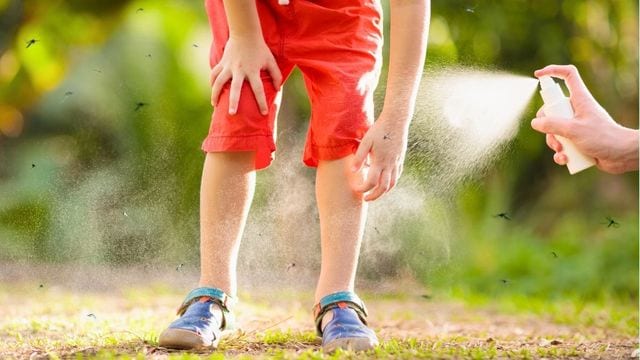
Young children often get insect bites simply from playing outside and staying active. The itch, sting, and red bump that sometimes grow overnight are all part of childhood. While most bites are minor, they can still leave your little one feeling uncomfortable and irritable.
As a parent, it's tough to watch your child constantly scratching, especially if you don't have any creams or ointments on hand. The good news is that there are plenty of gentle, effective home remedies you can use to help ease the discomfort.
ALSO READ: A Primer on Bug Bites and Stings
Which Insects Commonly Bite Children?
First, let's consider the common sources of insect bites in young children:
-
Mosquitoes are most active around dawn and dusk and are attracted to body heat, carbon dioxide, and skin scent.
-
Fleas often enter homes on pets and can infest carpets, bedding, and upholstered furniture, although this is less common in homes without animals.
-
Fire ants sting when their mounds are disturbed, often found in grassy or sandy areas.
-
Bedbugs can hitchhike in soft items like backpacks, bedding, and stuffed toys, especially in shared environments such as daycare or hotels.
Note that some insect bites can lead to illness, depending on the type of insect and the region. Mosquitoes may carry viruses such as dengue, Zika, West Nile, and chikungunya. Flea bites have been associated with diseases like murine typhus. Even if a bite appears minor, it's important to watch for signs of infection or allergic reaction.
Typical Symptoms
Children aged four to five can experience bite reactions ranging from small, itchy bumps to more pronounced welts or blisters. Preschoolers may not verbalize these symptoms but often exhibit behaviors such as scratching, squirming, or avoiding areas where they were bitten.
While mild reactions often fade quickly, scratched bites may take longer to heal. Signs of a serious allergic reaction include widespread hives, swelling beyond the bite, coughing, wheezing, difficulty breathing, or hoarseness and should be treated right away.
Home Remedies for Insect Bites in Young Children
The good news is that many remedies to ease bite discomfort are already in your kitchen or bathroom cabinet.
Wash First
For most mild insect bites, washing the area with soap and cool water is the first step. This helps remove surface bacteria and reduces the risk of infection, especially if your child has been scratching.
Cold Compress
Applying a clean cloth with ice or a cold pack helps reduce swelling and numbs the skin, relieving itching and discomfort. Use it for 10 minutes at a time, several times a day.
Baking Soda
A paste made from baking soda and water can calm inflammation. Mix one tablespoon of baking soda with enough water to form a thick paste. Apply to the bite, leave on for 10–15 minutes, then rinse.
Aloe Vera
Aloe vera gel—especially from a fresh leaf—soothes skin, reduces swelling, and may speed healing. Store-bought pure aloe vera gel is a good alternative.
Honey
Raw or medical-grade honey has antibacterial and anti-inflammatory properties. Dabbing a small amount on the bite may ease itching and discourage scratching.
Apple Cider Vinegar
Diluted apple cider vinegar (one part vinegar to one part water) may help soothe bites. Apply it with a cotton ball, or mix a few tablespoons into a warm bath for widespread bites. Avoid broken skin, as vinegar can sting.
Oatmeal Baths
For multiple bites, a bath with colloidal oatmeal can reduce itching. Oats contain avenanthramides, compounds with anti-inflammatory effects. Let your child soak for 10–15 minutes.
According to the Cleveland Clinic, a gentle wash with soap and water is enough. However, different types of bites or stings may require specific care. Below are step-by-step remedies tailored to various common insects:
Bee Stings
If your child is stung by a bee, follow these steps:
-
Remove the stinger if visible. The longer it stays in, the more toxin it can release.
-
Wash the area with soap and water to reduce the risk of infection.
-
Apply a cold compress or ice pack to reduce swelling and relieve pain.
-
Use calamine lotion or hydrocortisone cream to soothe itching.
-
If swelling persists, ask your pediatrician about using an antihistamine or over-the-counter pain relief.
Mosquito Bites
Mosquito bites usually cause red, itchy bumps. To manage them:
-
Gently wash the area with soap and water.
-
Apply calamine lotion or hydrocortisone cream to reduce itching.
-
Use an antihistamine if needed, after checking with your pediatrician.
-
Encourage your child not to scratch. Cover the bite with a bandage if necessary.
-
Watch for signs of infection like increasing swelling, yellowish crust, or warmth.
Spider Bites
Most spider bites are harmless. If your child is bitten:
-
Wash the area with soap and water.
-
Apply an ice pack to reduce pain or swelling.
-
Use age-appropriate pain relief if needed.
Tick Bites
If you find a tick on your child:
-
Use fine-tipped tweezers to grasp the tick as close to the skin as possible.
-
Pull upward with steady pressure until the tick is removed.
-
Clean the bite area with rubbing alcohol or soap and water.
-
Apply antibiotic ointment or calamine lotion if needed.
-
Make sure the entire tick is removed, including the head.
-
Save the tick in a sealed container in case testing is needed later.
Basic Care to Prevent Further Irritation
Whichever remedy you choose, remember that clean skin comes first. Short nails can also help prevent scratching from turning a small bite into an angry scab. If your child scratches at night, consider cotton mittens or socks over the hands until the itch fades.
Sometimes a bite refuses to play nice. If it starts to swell significantly, grows warm or red, or leaks fluid, call your pediatrician. Most cases resolve quickly, but there's no harm in getting expert advice for peace of mind.
Click here for easy ways to keep insects out of your home and away from your kids.
More from sp

Lorem ipsum dolor sit amet, consectetur adipisicing elit, sed do eiusmod
Lorem ipsum dolor sit amet, consectetur adipisicing elit, sed do eiusmod
