
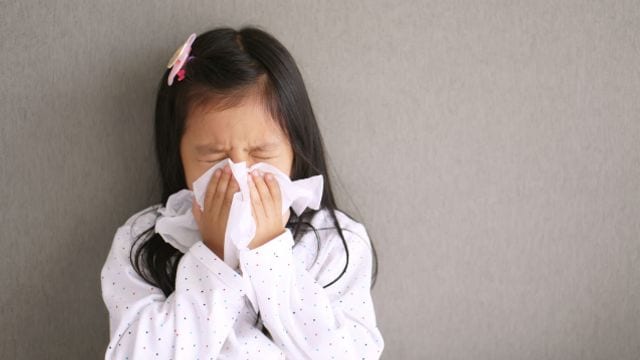
Is your child currently suffering from coughs and colds?
You are not alone. We posted this question on our Smart Parenting Facebook page, and as of writing, the post has 750+ comments and 200+ shares. Plus, one more thing to note: this author’s preschooler is also down with it.
Dr. Cristal Laquindanum-Tan, a board-certified pediatrician, child advocate, and health educator, also known as the millennialpedia on Instagram, posted a few tips on her page on how parents can better protect their families from respiratory illnesses.
She says, “Respiratory infections, aside from COVID-19, are back with a vengeance. Pare-pareho lang ang kwento: pumasok sa school may mga classmate na may sakit, nag-absent na, gumaling, another family member getting sick then balik sa bata yung sakit.”
Dr. Laquindanum-Tan further admits that the -ber months are the busiest time for pediatricians and encourages parents to protect their kids from the flu and other respiratory illnesses by:
1. Hand hygiene: Teach them the importance of handwashing early on.
Experts suggest that children can be taught to wash their hands by the age of 2. Ensure that you demonstrate the correct steps, including wetting hands with water, applying enough soap to cover hands, scrubbing all hand surfaces, and rinsing thoroughly with water. Additionally, parents can teach their kids how to use alcohol or hand sanitizers when handwashing is not possible.
2. Immunize: Vaccinations are our shield against illnesses. Don’t forget the annual flu vaccine!
Dr. Laquindanum-Tan elaborates on this in her post, where she also addresses common vaccine-related questions from parents:
Pwede na po bang bigyan ng flu vaccine kapag wala pa 1 year from last flu vaccination?
Flu vaccine is given annually and it is best to give it as soon as it is available for you to get the protection for the rest of the year. There is no risk if you’ll get it less than a year from the last flu vaccine.
Pwede ba pagsabayin ang flu vaccine at ang ibang vaccine?
Yes. Pwedeng ibigay ang flu [vaccine] kasabay o magkasunod sa ibang bakuna pa. Kung ibibigay ang 2 bakuna na sabay, mas maganda sa 2 magkaibang parte ng katawan (left and right thigh for example).
Can I have my baby vaccinated with [the] flu [vaccine]?
Yes! Flu vaccine can be given to children as young as 6 months old. If first time magpabakuna ng less than 9 years old na bata, kailangan 2 na flu vaccine ang ibibigay at least 4 weeks apart. Then next year pwedeng 1 dose every year na.
Bakit nga ba kailangan ang flu vaccine? Hindi ba pwede na i-fight nalang ng antibodies nila ang [sakit]?
Agree, pwede naman i-fight ng antibodies natin ang flu. So does COVID-19. Pareho silang virus. Pero just like COVID-19, it’s not JUST a virus. For most, symptoms are manageable and will resolve in a few days. However, pwede pa din magka-complications (same with COVID-19) like pneumonia, inflammation of the heart, blood infection, etc.
And for those with asthma and other comorbidities, those that are very young (less than 5 years old) and older (65 and up) are more at risk for these complications.
What if I have [an] egg allergy? Can I get the [flu] vaccine?
Yup! Context: Most flu vaccines are prepared by multiplying the virus in an embryonated egg so it will contain some egg protein.
Pero [based] sa mga research at mga recommendations,OK lang bigyan ang taong may egg allergy ng flu vaccine. Of course, it has to be given by a licensed health care provider in a health care setting.
OTHER ARTICLES ON THE FLU VACCINE:
- The Safest Ways Your Kids Can Get The Flu Vaccine, According To A Doctor
- Flu Vaccine Is Critical for Kids Under Age 5 and Pregnant Women
- Huwag Balewalain Ang Trangkaso! Mahalaga ang Flu Vaccine Sa Mga Bata at Buntis
3. Nutrient-rich diet: Fuel their growing bodies with wholesome food.
In addition to adequate rest and fluids, experts recommend giving children diluted fruit juices, fruit, and their favorite foods to ensure they’re well-nourished and can fight infections. If they fall ill, opt for simple starches such as rice and noodles, which are gentler on the stomach compared to rich, fried, and greasy foods.
4. Adequate sleep: Rest is vital for a strong immune system.
Studies have shown a bidirectional relationship between sleep and the immune system, and that sleep contributes to both innate and adaptive immunity. This means that consistent sleep strengthens the immune system and sleep deprivation can make you susceptible to illness.
5. Fresh air: Outdoor playtime supports healthy lungs.
The American Lung Association reports that children who grow up in areas with clean air experience greater lung function growth, which benefits them throughout their lives.
Given recent cases of vog or smog, it’s important to monitor your area’s air quality or check the news before allowing your kids to play outdoors.
6. Hydration: Keep them well-hydrated to stay resilient.
Proper hydration supports communication and biochemical pathways in the immune system. Since our immune system relies on the bloodstream to transport essential nutrients and communication signals, hydration plays a key role.
7. Mask up: In crowded or sick environments, masks can be superheroes.
Health experts acknowledge that COVID-19 health protocols, including mask usage and social distancing, have contributed to the decline in respiratory illnesses during the pandemic. Masks work, so use them in high-risk areas or if you don’t feel too well.
8. Regular check-ups: Visit your pediatrician for preventive care.
Remember to keep up with your child’s scheduled wellness checks with your pediatrician to ensure they’re meeting their developmental milestones and staying up to date with vaccinations. Always seek a checkup when your child is unwell.
What other parents are reading
Other items you can consider
If you want to take proactive steps in preventing respiratory illnesses or alleviating your family’s condition if they do fall ill, you can consider the following mom-recommended and approved items:
Air purifiers:
Air purifiers clean the air of bacteria, pollutants, and viruses, usually using replaceable filters. They are ideal for families with dust, pollen, or pet dander allergies.

Humidifiers:
Humidifiers are suitable for dry environments, such as air-conditioned rooms or cold climates, as they add moisture to the air, reducing the chances of irritation or allergic reactions.

Portable nebulizers:
Most healthcare professionals recommend nebulizations to alleviate certain respiratory illnesses. A nebulizer changes liquid to mist so that the patient can then inhale the medication into their lungs. It typically comes in tabletop or home models that make use of an electrical plug and tubes – but these are also usually noisy, which can sometimes scare little kids. Portable nebulizers are quieter alternatives.

*Note: Always consult your doctor or qualified healthcare provider regarding your or your family’s medical condition.
Products recommended on our websites are independently selected by editors. If you buy something through our links, Summit may earn an affiliate commission at no extra cost to you.
What other parents are reading

Lorem ipsum dolor sit amet, consectetur adipisicing elit, sed do eiusmod
Lorem ipsum dolor sit amet, consectetur adipisicing elit, sed do eiusmod
